

No products in the cart.
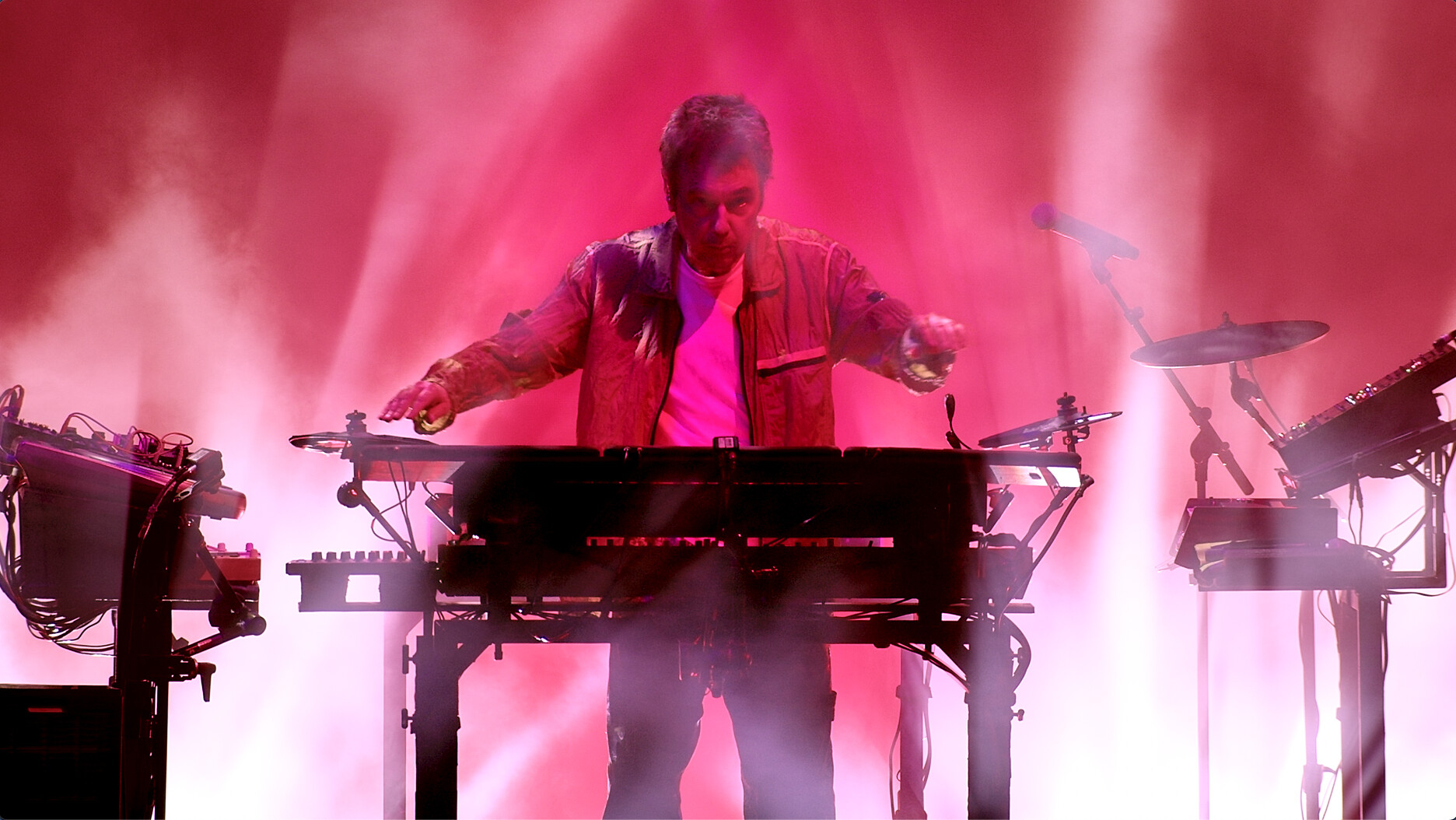
For its 30th anniversary, the Amsterdam Dance Event is thinking big. The Dutch gathering, which has grown into one of the global centres of gravity for electronic music, has chosen Jean-Michel Jarre as guest of honour for its 2026 edition. On the agenda: an Opening Concert at AFAS Live on October 21, an ADE Pro keynote, and a symbolic meeting point between two histories that have helped shape the electronic music imagination.
Some anniversaries feel like retrospectives. Others are a way of asserting continuity. To mark its 30th anniversary, Amsterdam Dance Event has not simply booked a major headline name or a current trendsetter, but one of the artists who most fully embodies the idea of futurism in electronic music: Jean-Michel Jarre. ADE has announced that the French pioneer will be the guest of honour for its 2026 edition, which will take place from October 21 to 25 in Amsterdam.
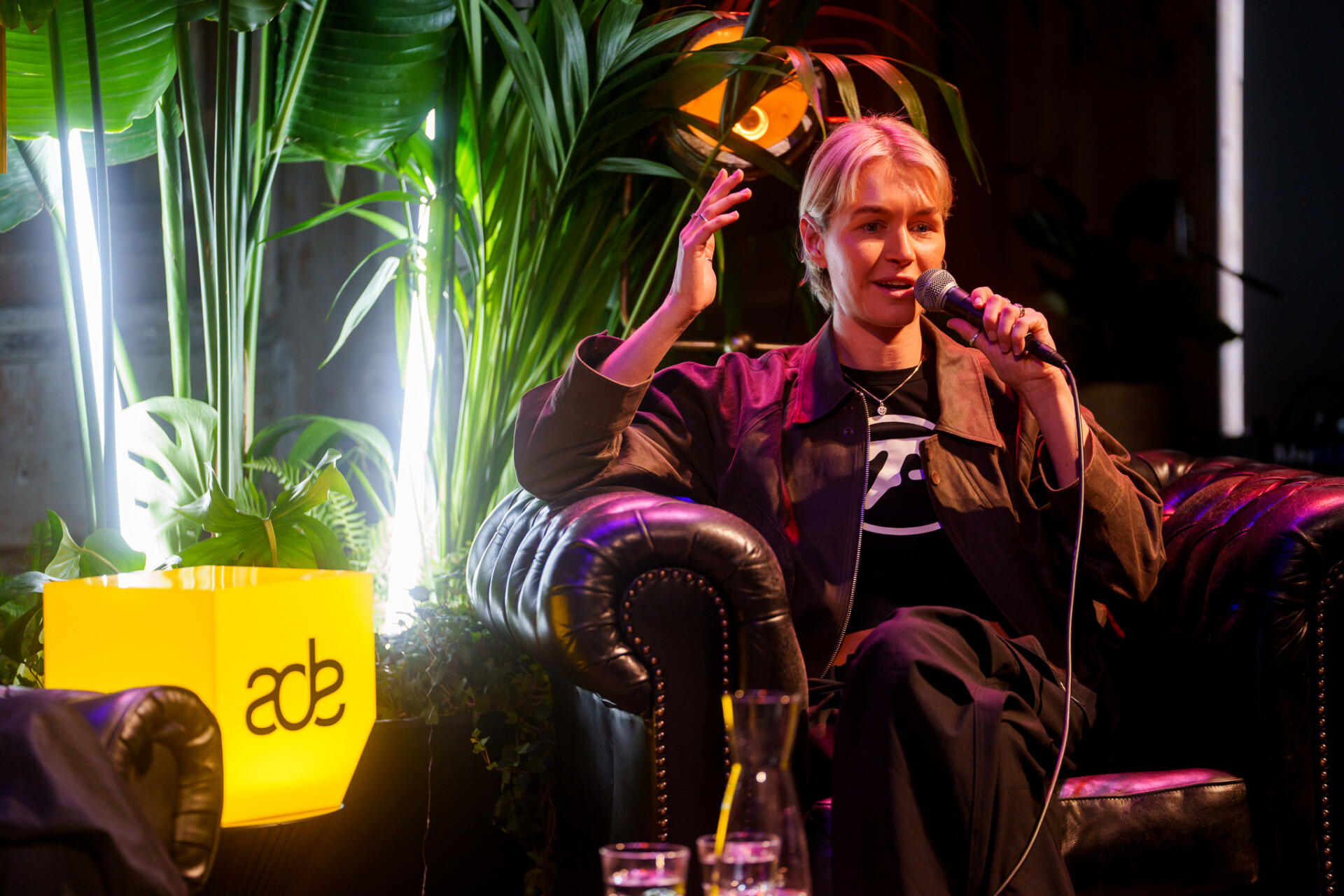
The choice is far from incidental. Since its launch in 1996, ADE has become much more than a festival: it is a crossroads where club culture, industry, innovation, reflection, and live performance meet. It is, by far, our favorite conference of the year. By inviting Jean-Michel Jarre to open this anniversary edition, the event creates a kind of bridge between different eras of electronic music. On one side is a festival celebrating three decades of global influence. On the other is an artist who, in 2026, is also marking the 50th anniversary of Oxygène, a landmark work whose influence extends far beyond electronic music in the narrow sense.
The centrepiece of Jarre’s involvement will be an Opening Concert at AFAS Live, scheduled for October 21, 2026. Presented by MOJO and Insomniac, the show will mark his return to the Netherlands with what ADE describes as an immersive live performance, designed in the spirit of the large-scale audiovisual spectacles that have defined his career. The idea is clear: this is not being framed as a heritage gesture, but as a fully contemporary performance that speaks to ADE’s present while drawing on Jarre’s long-standing visual and sonic language.
In Jarre’s own words, the invitation belongs to a broader vision of electronic music as something with “a history, a legacy and a future.” It may sound like an obvious statement, but it neatly captures what this programming choice is trying to say. ADE is not simply celebrating its past; it is trying to connect its origins to what electronic music has become today: a vast, fragmented, global culture capable of encompassing clubs, conferences, sonic experimentation, and technological and economic debate all at once.
Beyond the concert, Jarre will also take part in ADE Pro for an exclusive keynote interview, with additional appearances still to be announced. Again, the symbolism works. Few artists connect studio experimentation, technological curiosity, monumental staging, and future-facing thinking as naturally as he does. His career, from early electronic exploration to city-scale performances, resonates strongly with what ADE itself has become over time: a place where electronic music is not only danced to, but also discussed as culture, business, and a constantly evolving artistic language.
The announcement also offers a reminder of how far ADE has come. Over the last thirty years, the event has grown into one of the most important international meeting points for electronic music. For 2026, ADE is already presenting an edition expected to span more than 1,200 events across more than 300 venues in Amsterdam, with access to its conference and professional programming through the ADE Pro Pass. That scale says a great deal about ADE’s place today: not merely as a club festival, but as a cultural infrastructure for an entire ecosystem.
What makes this announcement interesting, ultimately, is that it avoids the trap of the purely nostalgic anniversary. By choosing Jean-Michel Jarre, ADE is not just inviting a legend; it is acknowledging that electronic music has a long memory, built on experimentation, technological shifts, and artistic visions that opened doors for generations after them. At a time when electronic culture is often framed through immediacy, trends, or market data, that feels like a meaningful gesture: putting lineage back at the centre without turning it into a museum piece.
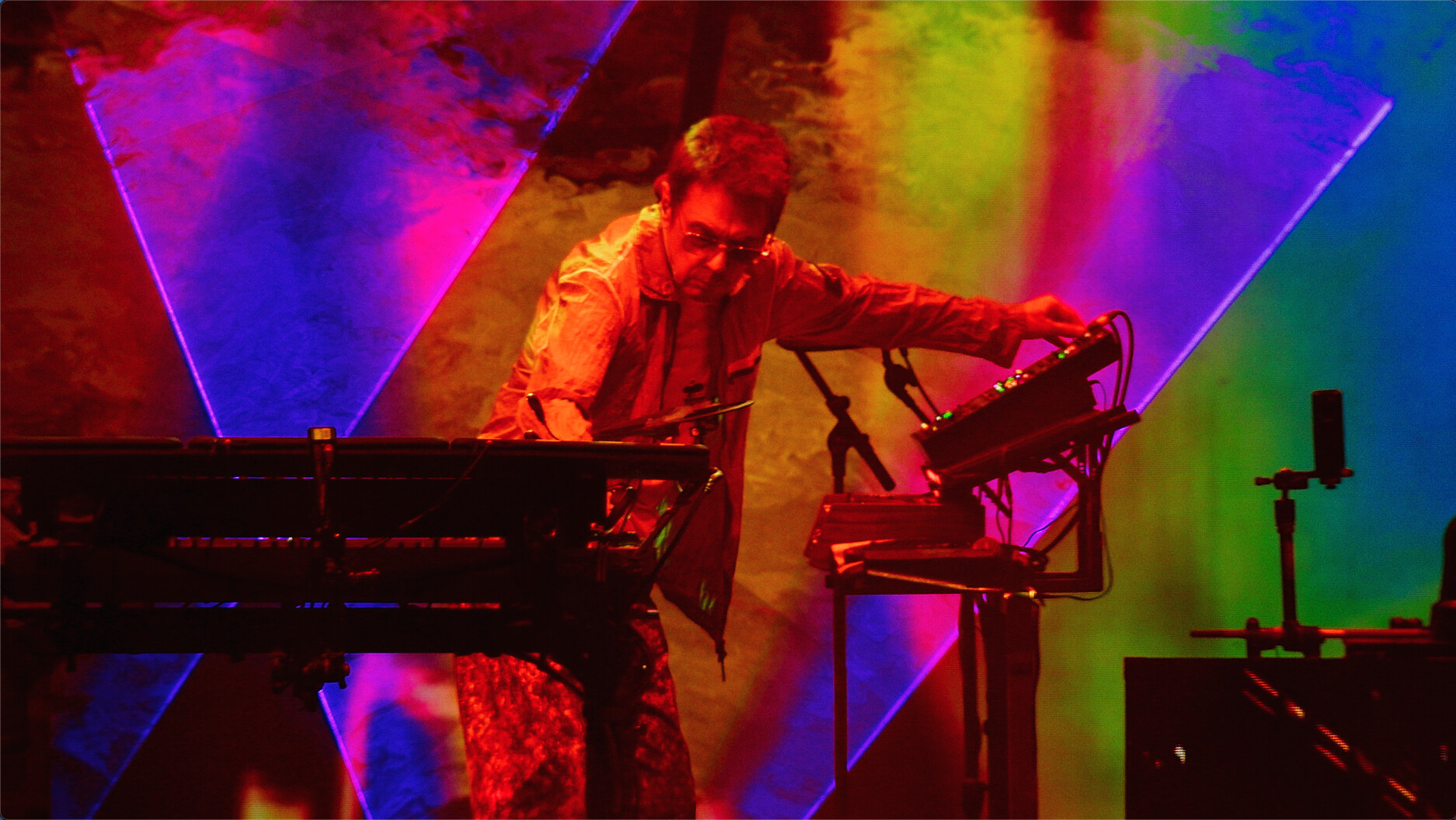
ADE has said that more initiatives and special events celebrating its 30 years will be revealed in the coming months. For now, the announcement of Jean-Michel Jarre already sets the tone for the 2026 edition: an anniversary conceived not as a pause for reflection alone, but as a way of connecting electronic music’s foundations to its possible futures.