

No products in the cart.
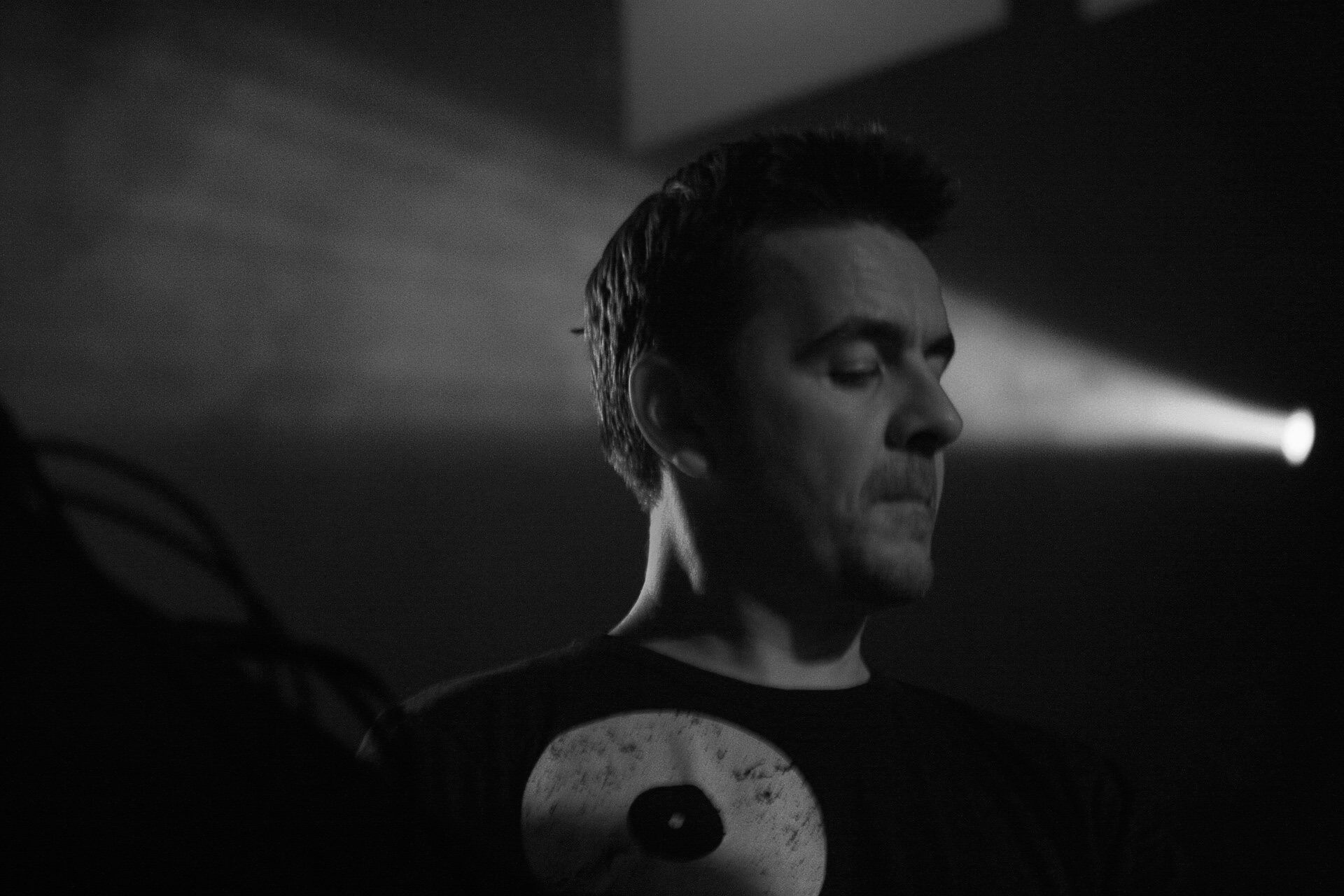
In electronic music, we like to believe the dancefloor is a safe space, where no one is watching, where labels are left at the door, where we surrender to sound. That isn’t completely false, and that’s why we keep coming back. But behind the decks, as on the posters, an old hierarchy still shapes the scene: the hierarchy of visibility. Who gets framed, who gets believed, who gets celebrated. And above all: who is allowed to age while remaining desirable and legitimate?
Aging is an issue for everyone, but aging as a woman DJ is more complicated. And that still tells us something about how we see the music industry today, and what is considered bankable.
Longevity can be an immense form of capital: you managed to last in an industry that keeps getting more competitive, decade after decade. We celebrate Jeff Mills, Laurent Garnier, Sven Väth… they’re pioneers, maestros. But when we think of women pioneers over 50, where are they? Ellen Allien, DJ Paulette, Kelli Hand—suddenly it becomes “niche.” It’s not a matter of talent of followers, it’s about storytelling.
For men, age more easily turns into prestige: aura, expertise, legend. For women, it more often turns into a constraint, you have to stay visible, keep proving you still belong. To understand this gap, a concept from cinema oddly helps: the male gaze.
The male gaze: not only in cinema
In everyday usage, “male gaze” refers to a form of objectification that puts women on display, eroticizes them, and reduces them to an “ornamental” function. But in reality, the concept now circulates across many different worlds, even if I’m simplifying it here. The goal isn’t to copy-paste a complex sociological concept to defend a point, but to highlight a recurring mechanism when we talk about women who are exposed in any way.
If older women are less recognized, less visible, less celebrated, it’s also because they’re judged as less desirable, less credible, less legitimate. Image has become so central to DJing today that being a virtuoso of electronic music is no longer enough. You have to stay sexy and young, or you’ll be seen as “letting yourself go.” But not too sexy, otherwise you’re just incompetent, booked because you’re pretty.

It’s not that these women disappeared, or that they’re less talented—it’s that we talk about them less or one a different way, for equal careers. Even the language isn’t the same. “We don’t really have a concept of what an ageing woman genius is… women don’t get to be legends,” The Blessed Madonna reminds us, rightly, in DJ Mag.
So if we bring the male gaze into electronic music, it isn’t to slap on a buzzword, it’s to treat it for what it fundamentally describes: a regime of visibility.
The gaze
It’s no longer only about the camera. It’s promo photos, aftermovies, set recordings, reels, press portraits. The gaze of the crowd in the room, but also the online audience. And today, that gaze is measured in views, likes, comments, shares. Reception becomes permanent—and the aesthetic pressure linked to age (or not) becomes permanent too.
Bookers, promoters, agents, media, labels, those who build the narrative are also responsible for the lack of parity in this industry, for the ageism in this industry…
The gaze has become economic. The male gaze in club culture isn’t simply “men looking at women.” It’s men with power deciding which women will be looked at, and for how long. A whole set of decisions, images, and stories that make some careers exist more than others. And of course women today depend on it, despite themselves.
Legends who aren’t in the history
Those who have the power to name, to designate, are the ones who manufacture posterity. DJ Mag points to a mechanism more insidious than harassment or the criticism women can face. As women DJs and producers age—or step back—they are more often erased from the stories, while men more easily remain “in the legend.” (It’s a global phenomenon: women scientists, women artists…)
Less storytelling about women ⇒ fewer visible role models,
fewer role models ⇒ less “obviousness” when it’s time to book,
less booking ⇒ fewer archives,
fewer archives ⇒ fewer “legends.”
In other words, it’s not only a question of talent. It’s a question of cultural infrastructure.
We’re often told there’s a supposed “advantage”: women are fewer on the scene, therefore it’s easier for them to make space, easier to establish themselves in a particular style, as if rarity equaled privilege.
If women are less present on lineups, it isn’t because they’re “rare by nature,” but because historically they’ve been given less space. Being fewer doesn’t mean being favored, it means being selected, tolerated, sometimes instrumentalized. Tokenism replaces diversity: one woman is enough to tick a box, to reassure, to project a progressive façade, without challenging power balances. In 2026, it’s not that there are “not enough women” to book differently, there are enough DJs, producers, selectors of all ages. Saying women are privileged because they are fewer flips the problem upside down. In other words, it’s not minority status that creates advantage, it’s real access to opportunities. And that access remains deeply unequal today, especially if we consider an intersectional perspective: gender, ethnicity, age, social class. But of course, this opinion is up for debate. If you’re a booker, a DJ, or a producer, share your take with us even you think we’re wrong, it matters.
We are all part of the system, and therefore part of the solution. It’s a chain of choices: what we film, what we like, what we comment on, what we share. The artists we quote, invite, celebrate. The stories we tell—and those we let die for lack of relay. If age becomes prestige for men and erasure for women, then we have to give women back the place they deserve in the long history of electronic music. And above all, we can’t forget the generations to come.
Credit photo cover : Astropolis 2009