

No products in the cart.
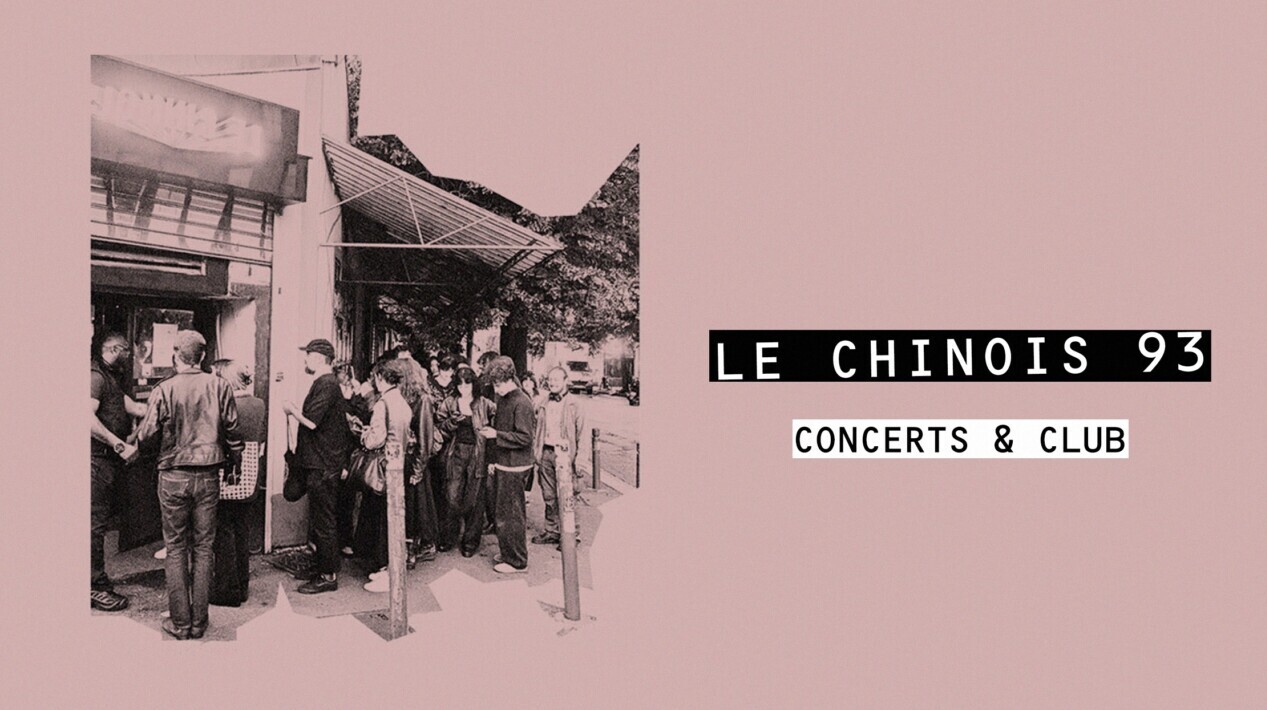
Le Chinois has a new address in Montreuil. What has not changed is its stated commitment to openly addressing the issues that shape nightlife culture.
Recently, that commitment was tested. Within a few days, two cases of drink spiking were reported inside the venue. In both situations, the victims were able to quickly alert friends and the on-site team.
Since opening in Montreuil last September, these are the first reported incidents of this kind at the club. But one incident is enough to highlight a wider reality: nightlife spaces are not immune to violence.
What is chemical submission?
Drink spiking — referred to in France as soumission chimique — involves administering a psychoactive substance to someone without their knowledge, with the intention of altering their awareness or reducing their ability to consent. Substances can range from diverted medications to synthetic drugs or heavily dosed alcohol.
Under French law, administering a harmful substance without a person’s knowledge is a criminal offense. When followed by sexual assault or rape, the act constitutes a serious crime punishable by up to 15 or 20 years of imprisonment depending on the circumstances. Attempted offenses are also punishable.
This is not a minor incident or a party “mistake.” It is a criminal act.
Can nightlife venues guarantee total safety?
A club is, by nature, a dense social environment shaped by movement, alcohol, and large crowds. Absolute risk elimination does not exist in such spaces. Claiming otherwise would be unrealistic.
That does not mean inaction.
Following the reports, Le Chinois Montreuil has reinforced several measures:
– free protective drink-sealing film available at the bar
– new on-site signage and awareness messages across social media
– continued staff training and internal review of intervention protocols
The team also reiterates essential precautions: never leave your drink unattended, look out for your friends, and immediately alert staff if you feel unwell or notice suspicious behavior.
Prevention as a collective responsibility
Addressing drink spiking cannot fall solely on venues. It requires shared responsibility across the nightlife ecosystem — promoters, artists, crews, and audiences alike.
Electronic music culture has long positioned itself as a space of freedom and emancipation. Yet it is also shaped by structural power dynamics and gender-based violence. In recent years, collectives such as MetooDJs have played a crucial role in exposing abuses within the industry and shifting the conversation toward accountability.
Their work reframed the issue: the question is no longer whether the problem exists, but how spaces respond to it.
Le Chinois Montreuil states its intention to remain in dialogue and adapt its practices accordingly. Suggestions and feedback can be sent to: bonjour.lechinois93@gmail.com or discussed directly with the team on site.