

No products in the cart.
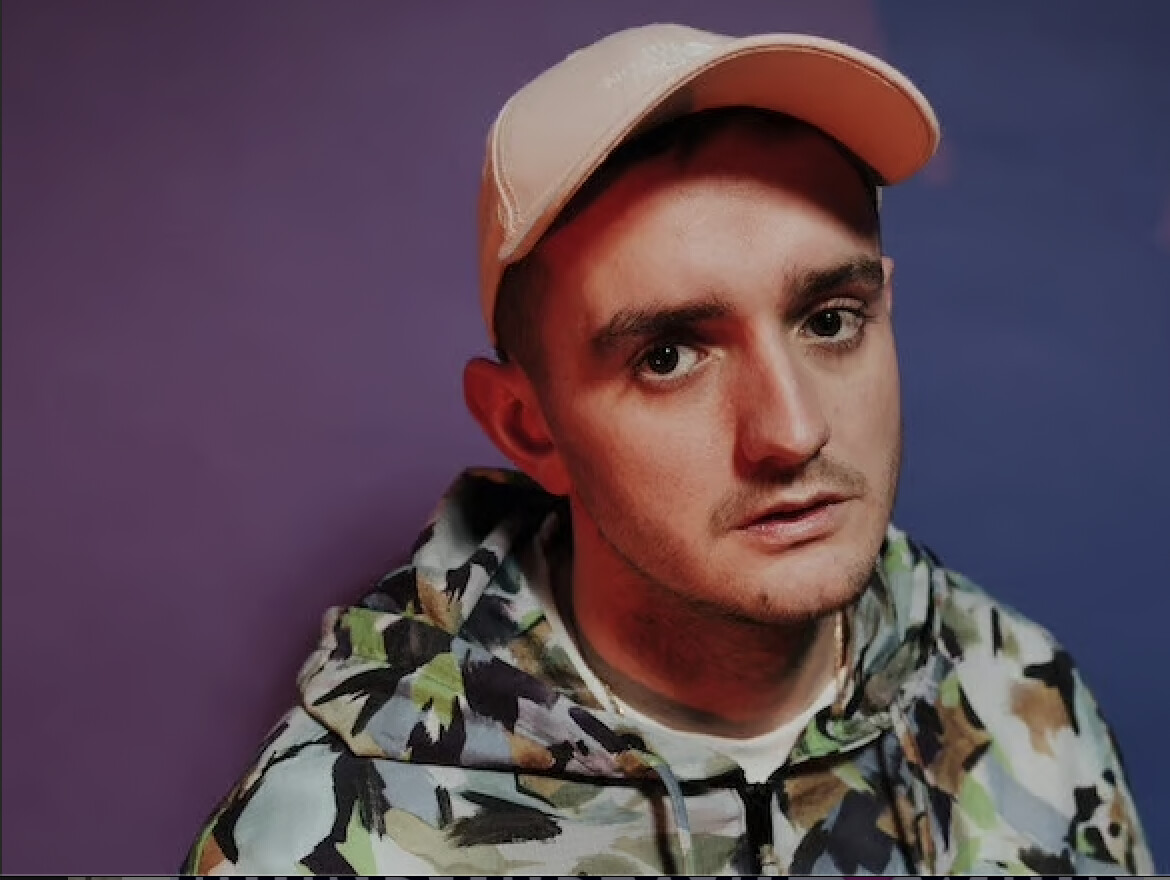
Ben Hemsley accuses Hugel and Matt Sassari of lifting his edit of It Feels So Good
It all started with an Instagram post—no press release, no lawyer, no apparent strategy. Just a side-by-side audio comparison. On one side, a tech-house edit of It Feels So Good that Ben Hemsley uploaded to SoundCloud in 2017, when he was 19. On the other, the official version released in 2024 by Hugel and Matt Sassari, credited as an original track, now tallying over 160 million streams on Spotify.
“Matt was playing my edit years ago. There are tracklists, videos. There’s no excuse to say he never heard it,” Hemsley writes. At the time, he did nothing. The track wasn’t officially licensed. He was just starting out. He was even flattered to hear it in bigger sets than his own.
What he’s challenging now isn’t just the similarity. It’s the erasure. The idea copied identically, repackaged as an original creation—with no mention, no credit, no discussion. “These guys just took the full idea of my remix and labelled it as an original,” he writes. “Embarrassing. But behold, the world of dance music.”
Beneath the post, reactions quickly went beyond moral support. Several producers shared similar stories. Franck.sco mentioned an incident with DJ Hell, who allegedly sampled and practically remixed his track without permission or contact. Manpowermusic recalled a bootleg pressed illegally nearly twenty years ago, sold without credit—he even had to buy a copy himself to own it. Back then, Patrice Bäumel reportedly told him, “suing over an edit is like calling the cops because someone stole your drugs.”
These stories keep popping up in the comments, almost like an internalized norm. Many describe a system where the more established can help themselves, while younger artists lack both legal resources and symbolic capital to fight back. “It’s always the bigger or older ones who exploit,” one producer wrote. Another summed it up: “This industry is full of people stealing from each other.”
Others defended Hugel and Sassari, or downplayed the issue. “Imitation is the sincerest form of flattery.” “If someone copies you, you’ve won.” A familiar line of defense—one that dodges the questions of credit, power, and economic context. Because this isn’t just about art. It’s about structure. Between a non-monetized edit, kept in the underground, and a licensed track pushed by platforms, the difference isn’t just aesthetic. It’s financial, symbolic, and narrative.
Hemsley clarified that he doesn’t intend to take legal action, despite the numbers. He insists: it’s not about the money. It’s about the truth. “In this industry, all I care about is you guys. I just want you to know how full of shit people can be.”
Hugel and Matt Sassari’s silence so far has allowed the conversation to shift elsewhere—towards a bigger question than just this one track: At what point does inspiration become appropriation? And more importantly, why does this type of situation feel so familiar to so many producers?
At a time when the scene presents itself as meritocratic (lol), creative and open, this story reminds us of a less flattering reality. Behind the talk of originality and hard work, power dynamics are still very real. And in that game, those without public weight are often the first to be erased.
Tagged with :