No products in the cart.
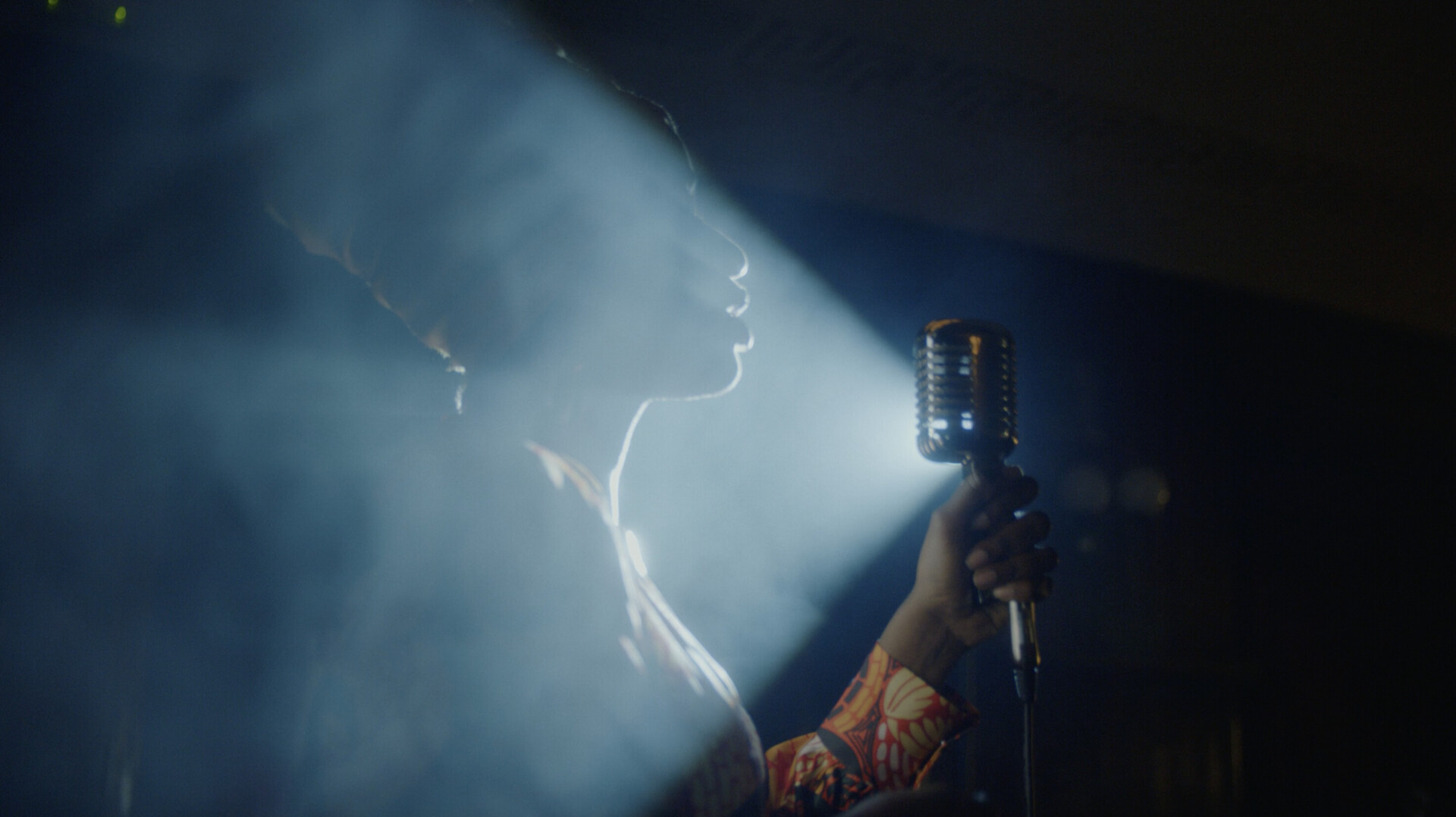
House music was never just about drum machines. It was born in Black and queer clubs, fed by gospel, soul, disco. The voices made the anthems. Yet again and again, those voices were erased, stolen, or replaced by models lip-syncing on TV. Thirty years of dance culture tell the same story: glory and silence.
Martha Wash, the invisible icon
Martha Wash, half of The Weather Girls, became the most famous victim of this erasure. In the late 80s, she recorded demos for Italian group Black Box. They kept her vocals on six tracks of the album Dreamland (1990), including “Everybody Everybody,” but gave her no credit. On stage and in videos, a model, Katrin Quinol, lip-synced her parts (Wikipedia). Wash sued, won a settlement, and forced credit on reissues.
It happened again with C+C Music Factory: “Gonna Make You Sweat (Everybody Dance Now)” (1990) was carried by Wash’s vocals, but in the video Zelma Davis mimed. After lawsuits, Sony was forced to add disclaimers on MTV videos acknowledging Wash as the singer (Stereogum).
Loleatta Holloway and the stolen scream
1989: Italian producers release “Ride On Time.” A number one hit in the UK. The vocal wasn’t theirs: it was lifted without permission from Loleatta Holloway’s 1980 “Love Sensation.” After legal action, the track was reissued with Heather Small’s voice.
Jocelyn Brown and the line that moved the world
Snap!’s 1990 smash “The Power” was built around the line “I’ve got the power!” Directly sampled from Jocelyn Brown’s 1985 “Love’s Gonna Get You.” No credit at first. After legal fights, her rights were recognized (Discogs).
Survivors: Robin S., Crystal Waters, Ultra Naté
Some did manage to survive the erasure. Robin S. with “Show Me Love” (1990/92), remixed by StoneBridge, which became the defining house anthem (DJ Mag). Crystal Waters with “Gypsy Woman” (1991), whose hypnotic “la da dee, la da da” turned into a global mantra (Billboard). Ultra Naté with “Free” (1997), which became a queer freedom hymn (NME). Their names held on, but not without struggle.
Rowetta, a present wound
The debate isn’t only about the 90s. Recently, Rowetta, Manchester singer and member of Happy Mondays, claimed it was her voice on the cult mashup “Show Me Love” (Steve Angello & Laidback Luke’s Be fused with the vocal line). Yet the 2009 official release credits Robin S. only (Discogs).
On Instagram, Laidback Luke replied: “I’ve always wanted people to know it was you Rowetta, spread the word!”
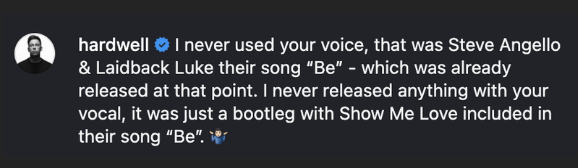
 But Hardwell, often linked to the track for playing it live, countered: “I never used your voice… it was just a bootleg with Show Me Love included in ‘Be’.”
The contradiction says it all. In club culture, bootlegs travel, DJs claim them, official releases simplify credits. Voices get lost in the blur.
Legacy
From Wash to Rowetta, the pattern is clear. Black women’s voices shaped house music, yet too often they had to fight to be named. These aren’t just anecdotes; they expose a power imbalance where producers dominate the spotlight and vocalists remain in the shadows.
Without them, there is no house. No anthems. No shared memory. Only beats left voiceless.