

No products in the cart.
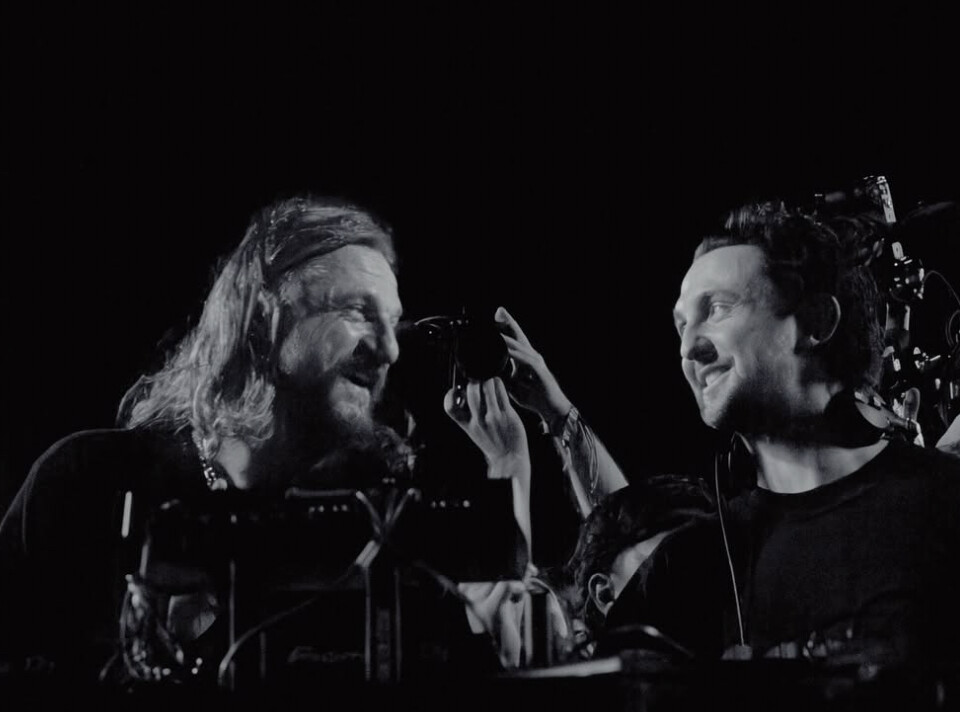
Fatal shooting at Tehmplo Tulum during Solomun’s set
Violence catches up with the gentrification of the international club scene
A man was shot dead during the night of January 8, 2026, at an electronic music event held at Tehmplo Tulum, in Mexico. According to several local media outlets and eyewitness accounts from attendees on site, the shooting occurred during a party headlined by Solomun.
Authorities have not yet released a detailed report regarding potential injuries. On social media, many festivalgoers described scenes of panic, crowd movements, and widespread confusion inside the venue, located in the Tulum jungle near the coastal road.
Some testimonies describe a particularly disturbing situation: the music reportedly continued playing for several minutes, while attendees attempted to flee or take cover, before armed forces intervened.
The incident occurred just one day after municipal authorities publicly celebrated two months without a homicide in the region. According to local press, the initial silence from public officials sparked significant controversy, with some accusing them of seeking to protect Tulum’s tourist image during the peak winter season.
It was only after testimonies circulated widely on social media that authorities confirmed one fatality. The investigation is ongoing.
In comments shared by local residents and longtime members of the community, shock quickly gives way to a form of bitter resignation. Many claim that such a shooting is no longer exceptional in present-day Tulum, pointing to the visible presence of drug trafficking even inside the bathrooms of clubs and party venues. Some openly describe a territory where cartels have surpassed public authority, while others denounce the hypocrisy of a tourism model that tolerates large-scale drug circulation as long as the postcard image remains intact. While these statements reflect perceptions rather than judicially established facts, they nonetheless convey a clear local sentiment: for part of the population, violence is no longer an accident, but the symptom of a system that has made partying a central economic engine, at the cost of a gradual erosion of oversight and social cohesion.
Tehmplo Tulum as a symbol of globalized electronic tourism
In recent years, Tehmplo has established itself as one of the flagship venues of Tulum’s electronic season. Like other sites in the region, it attracts a predominantly international audience, particularly European, drawn to an experience blending jungle, luxury, surface-level spirituality, and afro house & melodic techno.
This rapid transformation of Tulum into a global clubbing destination is part of a broader phenomenon of tourism-driven gentrification, which has profoundly reshaped the local economy. Exploding prices, privatization of natural spaces, and the multiplication of high-end event venues are dynamics that largely benefit external actors while deepening social divides.
We will refrain from commenting on the COVID period, when European DJs and ravers fled to Tulum to keep partying…
Gentrification, party economy, and structural violence
Without drawing a direct link between a specific event and criminal networks, numerous journalistic investigations and local analyses point out that areas of intense party tourism become zones of high cash flow, where nightlife, drugs, private security, and criminal interests coexist.
In these contexts, violence is not always visible. It often remains on the margins, as long as it does not disrupt the narrative of a festive paradise. The shooting at Tehmplo brutally reminds us of how fragile these balances are.
The recent history of electronic festivals in Mexico has already been marked by violent incidents, highlighting the need for a reflection that goes beyond a single news item. In 2017, during the BPM Festival in Puerto Morelos (near Cancún), several shootings broke out outside official festival sites, leaving multiple people injured and generating significant international media coverage. Although these attacks did not take place inside clubs or on music stages themselves, they exposed the risks linked to local criminality, peripheral party zones, and security mechanisms surrounding major events. These incidents already sparked deep debates about tourist safety, the organization of festive spaces in Mexico, and the sometimes blurred links between tourist zones and criminal networks. This serves as a reminder that the tragedy at Tehmplo does not emerge in a social vacuum, but rather fits into longstanding tensions between international partying and local realities.
The discomfort of a colonial gaze on clubbing
An increasing number of voices, including within European electronic scenes, are denouncing a neo-colonial relationship to party tourism. Tulum becomes an exotic backdrop, consumed without genuine consideration for local social realities. The jungle is reduced to an Instagram set, local communities to invisible labor, while the party unfolds inside secured enclaves.
When violence erupts, the emotional response is intense but often short-lived. The industry, meanwhile, moves on toward the next trending destination.
Another dynamic frequently criticized by local scenes compounds this issue: when major European or North American events set up in destinations like Tulum (and elsewhere), the space given to local artists is often marginal. Lineups overwhelmingly favor already-established international DJs, reproducing abroad the same hierarchies found in Western capitals. Local talent is relegated to early time slots, secondary stages, or excluded altogether, even as these events rely on local territories, infrastructure, and labor. This logic reinforces the idea of a plug-and-play electronic culture, consumed as a product rather than built through dialogue with existing scenes.
A scene confronted with its responsibilities
The shooting at Tehmplo cannot be reduced to an isolated incident. It raises fundamental questions about the responsibility of the international electronic music industry, including promoters, venues, and audiences.
At a time when the scene increasingly speaks about sustainability, care, and responsibility, these concepts can no longer stop at Europe’s borders. Audience safety, local impact, and gentrification dynamics must now be part of the conversation.
This story is still developing. Further information may emerge in the coming days.