
No products in the cart.
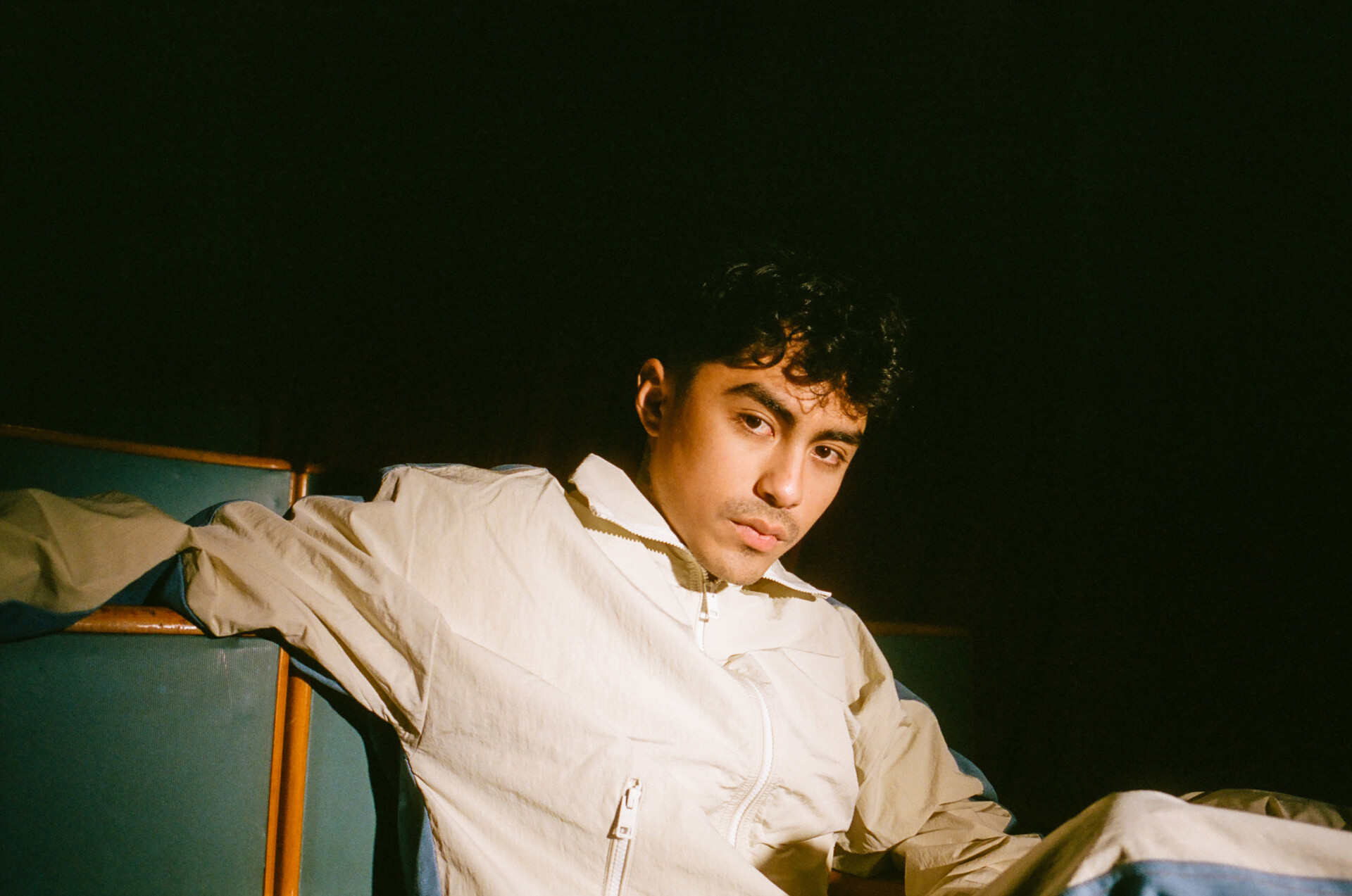
Funk Tribu, Paula Temple: choosing to slow down
Towards “slow touring” in electronic music?
In an industry that has become obsessed with speed, numbers, and constant visibility, some announcements land like welcome off-beats. In recent months, several major artists from the electronic scene have chosen to slow down—not out of a loss of love for music, but precisely in order to keep making it. It is important to note that many artists were already practicing slow touring without turning it into a marketing argument, but when it starts affecting the most bankable DJs of the moment, it changes the game.
The latest example to date: Funk Tribu.
In a long message addressed to his audience, the Colombian producer and DJ, based in Berlin for the past three years, announces a rare decision at this stage of his career: drastically reducing the number of shows he plays. In 2026, he will go from around 100 shows a year to a maximum of about sixty. A way, he writes, to “breathe,” refocus on the studio, and above all preserve his mental health.
Touring, double booking and the rest
Funk Tribu’s testimony puts words to a reality that is widely shared but still rarely discussed publicly. Playing almost every weekend has become an implicit norm in electronic music, especially for fast-rising artists. Turning down a booking, slowing the pace, saying no—decisions that are still often perceived as suspicious, or even personal, within a system that values constant availability. In our discussions with emerging artists, the fear of being forgotten comes up again and again. Saying no because you’re not ready is anxiety-inducing and raises questions.
Funk Tribu states it clearly: turning down a booking is never an affront. It is a long-term survival choice. He speaks openly about periods of mental fragility, a sense of disconnection from himself, and the difficulty of “settling into” a normal life when everything moves too fast.
Paula Temple: stopping in order to reinvent oneself
This statement echoes another striking announcement, that of Paula Temple, published last November. A key figure in techno and industrial music for more than three decades, the British DJ announced her intention to bring her touring activities to an end in the near future, and to step away from the scene as it exists today.
In her message, Paula Temple does not speak of burnout in the strict sense, but rather of an artistic and philosophical disconnect. Since Covid, she explains, hard techno seems to have drifted towards an universe of performers and influencers, far removed from what once drove her. Her need today is to slow down, create without pressure, explore other musical territories, and regain control of her time.
From slow touring to slow journalism
These announcements are not anecdotal. They may be outlining the contours of a broader movement: slow touring, still marginal, but increasingly openly embraced. A challenge to the idea that existing artistically means being everywhere, all the time.
In the media world, this reflection echoes another practice: slow journalism (hi VolteFace). Taking the time to listen to artists, to contextualize their choices, and not reduce these decisions to “PR stunts” or isolated announcements. Behind these pauses lie human trajectories, bodies, minds, and an industry that still struggles to integrate the notion of sustainability—not only environmental, but also mental and creative.
Slowing down to last
Neither Funk Tribu nor Paula Temple speak of giving up. On the contrary. Both stress the necessity of these choices in order to continue creating over the long term, with sincerity and commitment. Fewer dates, more meaning. Less noise, more music.
Slowing down is not stepping back; it is sometimes the only way to go further, to listen to your own voice and, ultimately, to stand out.