

No products in the cart.
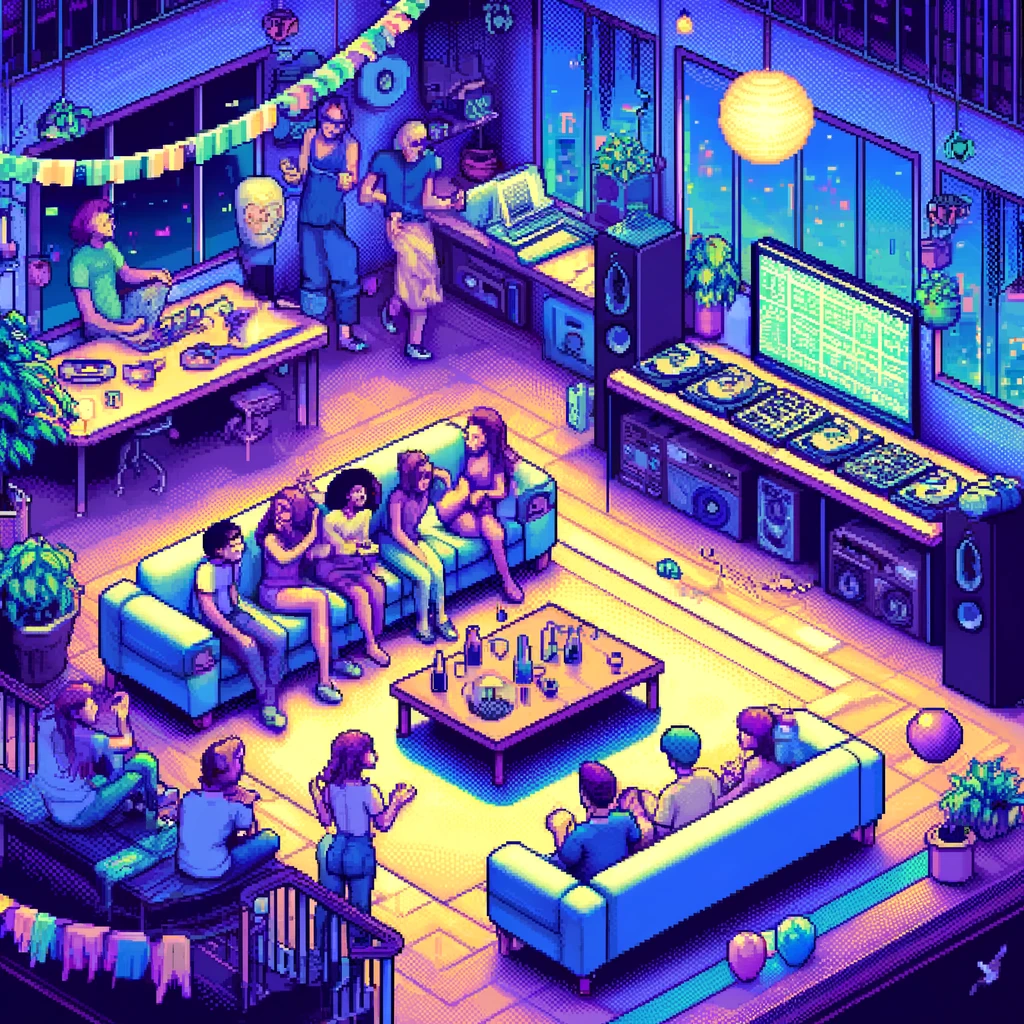
In club culture, the backstage, or greenroom, has always carried a certain mythology. For many ravers, it represents the ultimate access point, the hidden side of the party where everything supposedly happens. A place imagined as more intense, more exclusive, more exciting than the dancefloor itself.
The reality is often far less glamorous.
Yes, greenrooms can host great moments. Artists meeting for the first time, conversations about music, quiet decompression after a set, or simply a few minutes away from the noise and the crowd.
But in many clubs and festivals today, backstage areas have also become poorly defined and poorly protected spaces. Places where boundaries blur and where the idea of a “safe zone” sometimes disappears completely.
This does not mean turning nightlife into a hyper-controlled environment. But ignoring the issues that regularly occur in greenrooms is no longer an option.
A backstage is not supposed to be a second party
The most obvious problem is overcrowding. Backstages are often small, poorly ventilated rooms where people smoke excessively. Cigarettes, vapes and sometimes more fill spaces that were never designed to host dozens of people at once. For those who simply want a moment of calm or a conversation, the environment can quickly become overwhelming.
Too much traffic, not enough purpose
Another recurring issue is the constant flow of unfamiliar faces. In many venues, greenrooms turn into corridors of random traffic where artists, staff and strangers move in and out without much control. What should be a place to decompress becomes just another crowded room.
Facilities can also become a source of tension. When a backstage area has only one bathroom, it is not uncommon to see it monopolized for long periods — sometimes for drug consumption — leaving everyone else waiting.
A space that is supposed to be safe — and often is not
More worrying are the reports of theft. Bags, cameras, laptops, hard drives, personal belongings or professional equipment occasionally disappear in spaces that are supposed to be the safest part of the venue. For photographers, videographers or technical staff, the greenroom should be the one place where equipment can be left without fear.
And then there are the situations that go far beyond inconvenience.
Backstages are not immune to harassment and assault. Some incidents have drawn attention across the industry, such as the sexual assault case involving DJ Jackmaster in 2018, which sparked wider conversations about behavior and accountability in nightlife.
Other situations are less visible but equally serious. Testimonies across the music scene have mentioned cases of drink spiking, sexual assault and rape occurring in party environments. If you are a victim or witness of such situations in the electronic music scene, organizations such as MeTooDJs exist to provide support and guidance.
All of this raises a simple question: what should greenrooms actually be for?
Originally, these spaces exist for rest. They are meant to give DJs, staff and artists a place to breathe during long nights of work.
They should also function as secure areas where people can leave their belongings or professional equipment without constant worry. For photographers or media teams documenting an event, the backstage should be one of the safest places in the venue.
Greenrooms are also spaces for connection. Places where artists can meet, exchange ideas, and interact away from the pressure of the dancefloor.
And yes, they allow DJs to invite a small circle of friends or collaborators. But that comes with a simple responsibility: if you bring someone backstage, you are responsible for them.
So how do we improve these spaces without turning nightlife into a surveillance system?
The answer is not necessarily more control, but more responsibility.
Backstage wristbands already exist at most events, but they are sometimes handed out too freely. Knowing who receives access, limiting unnecessary entries, and prioritizing people directly involved in the event can already change the atmosphere dramatically.
It also helps to remember something simple: backstage is a privilege, not a right.
And despite the fantasy surrounding it, it is rarely the most glamorous place in the venue. It is often a workspace — a place where artists and teams try to find a moment of calm between intense hours.
Making room for people who do not consume
Rethinking greenrooms also means considering people who choose not to consume substances and who should not have to navigate an environment where that behavior happens openly around them.
Protecting backstage spaces is not about policing nightlife. It is about preserving an environment that supports the people who make the night happen.
Because a healthy greenroom ultimately leads to a healthier scene.