

No products in the cart.
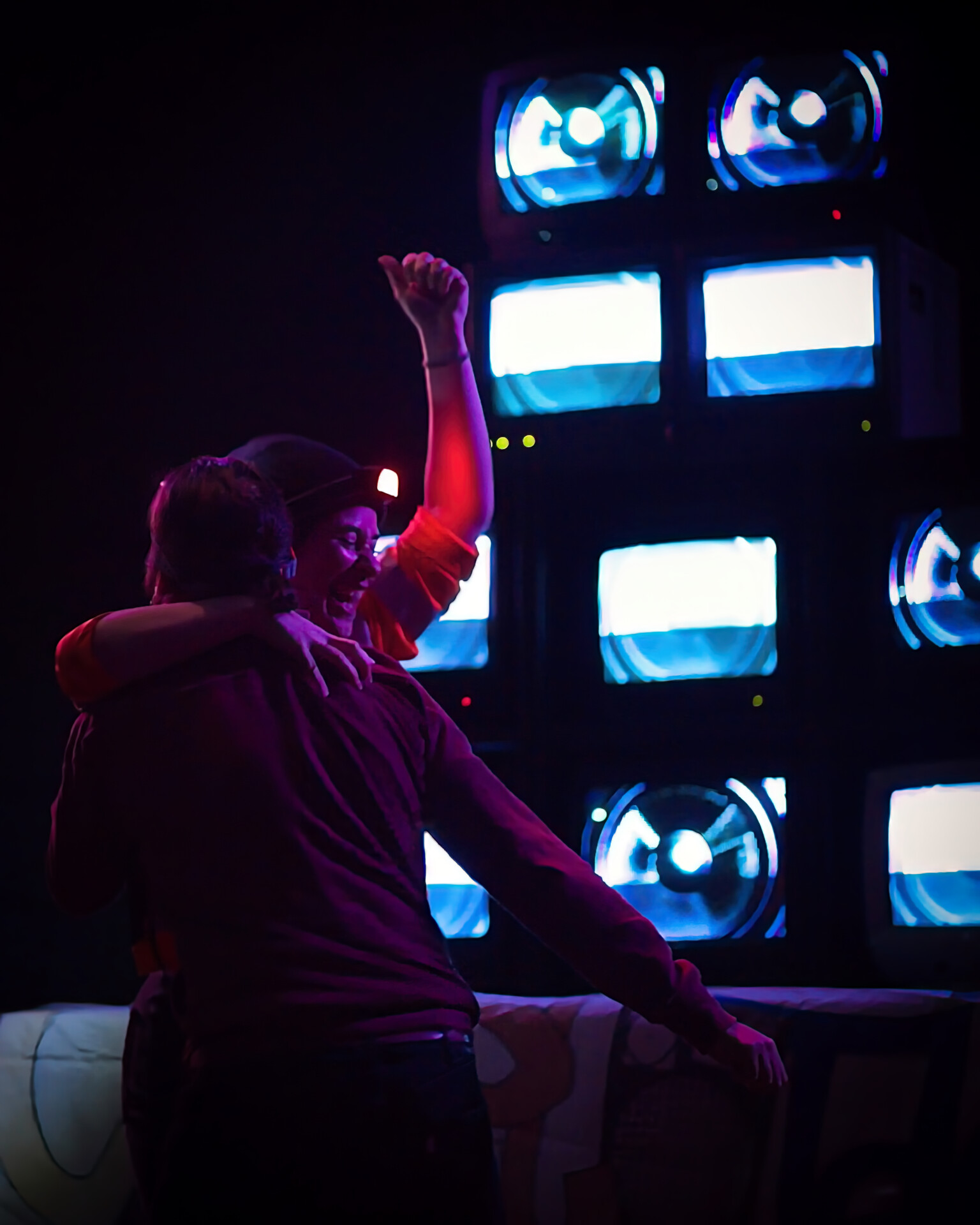
For more than forty years, free parties have written a parallel history to traditional nightlife. A history made of sound systems set up in the middle of nowhere, endless nights in impossible-to-find fields, improvised communities, and freedoms carved out beyond the commercial framework. With Tribe, director Pierre Levent attempts a rare challenge: bringing this collective memory into something living, into culture, into the theatre. It is a risky challenge, because there is a world between the rave crowd and the theatre audience. So the company chose to build a bridge between the two cultures in order to give birth to this piece.
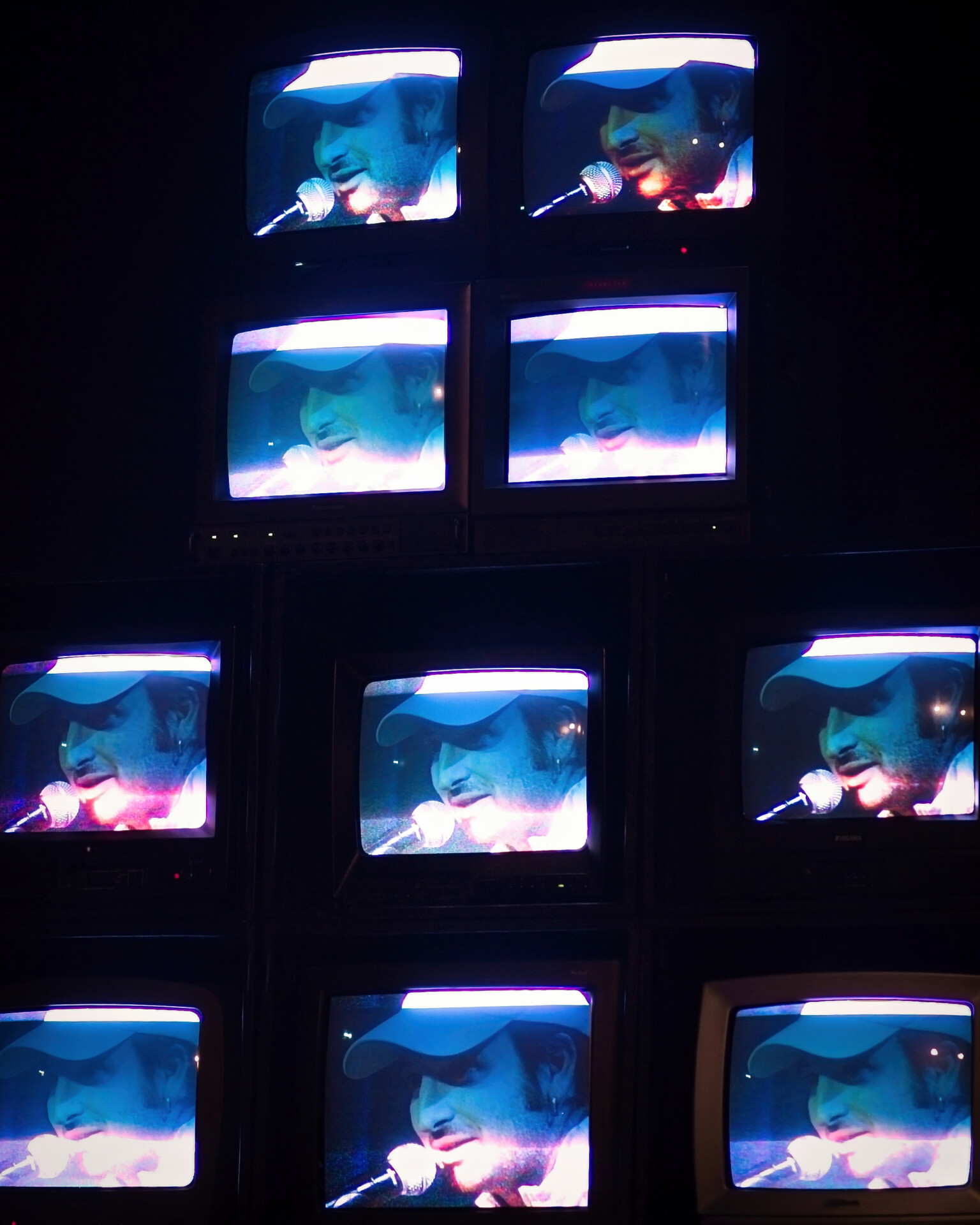
The show is built on unusual material: real testimonies from ravers collected in the book Free Party, une histoire des histoires, published in 2010 by Guillaume Kosmicki. Rather than starting from a conventional script, Pierre Levent chose documentary theatre. The words, the stories — the small stories that become part of the larger history of struggles and communities, become the raw material of the performance, embodied by actors who bring these accounts to life on stage.
The project has never stopped evolving. For nearly a year, the team explored the testimonies, before spending another year searching for the right stage form. A first version emerged in 2022, the first performances followed in 2023, and the piece is still transforming today. “You have to come and come back to see Tribe — the form is constantly evolving,” the company explained in an interview with Radio Campus Paris.
But yes, you are going to dance…
Of course, the essence of movement is not cast aside in favour of an empty aesthetic. Music is at the heart of the whole device. On stage, the performers really mix: transitions that were mechanical and rehearsed at first have now become natural. The music does not simply create atmosphere, it enters into dialogue with the texts. It carries them, extends them, transforms them. The result is an immersive experience, where storytelling and pulse answer each other and tell the story together.
At first, Tribe was performed in squats and alternative venues, before an audience directly drawn from the rave scene. It was a way of testing whether the portrayal of that culture felt true. Once validated by those who actually live it, the show opened itself to other audiences: theatre lovers, curious newcomers, and people entirely unfamiliar with free party culture.
The piece gives voice to multiple, sometimes contradictory experiences, but they are often portrayed with striking accuracy: with humour, sometimes with melancholy, always with truth. Free party appears both as a space of radical freedom — without walls, without schedules, without commercial logic — and as a scene shaped by tensions, disillusionment, and outside perspectives that are often stigmatizing. The voices that both carried and condemned the movement intersect: participants, institutions, media…
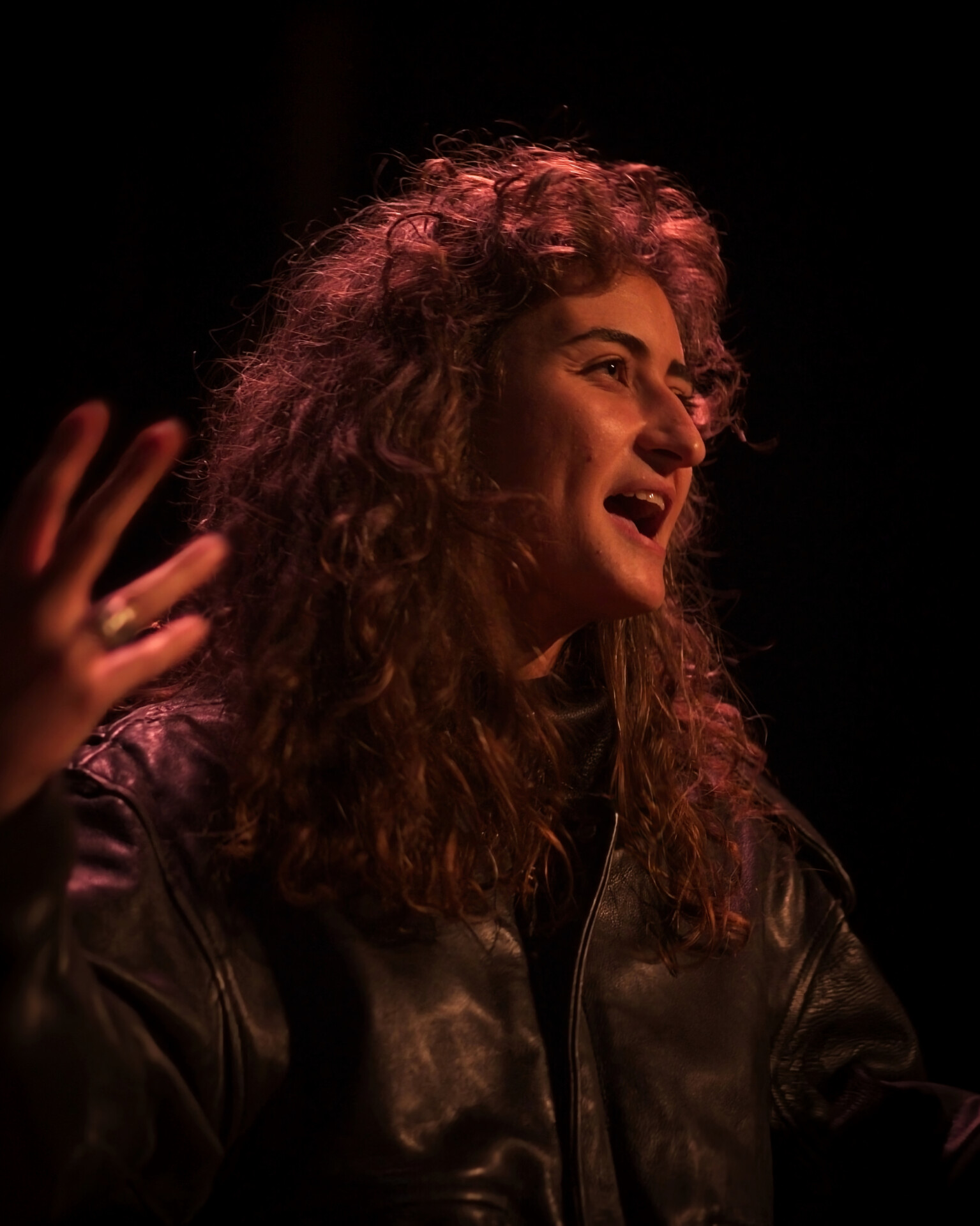
At the heart of the dramaturgy also hovers the legacy of Spiral Tribe, the legendary collective whose fight for a free form of celebration still resonates today.
Because Tribe speaks as much about the past as it does about the present. In a context where rave parties continue to be regularly repressed, the performance reminds us that free party is a culture under constant threat, one that must be defended by continuing to represent it.
More than a reconstruction, Tribe also acts as an echo chamber for our own experiences, and for our freedoms. If you have not seen the play yet, then everything is still there to discover. And if you have already seen it, then you should discover it again. Nothing is fixed, everything is still capable of moving.