No products in the cart.
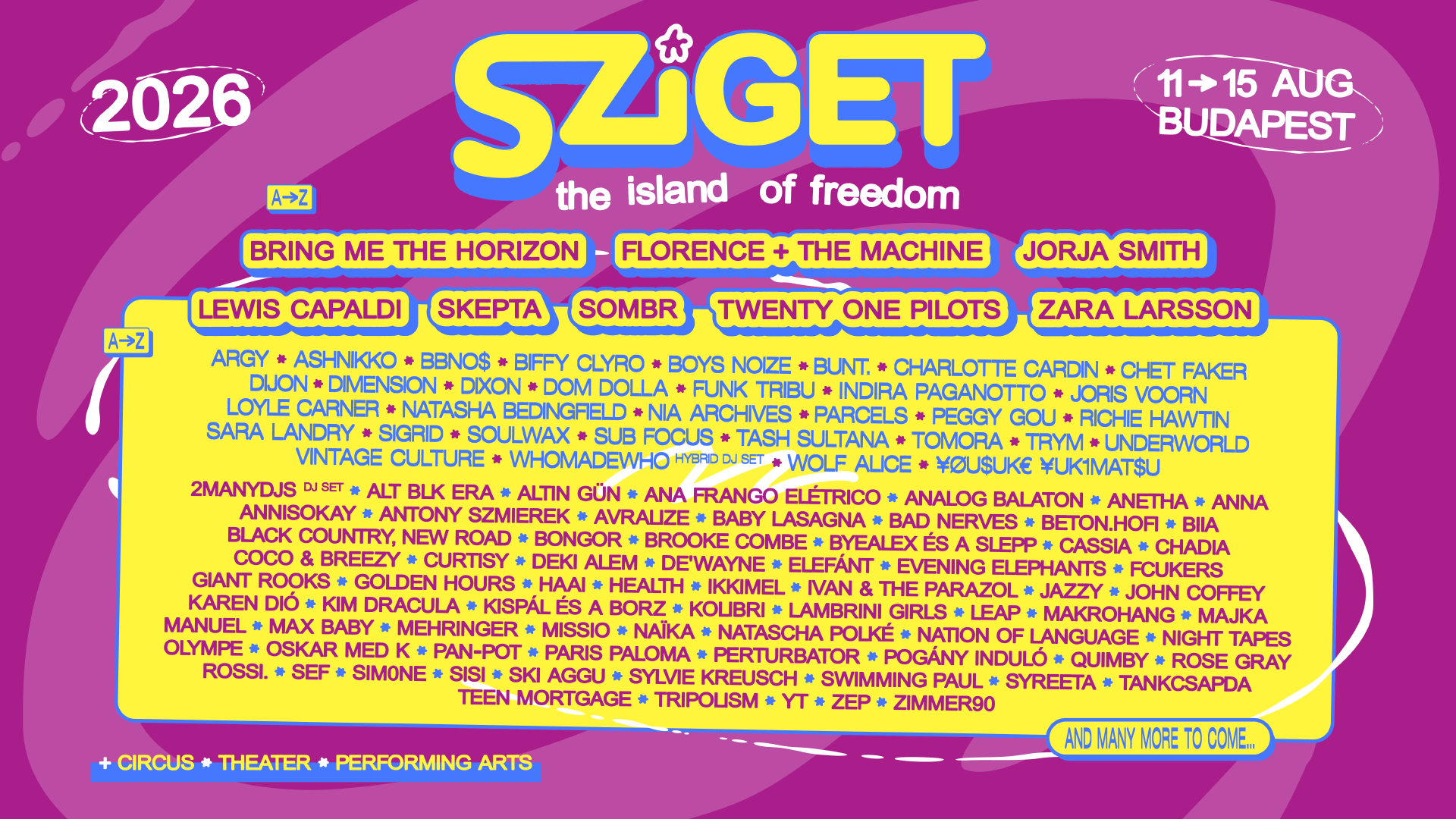
Sziget Festival is continuing to expand its nightlife offering. For its 2026 edition, the Hungarian event has announced more than 60 new electronic artists, completing the line-up for the Delta District, its area entirely dedicated to after-dark programming. With names such as Peggy Gou, Sara Landry, Richie Hawtin, Indira Paganotto, Patrick Mason, Dixon, Joris Voorn and Sub Focus, the space is clearly positioning itself as one of the festival’s electronic focal points.
Over the years, Sziget has grown into far more than a generalist festival. In 2026, the event is once again making it clear that electronic music is now a central part of its identity. With the announcement of more than 60 new names, the festival has now completed the line-up for its Delta District, the nightlife-focused area launched last year.
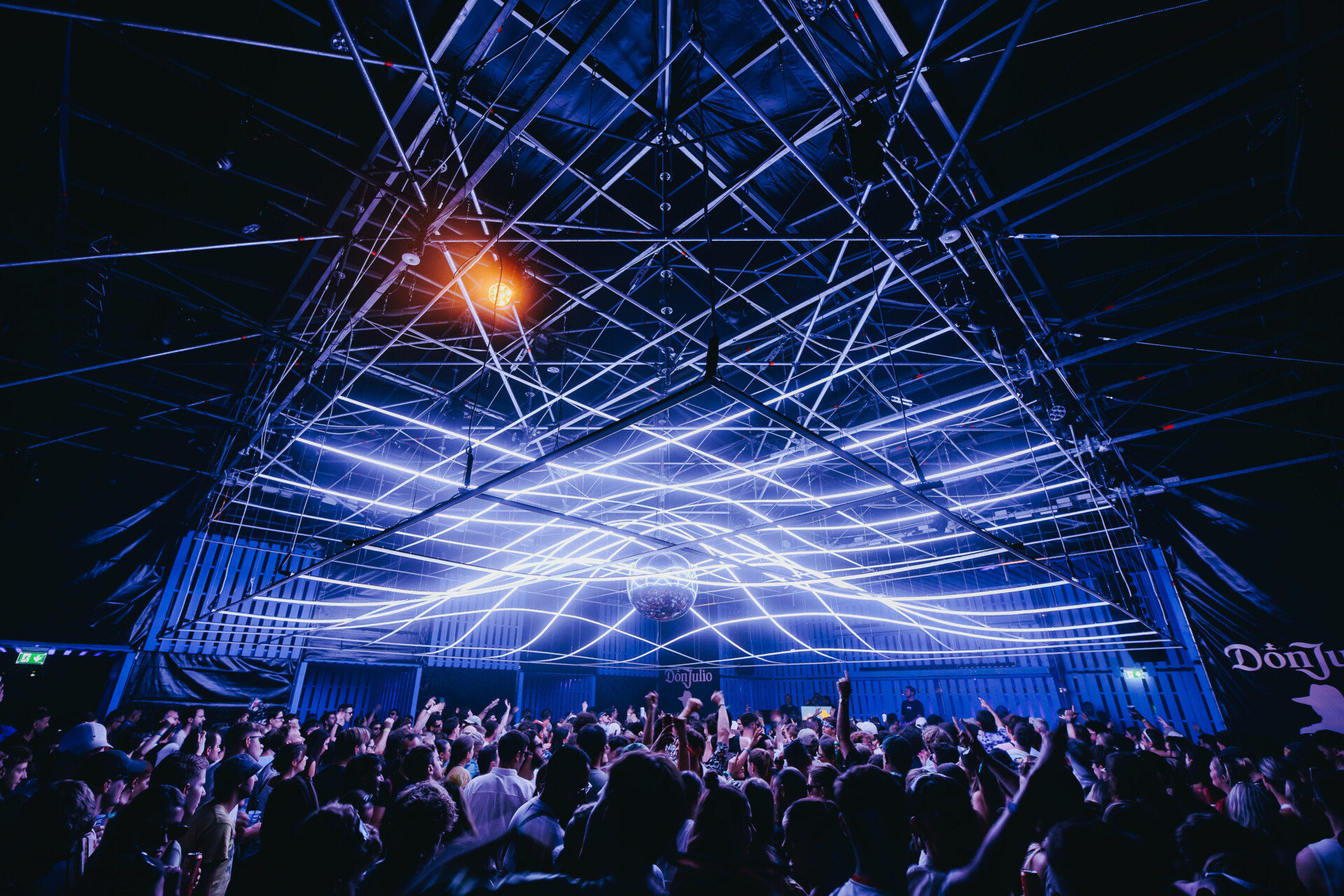
Built around three stages — Yettel Colosseum, BOLT Night Stage, and The Club — the Delta District quickly established itself as a key part of the Sziget experience. The idea is not simply to add a few DJ sets to the wider programme, but to create a fully fledged after-hours universe where major headliners, rave energy, club formats, and emerging scenes can coexist.
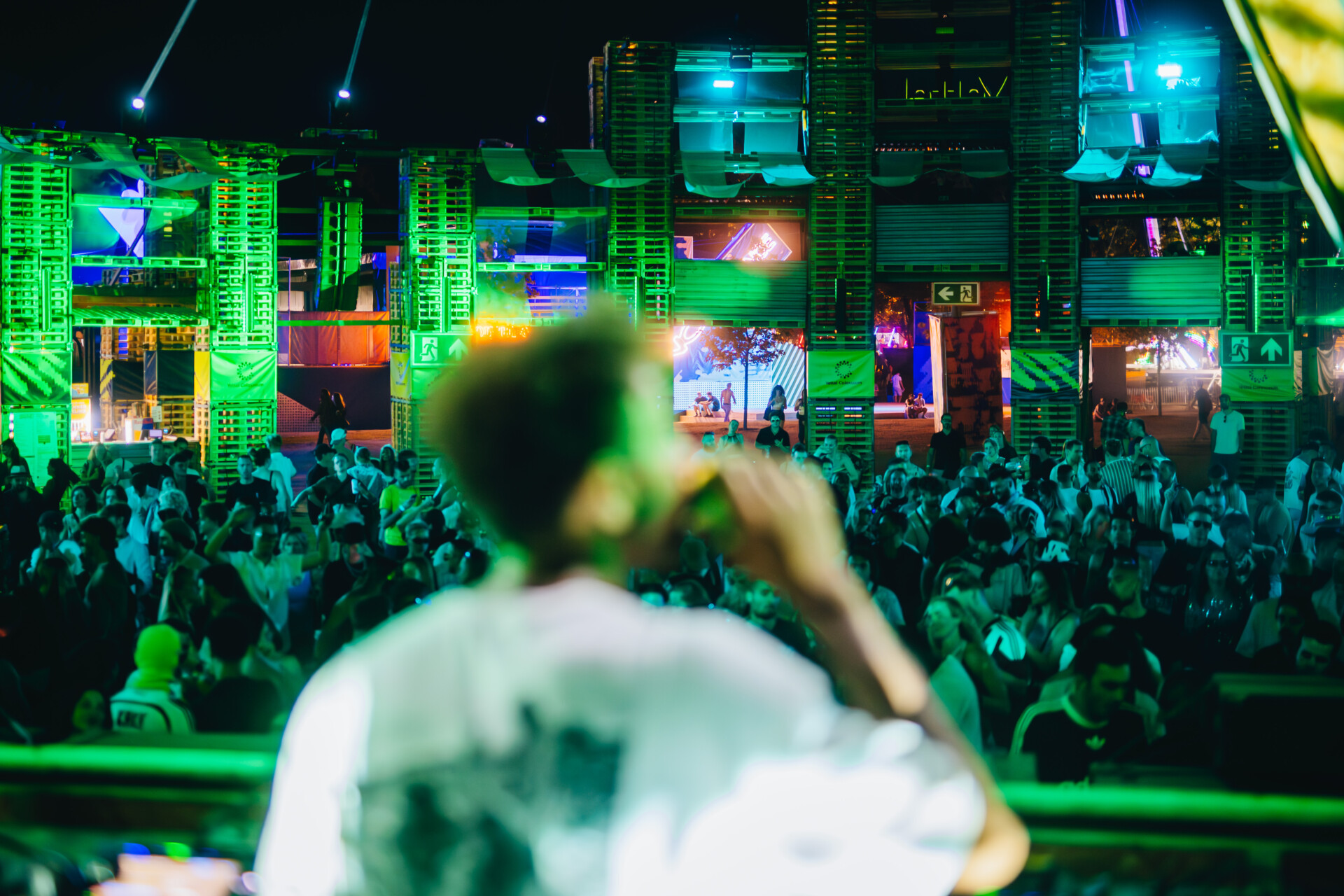
On paper, the 2026 edition fully embraces that ambition. Among the leading names are Peggy Gou, Sara Landry, Richie Hawtin, Dixon, Indira Paganotto, Argy, Anfisa Letyago, and Patrick Mason. The programme also includes Joris Voorn, Mëstiza, WhoMadeWho, Boys Noize, Trym, ANNA, Pan-Pot, KiNK, Vintage Culture, Sub Focus, and Dimension. Altogether, it reflects a broad electronic spectrum, moving from house to techno, hard techno to drum & bass, while leaving space for more hybrid sounds.
What stands out most is Sziget’s intention to make this area a real destination within the festival rather than just an “electronic corner.” The Delta District is increasingly being framed as one of the event’s core pillars, with its own rhythm, identity, and promise: music running deep into the night and well into the early morning. It also mirrors a wider shift across Europe’s major festivals, many of which are now giving club culture and electronic diversity a much more central role.
This line-up also says something about the current state of the scene. On one side are established, widely recognised figures such as Richie Hawtin, Dixon, and Peggy Gou. On the other is a newer or more high-intensity generation represented by artists like Sara Landry, Patrick Mason, Trym, and Anfisa Letyago, reflecting how rave, techno, and club audiences are reshaping the wider festival imagination.
Set to take place from August 11 to 15, 2026 on Budapest’s Óbuda Island, Sziget will once again combine music, art, and immersive experiences, while clearly strengthening its electronic programme. And while the Delta District will be the epicentre of that nighttime energy, electronic music will also appear elsewhere across the site, with artists such as Underworld, Nia Archives, and Soulwax also performing on other stages.
A few months ahead of the festival, this latest announcement confirms one thing: at Sziget, the night is no longer just an extension of the festival. It has become one of its main selling points.