

No products in the cart.
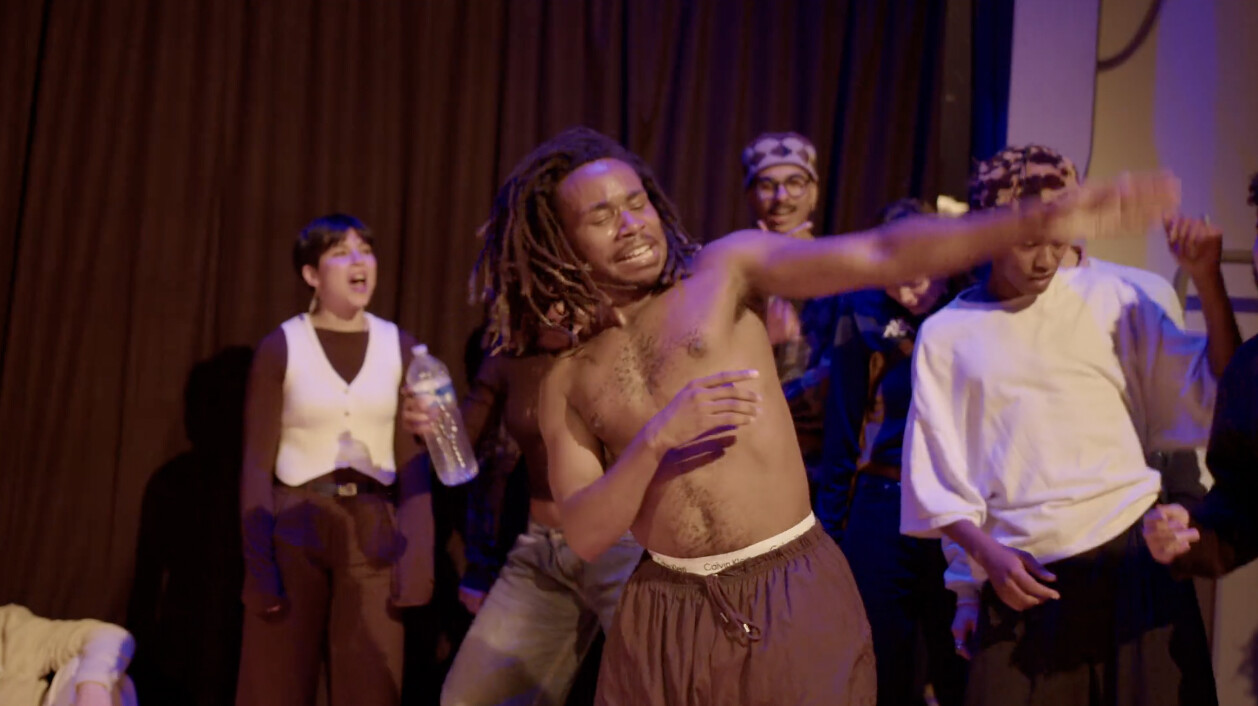
Tektonik is not a dance. Electro is.
Over the past few weeks, articles have been piling up. Tektonik is back, Tektonik nostalgia, Tektonik and the Y2K generation. The problem is that in most of these pieces, they are talking about a dance that doesn’t really exist.
Because what many people still call Tektonik is, in reality, electro dance.
“From the very beginning, it’s electro dance. Tektonik was a brand”, remind Jihane and Hamza, president and founding member of the association Citélectro, based in Stains. An essential clarification, too often overlooked. Tektonik was a movement, a specific moment in the history of clubs and French media in the 2000s. It certainly helped popularize electro dance. But it is neither its origin nor its definition.
Electro dance was born in clubs, not in the streets. It is built on electronic music, battles, performance, and collective energy. It shares codes with hip-hop—underground culture, competition, transmission—but its DNA lies elsewhere. “We don’t come from the same place”, they explain simply.
Today, electro dance has grown. It has become structured. It has named its foundations, developed its techniques, pedagogies, and training programs. It is taught, debated, and passed on. It exists on stage, in international battles, conferences, workshops, camps, and cultural and social events. In Stains, Citélectro carries out this work on two levels: keeping the electro community alive while opening it up to audiences who previously had no access to it.
And above all, electro dance has moved beyond the reflex of “oh, you’re doing Tektonik.” Not entirely—the confusion still exists—but enough to gain real recognition within the dance world. In France, but also internationally. Japan, South Korea, emerging countries: the electro scene continues to expand.
“Electro dance isn’t just about movements. It’s a culture.”
A culture that evolves with its time, that confronts social media without losing itself, and that claims an artistic vision rather than a simple trend. A culture carried by dancers, collectives, associations, and activists of the movement.
So yes, calling it Tektonik isn’t “wrong.” But reducing electro dance to that word means missing everything it has become. A young, structured, living dance. A dance of the present and the future, not just a marketing-driven nostalgia.
And for those who really want to understand: just look at where it’s still being danced. And how.
Tagged with :