

No products in the cart.
Tomorrowland turns its electronic anthems into a shared musical legacy
Tomorrowland is no longer just a festival. It has become a universe, a storytelling machine, and increasingly, a keeper of its own musical legacy. With the release of the full Symphony of Unity performance, the Belgian giant continues a clear artistic direction: positioning electronic music as part of a long-term cultural canon.
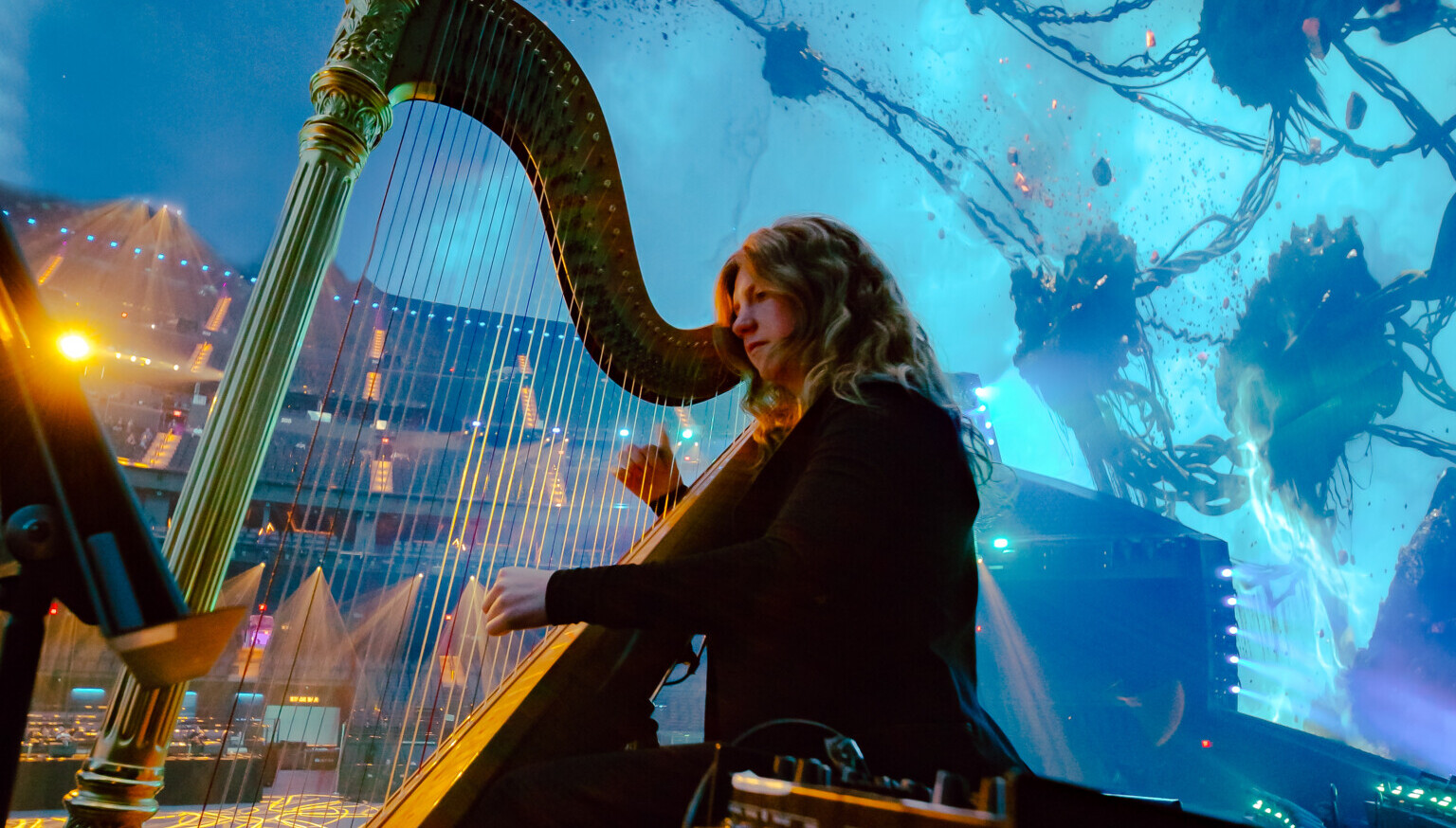
Performed on the Freedom Stage, the orchestra delivered a one-hour set reimagining key tracks from dance music history and Tomorrowland’s own mythology. Classics such as Faithless’ Insomnia, Energy 52’s Café del Mar or Swedish House Mafia’s Don’t You Worry Child were transformed through sweeping classical arrangements. In this format, these tracks shift in meaning: no longer just festival weapons, but compositions meant to be reinterpreted and preserved.
While Symphony of Unity is not a new concept, its significance feels stronger in 2025. The orchestra performed not only at Tomorrowland Belgium, but also at the UNITY event at the Sphere in Las Vegas, and later at Antwerp Expo. These venues signal a clear intention: bringing electronic culture into spaces traditionally associated with high-end, formal performances.
This evolution reflects a broader change in how electronic music is framed. Once seen as ephemeral and club-bound, it is now being presented as a shared heritage. Played by a full orchestra, these tracks become generational reference points — collective memories rather than fleeting moments.
The timing also matters. The 2025 edition of Tomorrowland was nearly derailed when a fire destroyed the original main stage just days before opening. Despite this, the festival went ahead largely as planned, hosting around 850 artists across 16 stages with a rapidly restructured programme. In that context, the Symphony of Unity performance feels symbolic: a moment of unity, continuity, and resilience.
Through orchestral reinterpretation, Tomorrowland isn’t just celebrating its biggest tracks. It’s writing its own history — and claiming that electronic music now has classics worthy of the concert hall.