

No products in the cart.

Mainstream codes and behaviors are increasingly invading our scene. The point here is not to make sweeping generalizations about behaviors that, hopefully, still remain exceptions. Still, certain observations can be made about artists who have let fame get to their heads. Beyond the recent scandals involving sexual and sexist violence, which already say a lot about the direction things are taking, there are also attitudes that may not be illegal, but remain unbearable and, above all, damaging to our scene, its values, and the people who keep it alive.
Techno was supposed to be an escape from commercial clubs, ego trips, and superficiality. It is more than parties or a music genre. It is also about people, community, and a refuge built on ideals of equality. Yet little by little, the codes of the star system have infiltrated a scene that originally defined itself against them.
Some behaviors genuinely disturb me, honestly, more than just a little: disrespect toward staff, absurd demands, hello ridiculous riders, unbalanced human relationships, damaged equipment, and much more. How did a scene created to dissolve egos end up producing untouchable figures?
The issue is obviously not success itself. The issue may be everything that comes with it. The product is no longer just music; the DJ is now part of the product too. And yes, the pressure is real. Touring is exhausting. Expectations are high. Artists deserve good working conditions and their mental health should absolutely never be ignored. Everyone can have a bad day once in a while.
But constantly?
In this industry, as everywhere else, word travels fast. And these behaviors, ladies and gentlemen DJs, damage your reputation. No, you are not rockstars. And ironically, even actual rockstars did not always behave like “rockstars.”
Ego Product?
We often come back to a broader issue tied to the mechanisms of the industry and the way success is built today. But reducing the ego problem purely to “money” or the financial growth of the industry would be an oversimplification. The most famous or wealthiest artists are not necessarily the ones with the biggest egos, and vice versa. There are incredibly humble artists despite their success, just as there are toxic behaviors on much smaller scales.
The problem seems to come more from a system that increasingly rewards visibility, image, and individual performance, sometimes encouraging narcissistic tendencies. But as always, there are good and bad people everywhere, regardless of status or money.
It is also worth noting that in smaller, more niche spaces, where there is little or no money involved, it becomes much harder to behave badly. Power exists more on the margins there. Artists depend on the people willing to support them, book them, and take risks on them, often for very little money and mostly out of passion. Human relationships tend to remain more horizontal.
But when money, power, and celebrity move to the center, ego often follows. Everything becomes a visibility strategy, a competition, sometimes even authenticity itself. And inevitably, when ego becomes an economic tool, behaviors start reflecting it.
After being constantly validated, applauded, and anticipated, some people begin to believe they are above everyone else. Nobody dares to say no anymore. Nobody dares to call out inappropriate behavior because there is too much money, influence, or visibility at stake.
So everyone absorbs it in silence to “stay professional”: technical crews, press officers, photographers, media outlets, festivals, clubs, that entire invisible army keeping the scene alive.
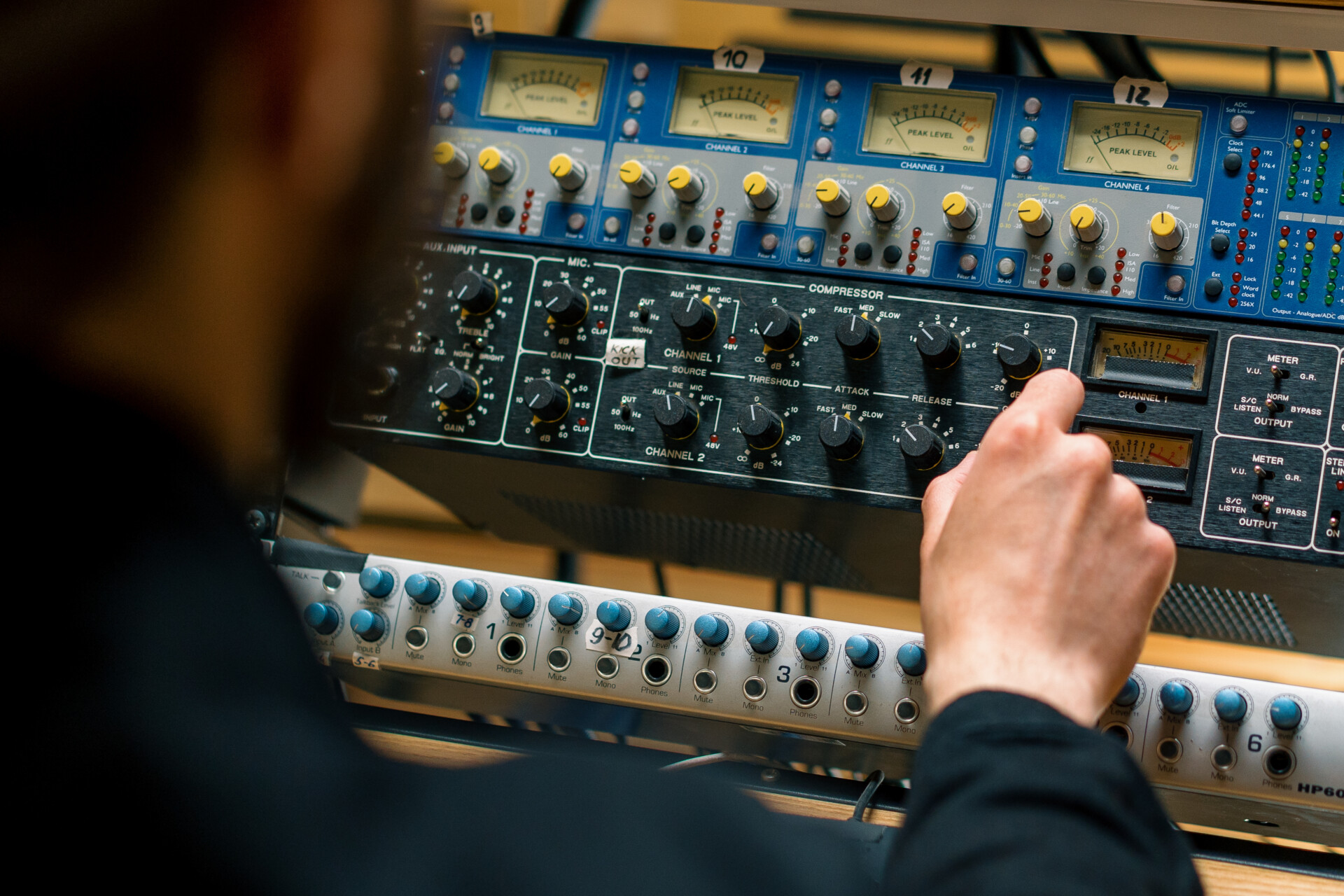
Give Some Respect Back to the Invisible Workers
Because at the end of the day, without them, there is no scene. No sound. No lights. No security. No communication. No Instagram aftermovie hitting 200k views. No “incredible” set if nobody built, calibrated, cleaned, welcomed, drove, wired, carried, reassured, or repaired everything behind the scenes.
So at the very least, even without redistributing power, we should give them respect.
We romanticize the image of the “solitary DJ genius” far too much. But the reality is that an artist today is also a small business. And like in every industry, when the top of the pyramid becomes untouchable, the people below suffer first. Always.
The issue is also our collective tolerance. We excuse too much because “they’re a big name.” We accept behaviors we would immediately reject from anyone else. We normalize contempt under the excuse of talent. And honestly, we need to let go of this myth of the “unmanageable genius” who constantly needs to be babysat.
Most artists who remain respected over time are precisely the ones who respect the people around them. It is no coincidence that so many technicians, promoters, and organizers say the same thing: the truly great names are often the most grounded human beings. They remember where they came from.
Electronic music was born in marginal spaces. It was carried by queer, Black, working class, and alternative communities, not by systems of domination or celebrity worship. The original idea was collective experience. Dissolving the ego into the dancefloor, not recreating the same power structures found everywhere else.
So yes, limits need to exist. We need to stop sanctifying certain artists. We need to value the invisible workers of the industry. Because being respectful and humble will never make anyone less talented.
photos credits : Envato Elements