

No products in the cart.
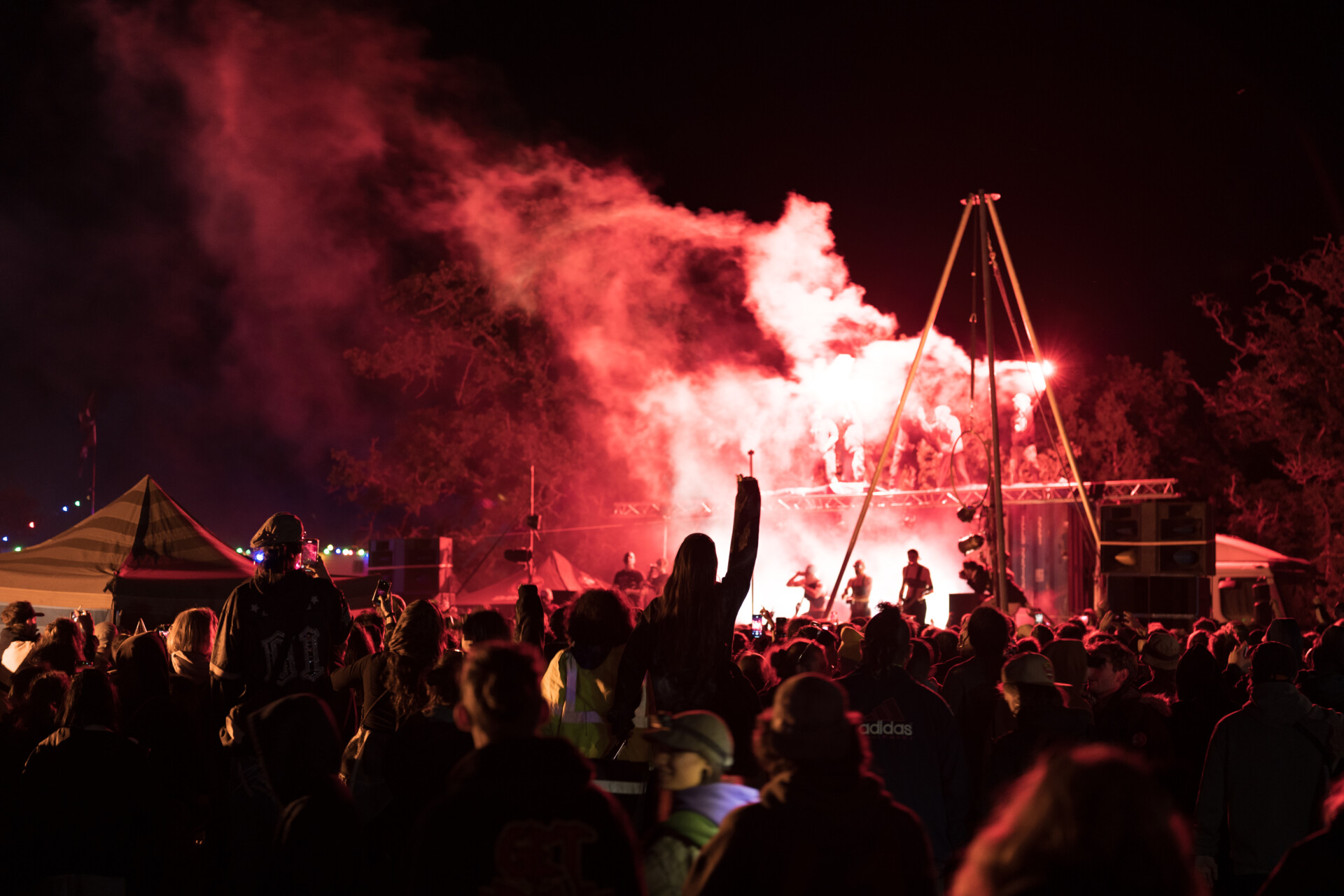
On April 9, France’s National Assembly will examine a proposed law that could significantly harden penalties against illegal rave parties. Put forward by members of the Horizons party during their parliamentary niche day, the bill seeks to expand both criminal responsibility and financial sanctions linked to unauthorized music gatherings.
Under the proposal, anyone involved in the “organization” of an illegal rave could face up to six months in prison and a €5,000 fine.
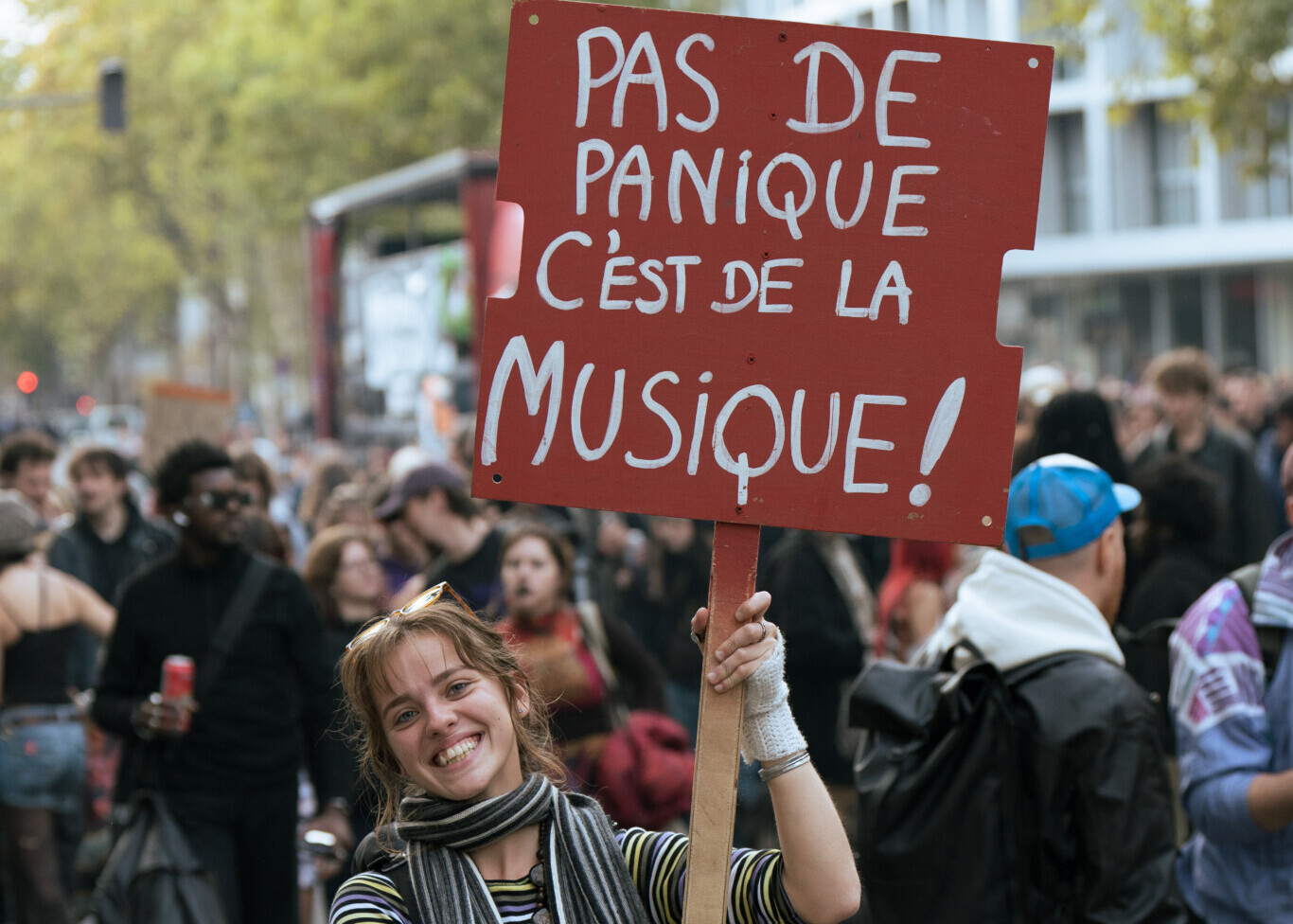
But the most controversial aspect of the text lies in how broadly “organization” would be defined. The proposal reportedly includes actions such as sharing practical information about the event, transporting sound equipment, building a sound system wall, or even setting up rest or communal spaces on occupied land. In other words, responsibility would not be limited to core organizers, but could extend to individuals playing logistical or supportive roles.
Fines for attendees
The bill also introduces penalties for participants. Attendees at unauthorized rave parties could face a €1,500 fine, rising to €3,000 in the event of repeat offenses. This marks a clear tightening compared to the current legal framework.
The proposal is backed by Horizons lawmakers and co-signed by members of Renaissance, MoDem and Liot. Parallel legislative initiatives addressing illegal rave gatherings are also being discussed in the Senate.
A long-running tension
Free parties and teknivals have existed in a legal grey zone in France for over three decades. Authorities frequently cite public safety concerns, environmental damage and lack of permits. Supporters, however, frame them as autonomous cultural expressions rooted in electronic music history, often accompanied by harm-reduction associations working on-site.
Critics of the proposed law argue that expanding criminal liability to such a wide range of actions could raise constitutional questions, particularly regarding freedom of assembly and expression. Others see the move as part of a broader shift toward stricter public order enforcement.
The bill will be debated and voted on April 9. Its outcome could reshape the legal landscape for France’s free party scene.

A petition warns of expanded criminalization
Alongside the parliamentary debate, several collectives and associations are calling for mobilization against the proposed law, which they consider particularly repressive toward the free party movement.
According to the organizers of the petition, the main concern lies in the broadening of the legal definition of an “organizer.” The text specifies that actions such as sharing practical information about the event, transporting sound equipment, helping to build a sound system wall, or setting up a rest area or food truck on the site could all be considered participation in the organization of an unauthorized gathering.
For the groups raising the alarm, this definition could have far-reaching consequences. Volunteers, artists, or even participants simply helping with logistics could legally be treated as organizers, exposing them to the penalties outlined in the bill — up to six months in prison and a €5,000 fine.
The petition also highlights potential consequences for harm reduction organizations. These groups regularly operate at festive events to provide public health services such as drug information, prevention, and support. According to their representatives, the proposed law could lead to situations where installing a harm reduction space on site might be interpreted as participation in the organization of a free party.
Signatories warn that such an interpretation could undermine public health initiatives that are already recognized and regulated under French public health law.
The bill does not only target organizers. Participants themselves could also face penalties, with fines set at €1,500 and rising to €3,000 in the case of repeat offenses.
For the collectives involved, these measures represent a broader criminalization of an alternative cultural practice, one they describe as a space for artistic and social experimentation. Free parties often combine electronic music with visual arts, performance, craft practices, and collaborative forms of cultural production.
Several organizations have already signed the petition, including Collectif Tekno Antirep, the Coordination Nationale des Sons, and harm reduction associations such as Techno+, Keep Smiling and Nautilus RdR, alongside dozens of sound systems.
For the signatories, the issue goes beyond illegal gatherings themselves. They argue it raises a wider question about the place of alternative festive cultures in public space, and how authorities balance regulation with cultural freedoms. Beyond the legal technicalities, the debate reopens a deeper question that has persisted for 30 years: can underground culture be regulated through dialogue and structured negotiation, or does a punitive approach inevitably push it further into the shadows?
The coming weeks may prove decisive for the future of free parties in France.