No products in the cart.
Disclaimer for the purists
Yes, we know. You already recognise every name on the lineup. Obviously. You’ve done your research, dug through Discogs, listened to the original pressings, and vinyl is, anyway, the only true way to listen to music. Great. This article is not for you. It is for those who still want to discover, to get a little lost, to not recognise everything, and for whom not knowing a name is not a flaw, but often very good news.
At a time when many electronic music lineups feel like copy and paste exercises dictated by algorithms and the Instagram or TikTok value of names, Horst Festival continues to carve out a singular path. For its 2026 edition, the Vilvoorde-based organisation announces a programme that rejects the ease of instant recognition in favour of a vision built around evolution, context, and long-term cultural impact.
Returning to Asiat Park from May 14 to 16, 2026, Horst presents a music programme shaped by transformation rather than repetition. More than 120 artists are invited, spanning styles, generations, and geographies, yet united by a shared conviction: club music remains a space for celebration, transformation, and political expression.
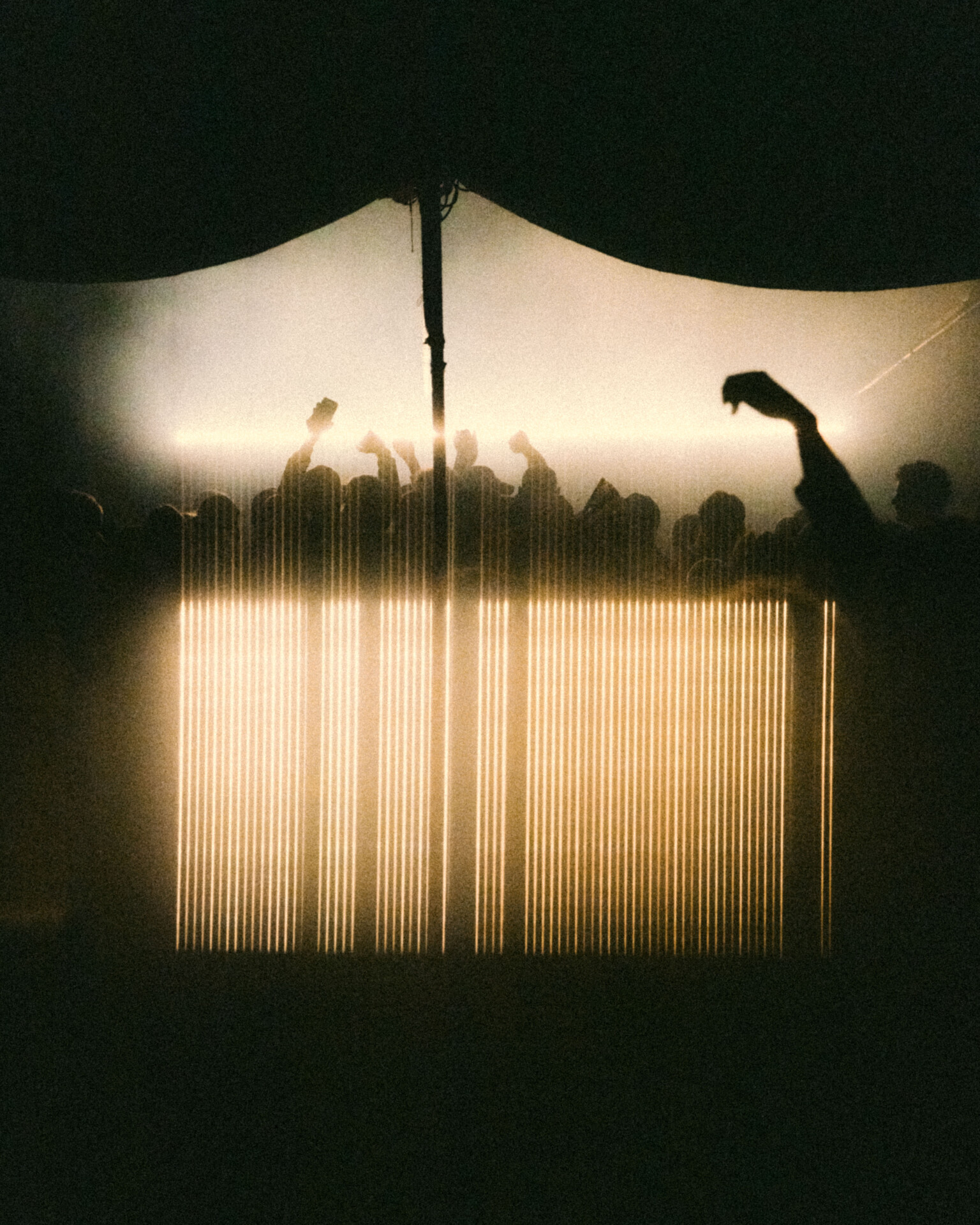
Horst offers a deliberate counter-model. There is no race for headliners or escalation of notoriety here, but rather a long-term curatorial effort that foregrounds peripheral movements, niche subgenres, and artists whose work contributes to a broader reflection on club culture. The programme prioritises musical artistry and long-term influence over instant impact.
“We’re not interested in repeating what already works”, explains Simon Nowak, Head of Music at Horst. “The 2026 programme is built around evolution, giving space to artists whose work carries meaning, intention, and long-term cultural resonance. Every choice reflects how we understand club culture as something living and moving, not something to be looped and exploited.”
This approach translates into a lineup that brings foundational figures into dialogue with contemporary voices, without nostalgia or artificial hierarchy. Artists such as Todd Edwards, Stacey Hotwaxx Hale, Gilles Peterson alongside MC Rob Galliano, or Daphni appear next to projects embodying a scene in motion, from DJ Swisha to Moxie, via DJ Fart in the Club, Ehua, Yu Su, and Carré.
The notion of community, rather than that of stardom, structures the entire programme. Horst highlights shared projects and collaborative formats that make musical sense, such as Call Super and Parris with Can You Feel the Sun, livwutang and Priori, Beatrice M. and Mankiyan, or Night Moves led by Jade Seatle and Jane Fitz. These proposals reflect a deliberate focus on scenes, connections, and continuity rather than individual exposure.
True to its interest in imperfect forms and open-ended experiences, Horst places strong emphasis on live and hybrid formats. From Barker to Om Unit with Acid Dub Studies, from SnPLO to Takuya Nakamura or OK EG, the programme deliberately blurs the boundaries between performance and dancefloor. Other projects bring DJs and producers together in new configurations, such as Jump Source or Kaito-Kai, extending this idea of collective experimentation.
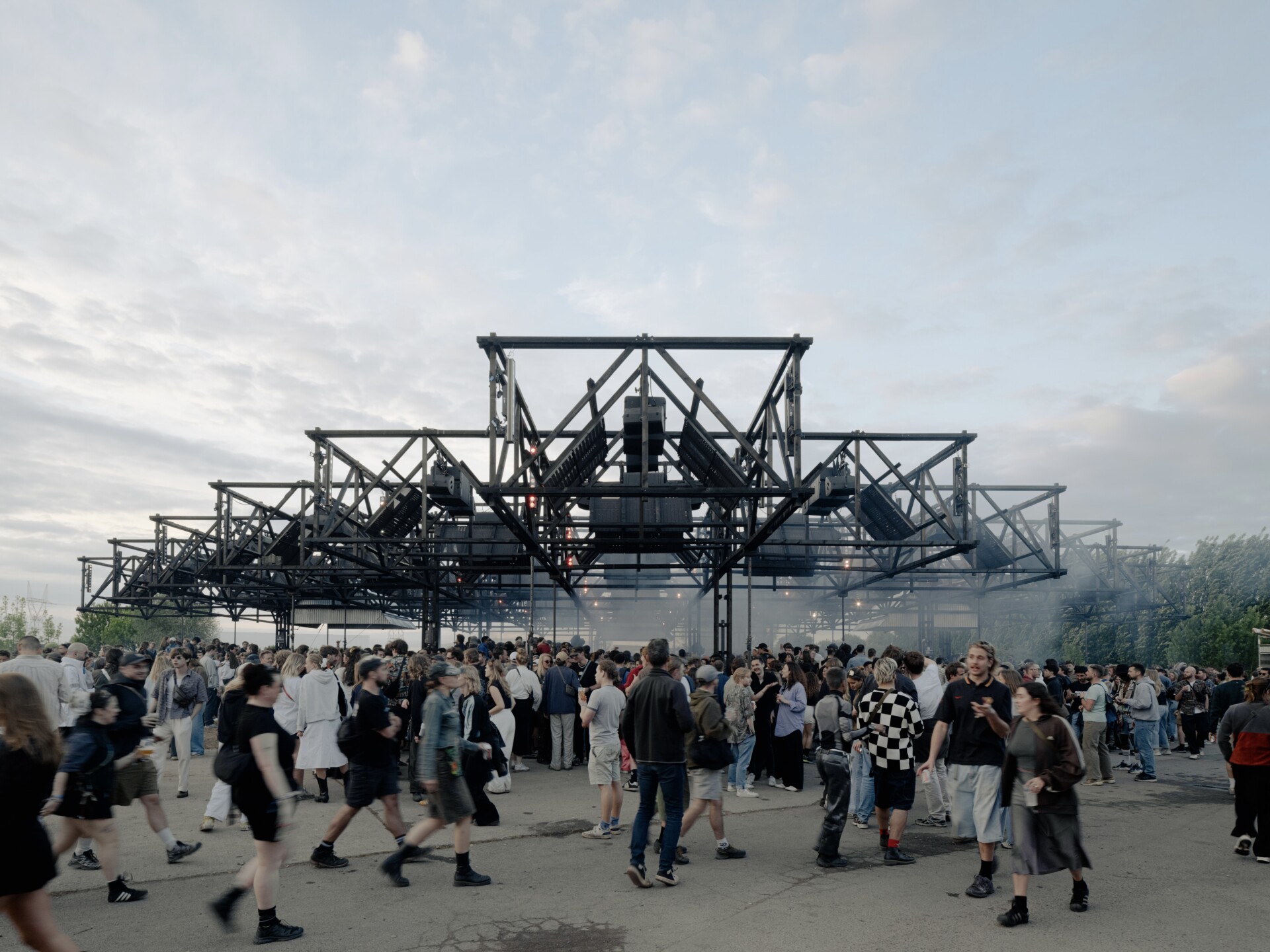
The Belgian scene at the heart of the project
The 2026 edition also confirms the central role of the Belgian scene, more visible than ever in key slots across the festival. Far from a simple local nod, this strong presence reflects a long-term commitment to placing local artists at the core of Horst’s sonic identity. From club-focused selectors such as AliA, Altinbas, Ben Kamal, Clara D, DJ Rino, Nefeli, ONEY, and Shabz, to live performances by Natasha Pirard, PiP and Ambroos De Schepper, or Jan Loup and Mika Oki, the local scene is treated as a driving force rather than a backdrop.
Across the site, Horst continues its work of breaking down boundaries between disciplines. Hybrid performances, cross-format projects, and unexpected collaborations redefine the use of space and time. Susobrino and his Susonidos Block Party, DTM Funk with Black Gravity Dance, the hybrid creation by Front De Cadeaux, or the closing ceremony imagined by Le Motel all embody this desire to make the festival a place of encounter and transformation rather than a simple succession of concerts.
Curatorial dimensions further reinforce this approach. The Lot Radio and Kiosk Radio will extend their collaboration with a joint streaming programme, while Resident Advisor once again co-curates the Weaving Weeds pavilion, deepening the exploration of experimental, wave, and bass-oriented territories.
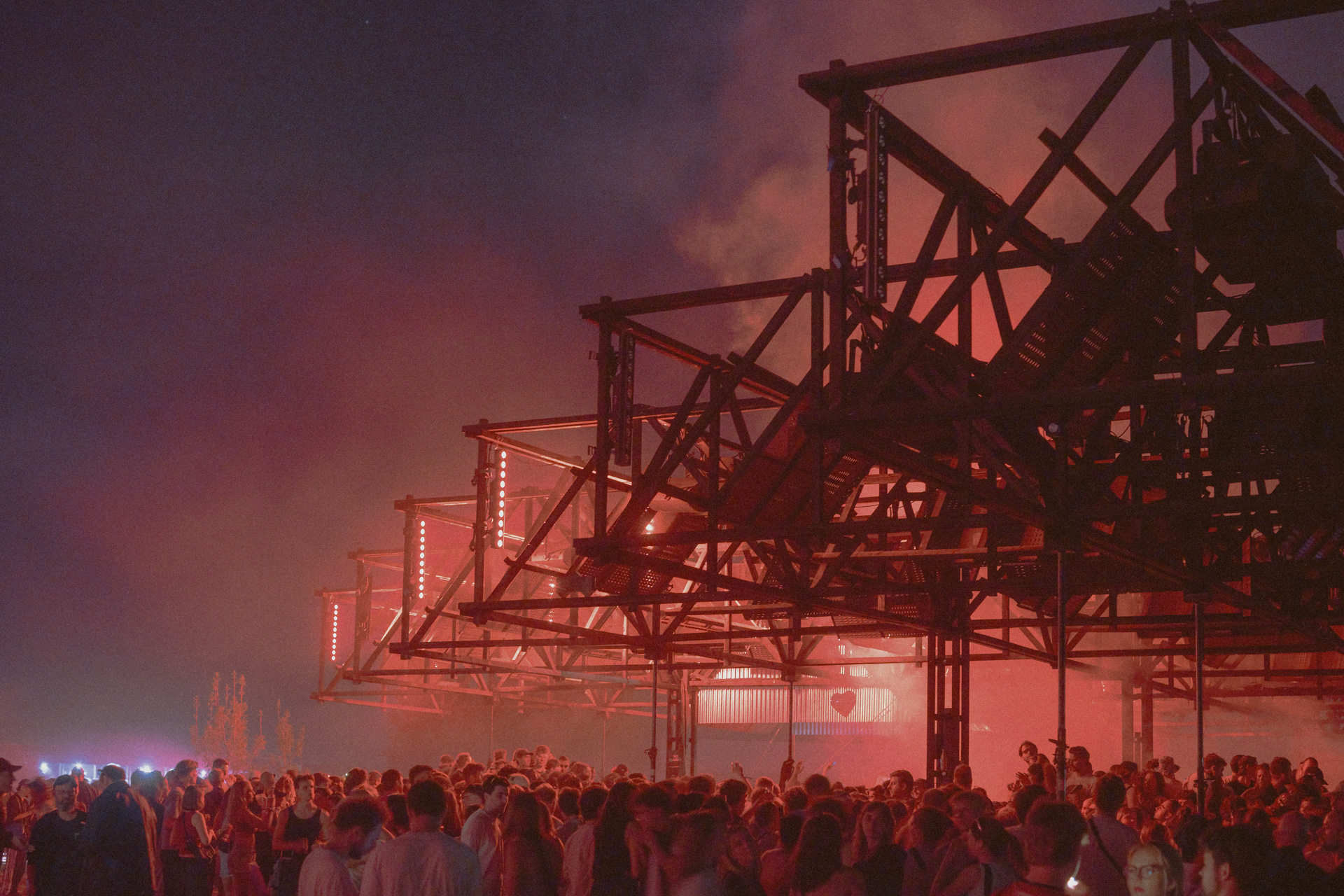
The Horst 2026 arts and architecture programme will be announced at the end of February. Remaining tickets are available, with Thursday passes currently on sale, and a limited number of Friday and Saturday tickets to be released following the day-by-day lineup announcement on February 22.
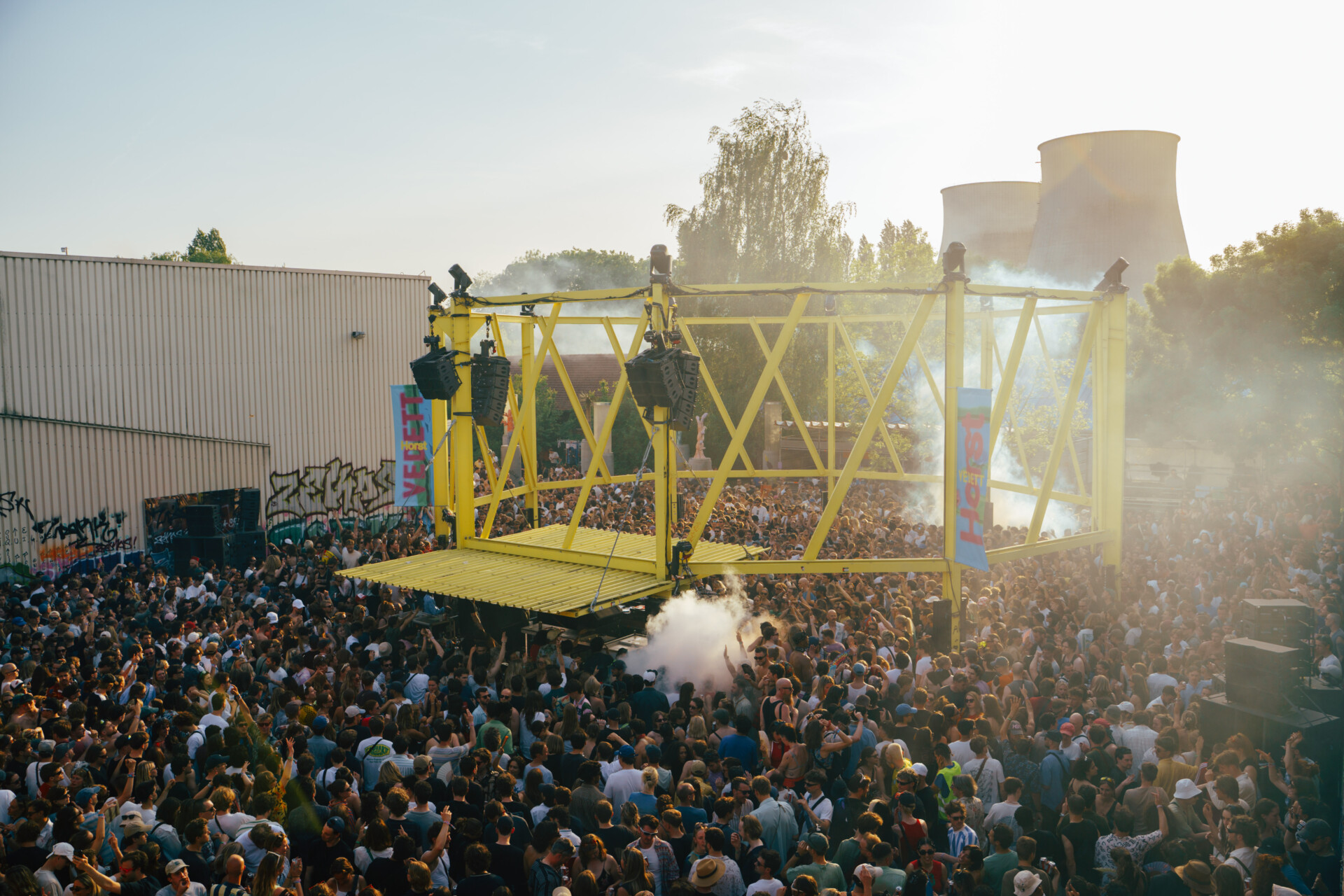
In a context where name recognition increasingly replaces relevance, Horst reminds us of something essential. If you hardly recognise any names on the lineup, it might not be a problem. It might be a sign that club culture is still, somewhere, doing exactly what it should do, which is moving forward.