
No products in the cart.
Festivals love a “first”. The first show of its kind, the largest stage, the tallest screen, the biggest figure they can place in a press release.
UNTOLD is now announcing a European first that feels considerably more useful: free HPV testing and breast ultrasounds during its 2026 edition.
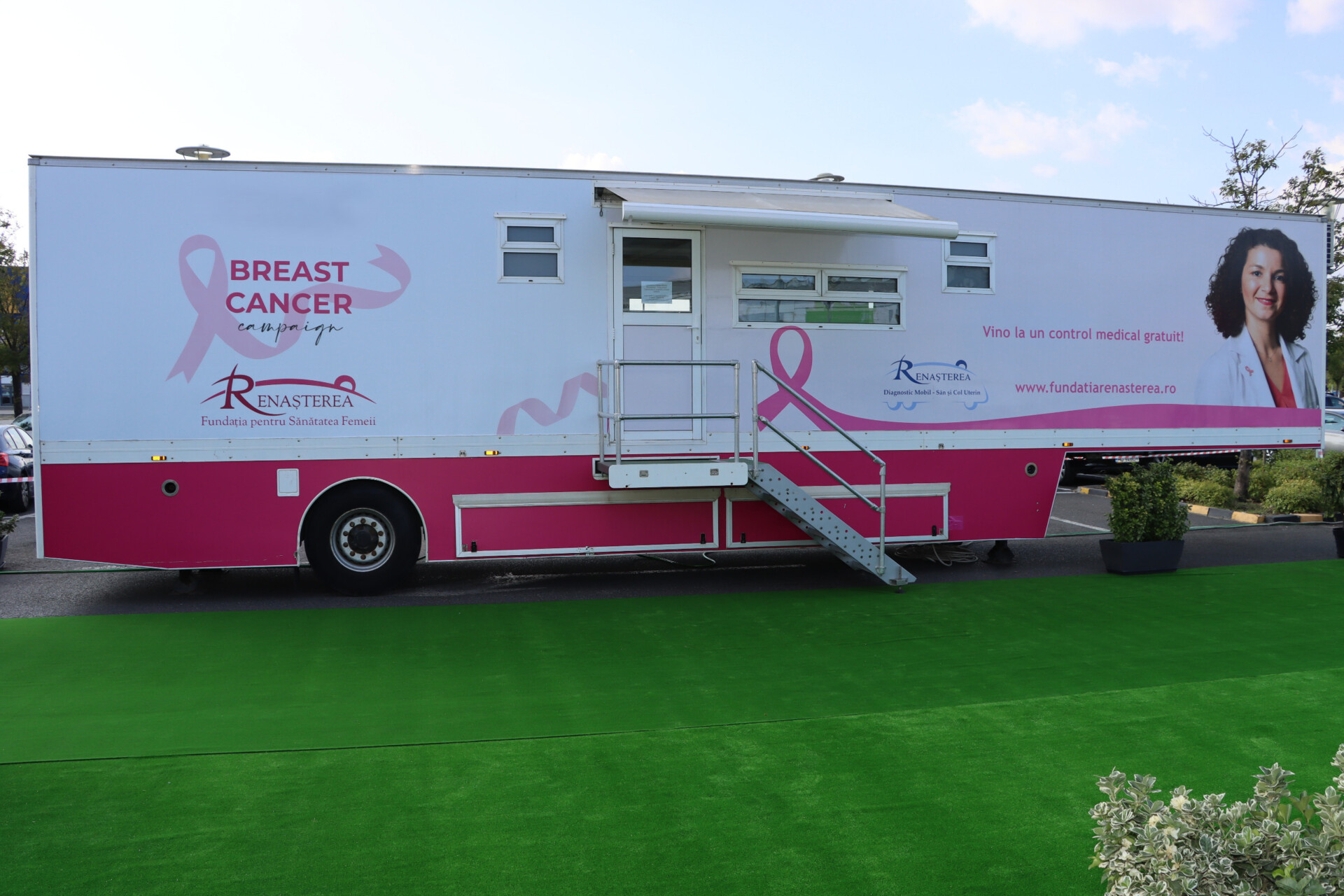
From August 6 to 9, a mobile medical unit run by the Renașterea Foundation will be located near the festival site in Cluj-Napoca. People with an UNTOLD wristband will be able to meet medical professionals, receive consultations and access preventive examinations in a space designed to be safe, discreet and professional.
The festival is understandably highlighting its status as a pioneer. Fine. But the most interesting part of the initiative lies elsewhere.
What matters is that an event gathering tens of thousands of people has decided to use that power for something beyond selling tickets, drinks and memories. Over four days, people who may have postponed a medical appointment for months could come across the mobile unit, ask a question or receive an examination without having to find a specialist, pay upfront or enter a medical centre alone.
Preventive healthcare often fails for reasons that are far less dramatic than a lack of awareness. Most people vaguely know that they should book appointments, attend screenings or speak to a doctor. Then life gets in the way: work, children, cost, fear of the result, difficulty finding a professional, embarrassment, or the very human habit of postponing everything until next month.
Bringing healthcare to places where people already gather removes some of those barriers.
A festival has exactly what many public health campaigns struggle to reach: a large, relatively young audience, available and gathered in the same place. Festivals already know how to communicate with that audience, capture its attention and turn individual actions into collective experiences. Used intelligently, that capacity can create an impact that lasts much longer than the final set.
Getting an HPV test between two concerts may sound unusual today. That is part of what makes the idea valuable. The more prevention enters ordinary, joyful and non-medical spaces, the less it remains associated only with fear, illness and waiting rooms.
Nobody should need to attend a festival to access healthcare. Public health systems must provide regular, universal and properly supported access to screening. A temporary campaign can never replace long-term policy or the medical follow-up required after a result.
It can, however, create a first point of contact. It can lead someone to book another appointment. It can remind thousands of people that their health also deserves space in their schedules.
UNTOLD’s initiative raises a question the entire festival industry should start asking: what does an event leave behind once the barriers and stages have been removed?
The answer cannot be limited to economic impact, vertical videos and the tonnes of rubbish collected on Monday morning. A gathering of this size can also become a temporary access point for services people genuinely need.
Festivals already host harm-reduction stands, sexual violence support teams, environmental organisations and mental health initiatives. Too often, these services remain tiny, badly signposted or treated like secondary obligations. UNTOLD’s announcement shows that they could become a much more ambitious part of the festival experience.
Events could offer free sexual health consultations, testing for other infections, psychological support, first-aid training or workshops on recognising and responding to an overdose. They could host blood donation drives, bone marrow donor registrations, hearing checks, proper ear protection distribution or appointments designed to reconnect people with healthcare services.
Why not also use these gatherings to help people register to vote, provide legal guidance, support survivors of violence, recruit volunteers for local organisations or fund healthcare programmes that continue after the festival ends?
Some of these ideas already exist in isolated forms. Others are still waiting to be created.
The goal is not to turn every dancefloor into a giant administrative centre or ask festivals to take over responsibilities abandoned by governments. But when an event gathers the population of an entire city for several days, it holds a rare opportunity, making essential services visible and accessible to people who might not seek them out alone.
The success of UNTOLD’s initiative should therefore not be judged only by how many tests are carried out over four days. It will also depend on the follow-up available, the number of people directed towards further care and, above all, what other events decide to learn from it.
Being the first makes a good headline. Making it normal would matter much more.