

No products in the cart.
Every year, Horst makes the word “festival” feel slightly insufficient.
There is a music lineup, of course. There are DJs, live acts, stages. But at Asiat Park in Vilvoorde, the project runs deeper. Horst works on a site the way you might work on soil: patiently, season after season.
Following the announcement of its 2026 music programme, focused on evolution rather than repetition, Horst now reveals its arts & architecture programme. Not as decoration. As structure.
From May 14–16, 2026, Asiat Park once again becomes a space where art, architecture and club culture operate on equal terms.
Art as a shared space
Louise Goegebeur, Head of Arts, speaks about multiplicity as a necessary condition of public space. A living place is not uniform. It is crossed by different voices.
In that spirit, Horst partners with The Constant Now to present a new performance by Fallon Mayanja, developed during a week-long POC-only collective atelier. The work unfolds daily during the festival, blending sound, voice and movement. It is conceived as a process as much as a performance.
French artist Paul Maheke, collaborating with curator Evelyn Simons, presents a work moving between installation and live performance, exploring transition, embodiment and states of passage.
On Saturday night, Queereeoké brings its radically inclusive karaoke format to the site. Simple in format, powerful in effect: a reminder that participation reshapes space.
Brussels-based collectives Apolemia and Anal Pompidou are given autonomous space to programme. Anal Pompidou will activate a previously closed building, embracing DIY aesthetics and disruptive energy. Horst leaves room for friction.
Architecture as ongoing work
The architectural commissions follow the same logic. Structures are not neutral backdrops; they create situations.
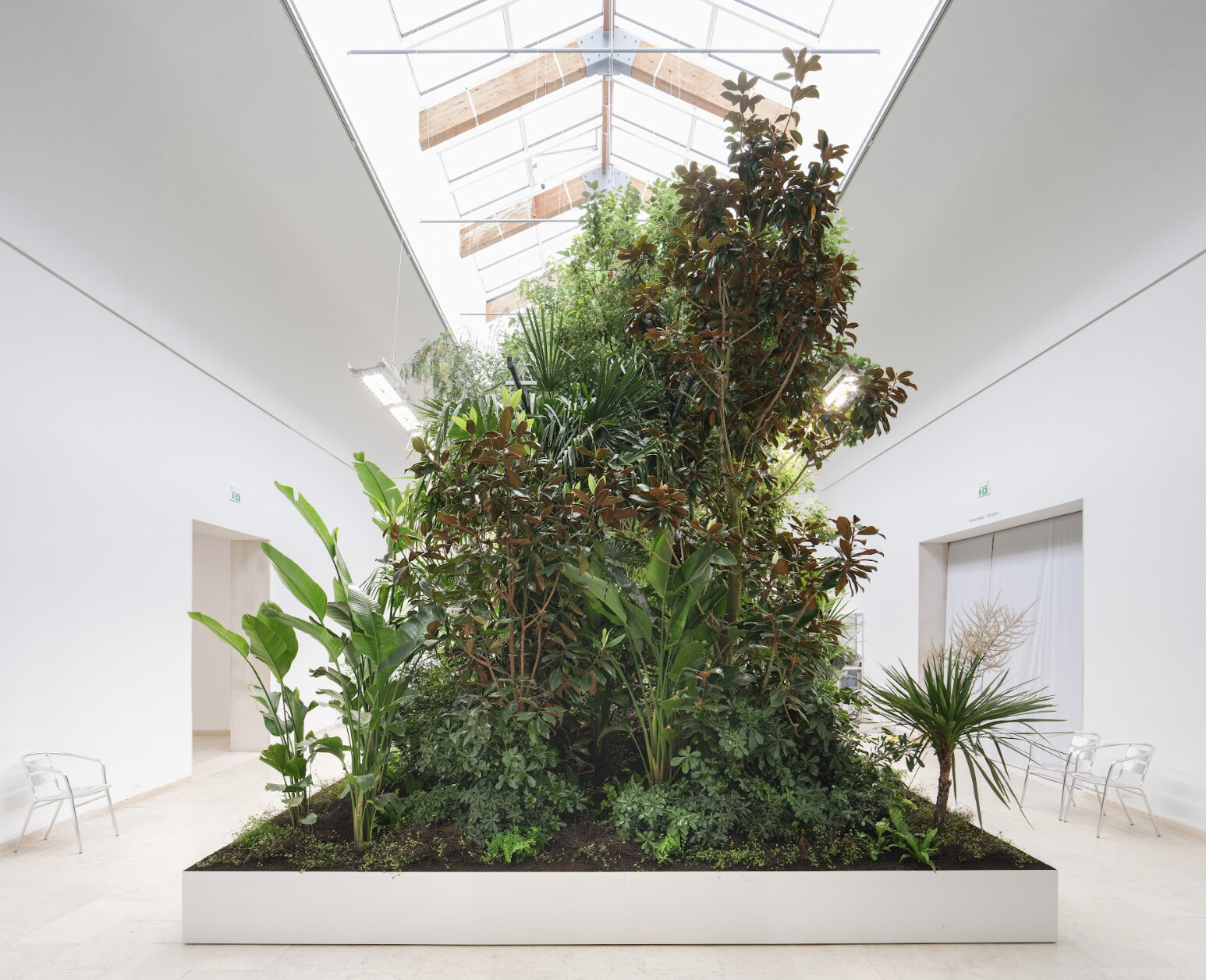
Bureau Bas Smets reinstalls Building Biospheres, previously shown at the Venice Architecture Biennale, within the Rain Room. Students from local horticultural school Horteco take part in the process. Architecture here is collaborative labour.
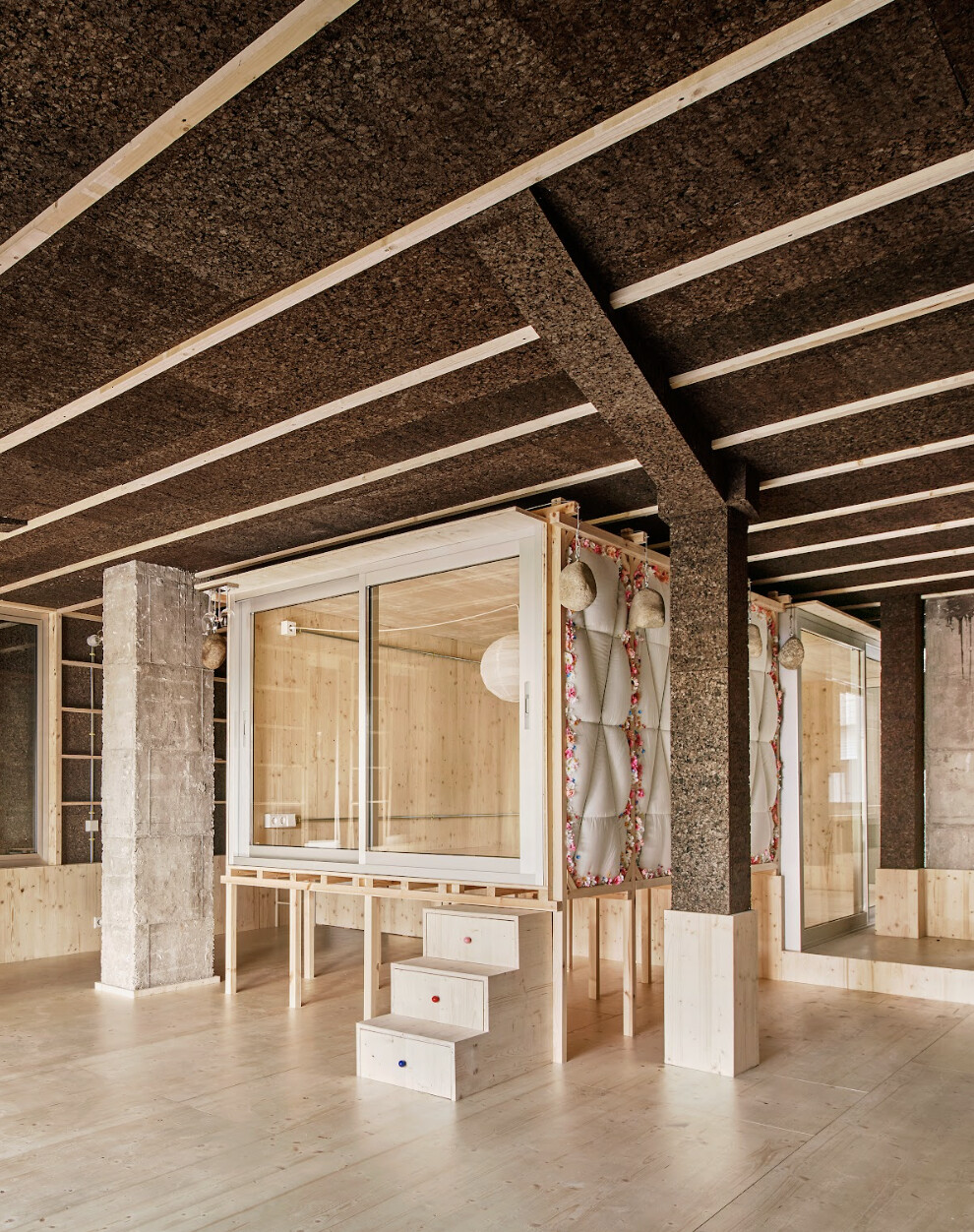
TAKK designs a new temporary indoor structure. TEd’A arquitectes revisits the Moon Ra stage. L’ÉQUIPE architectes rethinks the entrance as a physical transition inspired by car wash tunnels.
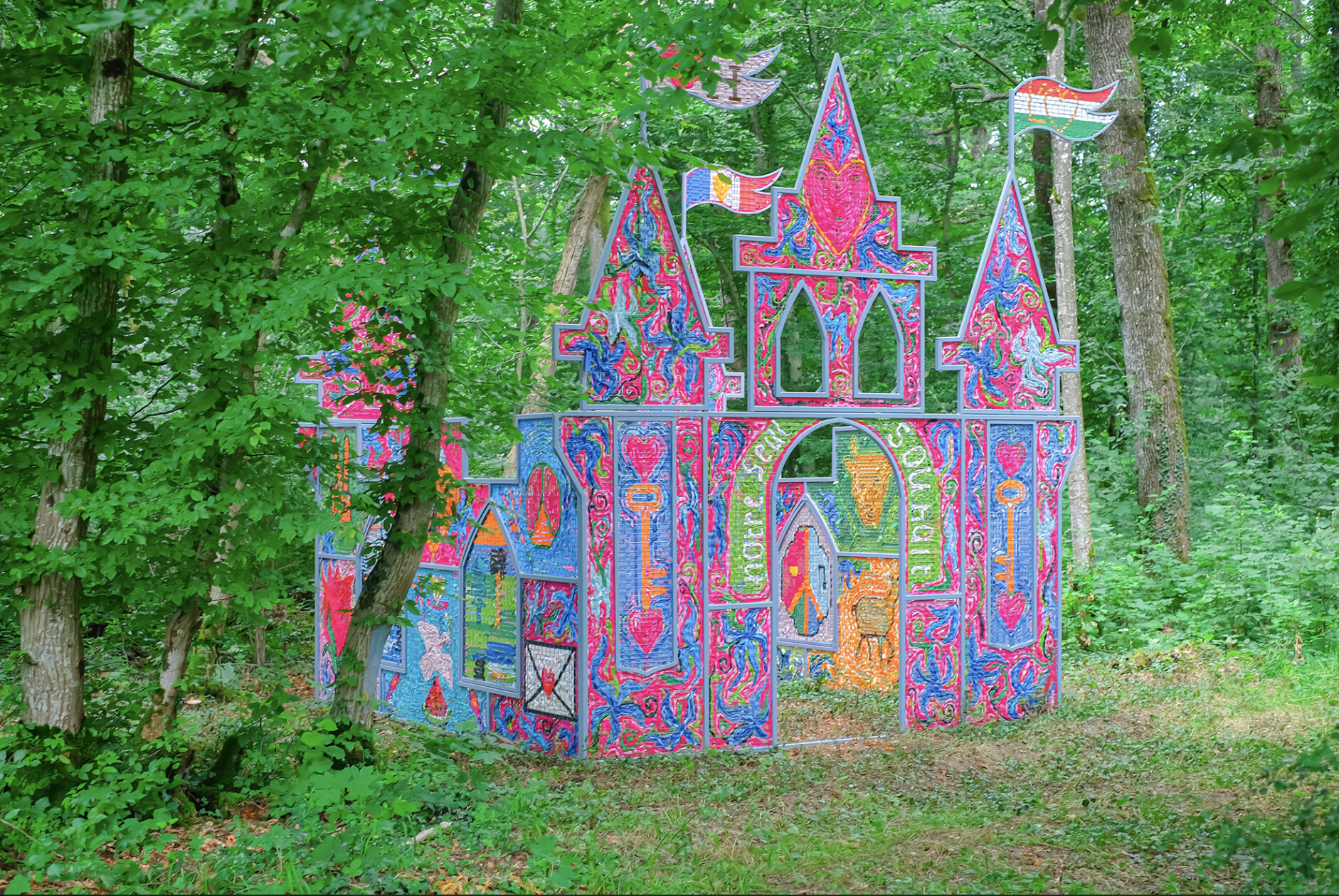
Some installations, including Delphine Dénéréaz’s, will remain after the festival, continuing Horst’s long-term transformation of Asiat Park into a functioning public space.
More than a lineup
The arts & architecture programme unfolds alongside a 120+ artist music lineup balancing international figures and Belgian talent.
What sets Horst apart is not only who plays, but how everything connects. Stages, installations, performances and audiences form a single environment.
Horst 2026 feels less like an event and more like an ongoing construction of shared space.
Applications for the Horst 2026 Atelier open on February 19.