

No products in the cart.
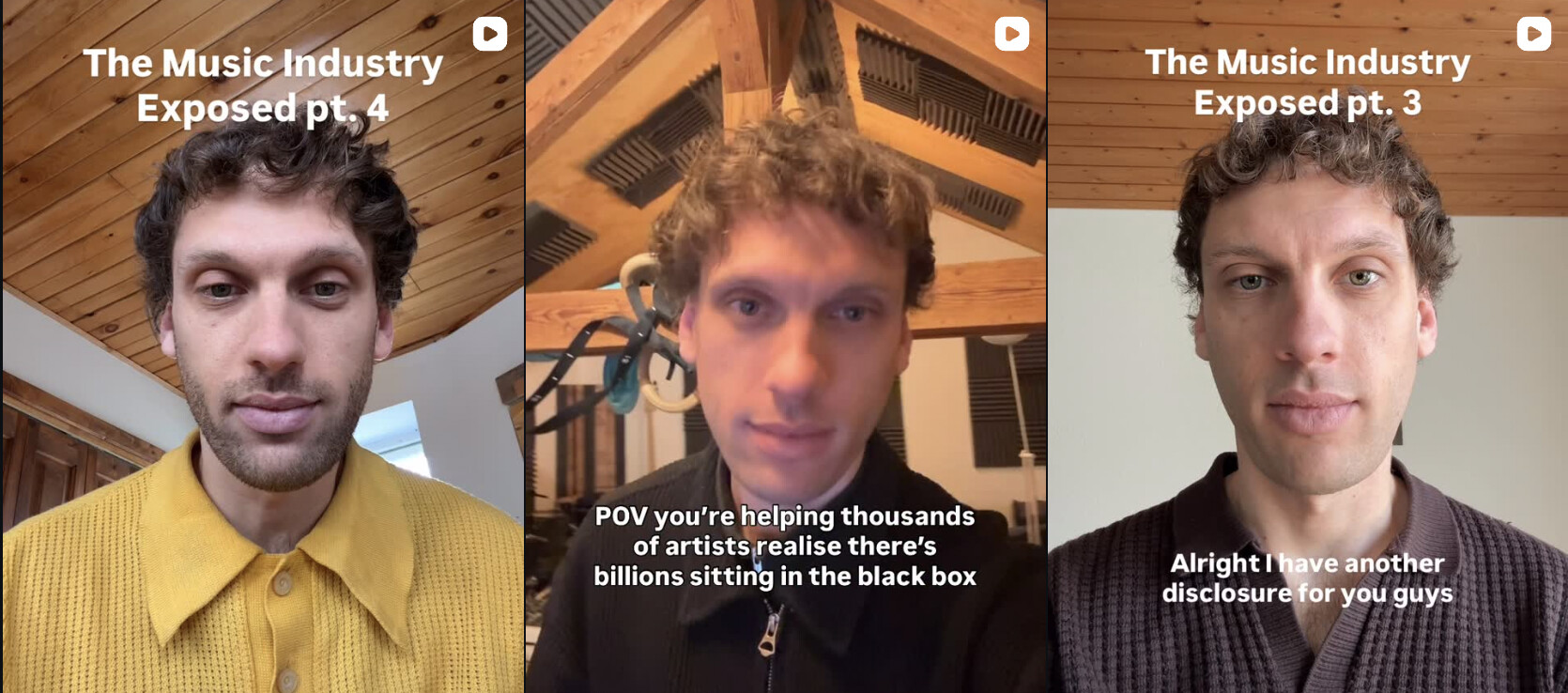
Australian musician Jo Loewenthal, frontman of indie band Tora, has sparked a global conversation after publishing internal communications between music rights organisations, raising serious questions about transparency in the royalty system.
As first reported by Unmixed, Loewenthal obtained a series of internal emails through formal data access requests, revealing exchanges between different Performing Rights Organisations (PROs) regarding his attempts to access his own royalty data. According to the artist, these communications suggest a level of coordination that limited his ability to obtain clear and complete information.
On social media, Loewenthal addressed the situation directly: “They were talking about me behind my back. And I have the emails.” He frames the issue as one that extends far beyond his personal case, arguing that it reflects systemic problems affecting artists worldwide.
According to Unmixed, Loewenthal also identified multiple irregularities in the data he received, including duplicate entries, unexplained negative royalties, and a lack of detailed usage metrics necessary to verify how his earnings were calculated. He criticizes a system he sees as opaque, fragmented, and outdated in the context of today’s digital music ecosystem.
Through his campaign, Loewenthal is encouraging artists to reclaim access to their data under the banner “ARTICLE 15”, referencing data access rights. He advocates for a shift toward what he calls “Direct Programmable Licensing” — a model designed to ensure faster, more transparent, and direct payments to artists. In his view, the current blanket licensing system, originally designed in the early 20th century, is no longer fit for the streaming era.
The situation escalated on April 14, 2026, when Loewenthal filed a lawsuit against Universal Music Publishing Pty Limited in the NSW Supreme Court in Australia. The case could have significant implications for how royalties are tracked, processed, and distributed globally.
Unmixed reports that further investigation is ongoing, with Loewenthal providing extensive documentation to support his claims. Meanwhile, he continues to use his platform to call for greater transparency, urging both artists and listeners to support fairer systems within the music industry.
While the legal process is just beginning, the case is already reigniting a long-standing debate: do artists truly have access to the data that determines their income?
Source: Reporting by Unmixed, combined with statements from Jo Loewenthal’s social media posts.