No products in the cart.
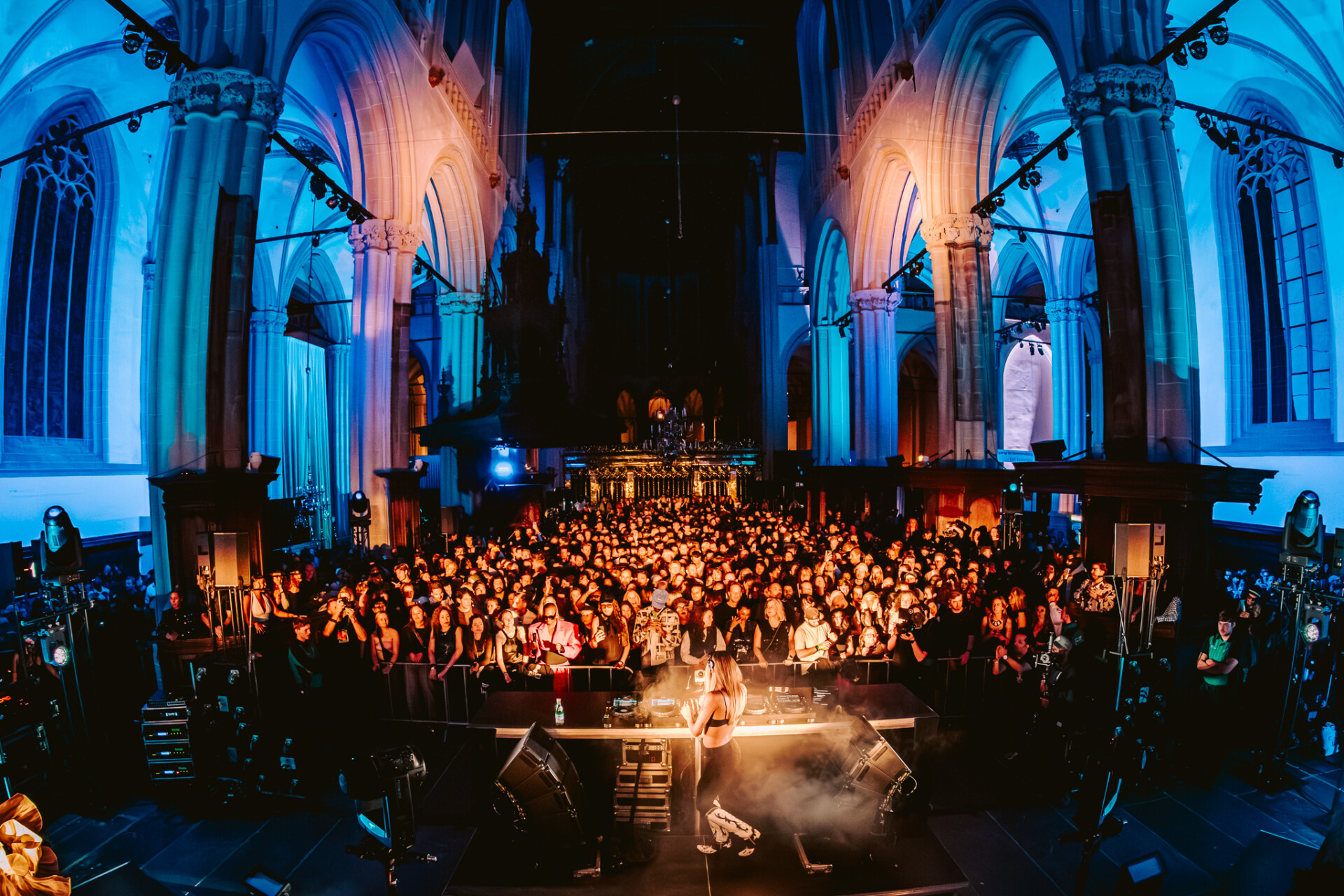
Amsterdam Dance Event has just revealed more than 250 artists in its first 2026 announcement. Avalon Emerson, Jeff Mills, Eris Drew, DJ Nobu, Helena Hauff, Octo Octa, Skepta, KI/KI, Chlär, Folamour, SPFDJ — basically, for five days, a large part of the global electronic music world will be in Amsterdam.
Article en français ici.
This year also comes with an anniversary angle, as ADE celebrates its 30th edition. But beyond the birthday branding, huge line-ups and endless showcases, here is why the trip can actually be worth it whether you are a DJ, an industry professional or simply very committed to dancing.
If you work in music
ADE is still one of the rare moments in the year when labels, agents, managers, promoters, media, distributors and almost everyone who claims they never have time to answer emails end up in the same city.
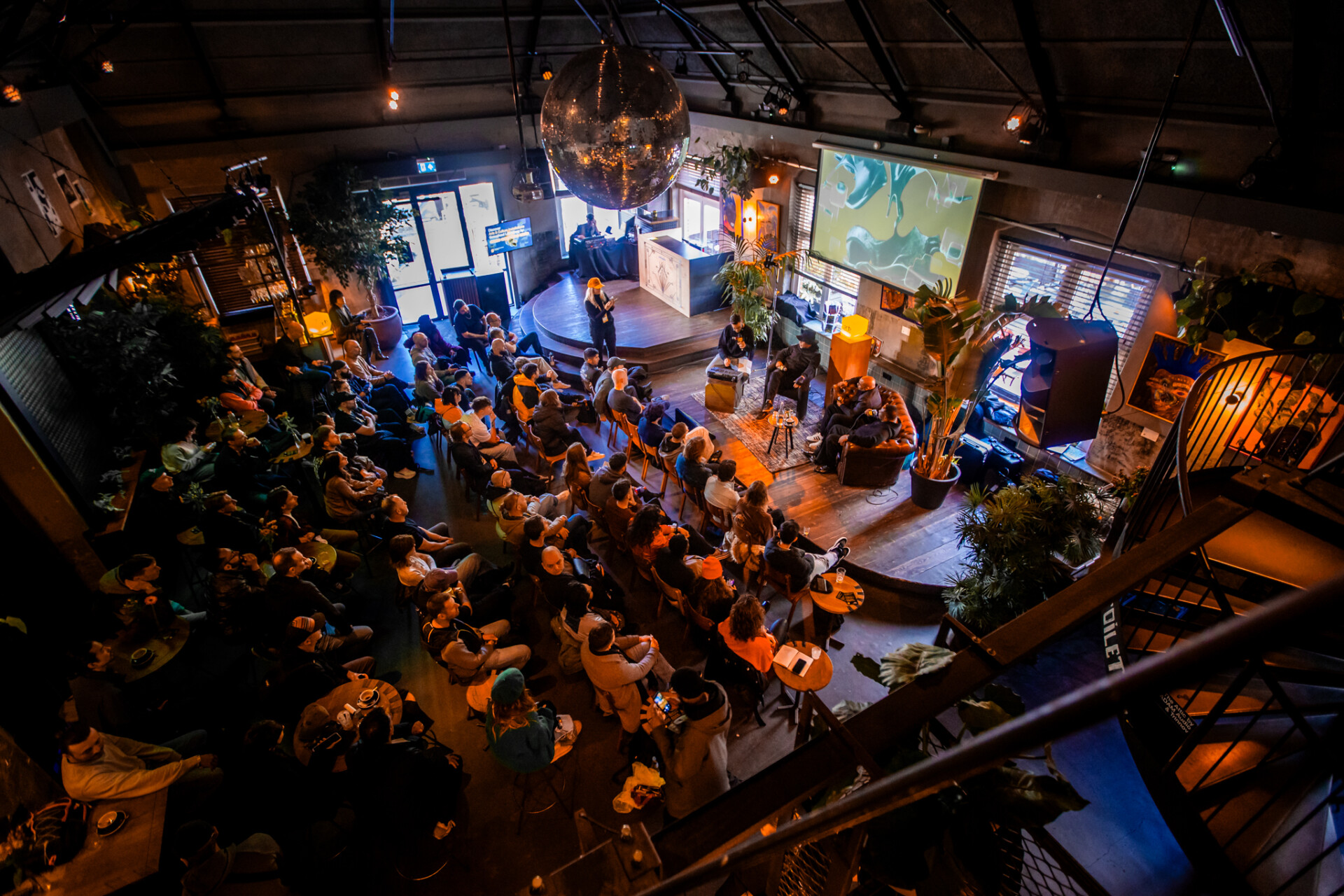
For professionals, the value is not limited to conference panels. A lot of the actual work happens through meetings booked in advance, unexpected encounters, showcases, coffees between sessions and conversations that begin with “we should do something together” — some of which even turn into real projects.
The Pro Pass gives access to conferences and networking spaces, but it will not replace a plan. Arriving with a list of people you want to meet, a few appointments already scheduled and a clear way of explaining what you do can completely change the experience. Otherwise, you may simply walk fifteen kilometres a day while saying that you “met loads of people”.
If you are a DJ or producer
For an artist, ADE can be useful long before you have an official booking.
Labels, agents and programmers are there, but they also receive an overwhelming number of approaches. Sending your latest track to everyone wearing a badge is probably not the strongest strategy. Understanding how scenes are built, attending talks, identifying collectives that genuinely match your musical direction and creating real human connections can be far more useful than a thirty-second pitch in a queue.
ADE is also a good place to understand where your own project sits. Over a few nights, you can hear artists from different generations, countries and scenes. You can see what works in a small room, what disappears inside a huge warehouse, how a label communicates its identity, or how a younger collective builds an audience without booking the same ten headliners as everyone else.
And yes, you can submit demos, meet professionals and attend formats for emerging talent. Just arrive with finished music, accessible links and one understandable sentence explaining your project. “It is a mix of techno, energy and emotion” may not quite be enough.
If you are simply there to party
You obviously do not need an international development strategy to attend ADE.
For ravers, the appeal is the density and range of the programme. The first announcement already moves between Detroit techno, house, hardgroove, bass, trance, UK sounds and much more commercial stages. Venues such as the Gashouder are returning, while promoters including Intercell, DGTL and Into the Woods are preparing multiple events across the city.
The main danger is trying to do everything. Amsterdam looks small on a map, and much less small when your next party is on the other side of the city at 4 AM. Planning three events in one night sounds very brave from your sofa in July. In October, in the rain, with 8% battery, the ambition may collapse quickly.
Choose a few parties you genuinely care about. Leave room for smaller clubs, less obvious line-ups and artists you have not seen before. ADE becomes much more interesting when it does not turn into a tour of the biggest available names.
What makes ADE different
Many festivals gather artists. ADE brings together the people who perform, produce, book, fund, promote, write about and organise electronic music at the same time.
That concentration can be exhausting, occasionally absurd and very expensive if you book late, but it is still rare. Over five days, Amsterdam becomes a place where you can attend a discussion about the future of the industry in the afternoon, discover a young label in the evening, see Jeff Mills or DJ Nobu at night and end up next to a manager who is also trying to remember where they left their bicycle.
ADE’s 30th anniversary will naturally come with a lot of anniversary marketing. Behind that, the event remains one of the best places to observe electronic music as it currently exists: its emerging scenes, power structures, trends, contradictions and the people still trying to build something inside it.
So yes, we recommend going.
Professionals: prepare your meetings.
DJs: prepare your music.
Ravers: prepare your legs.
And everyone: book your accommodation before you end up sleeping in Utrecht.
Bonus : watch this set of Louisahhh recorded in our pop up studio at ADE!