

No products in the cart.
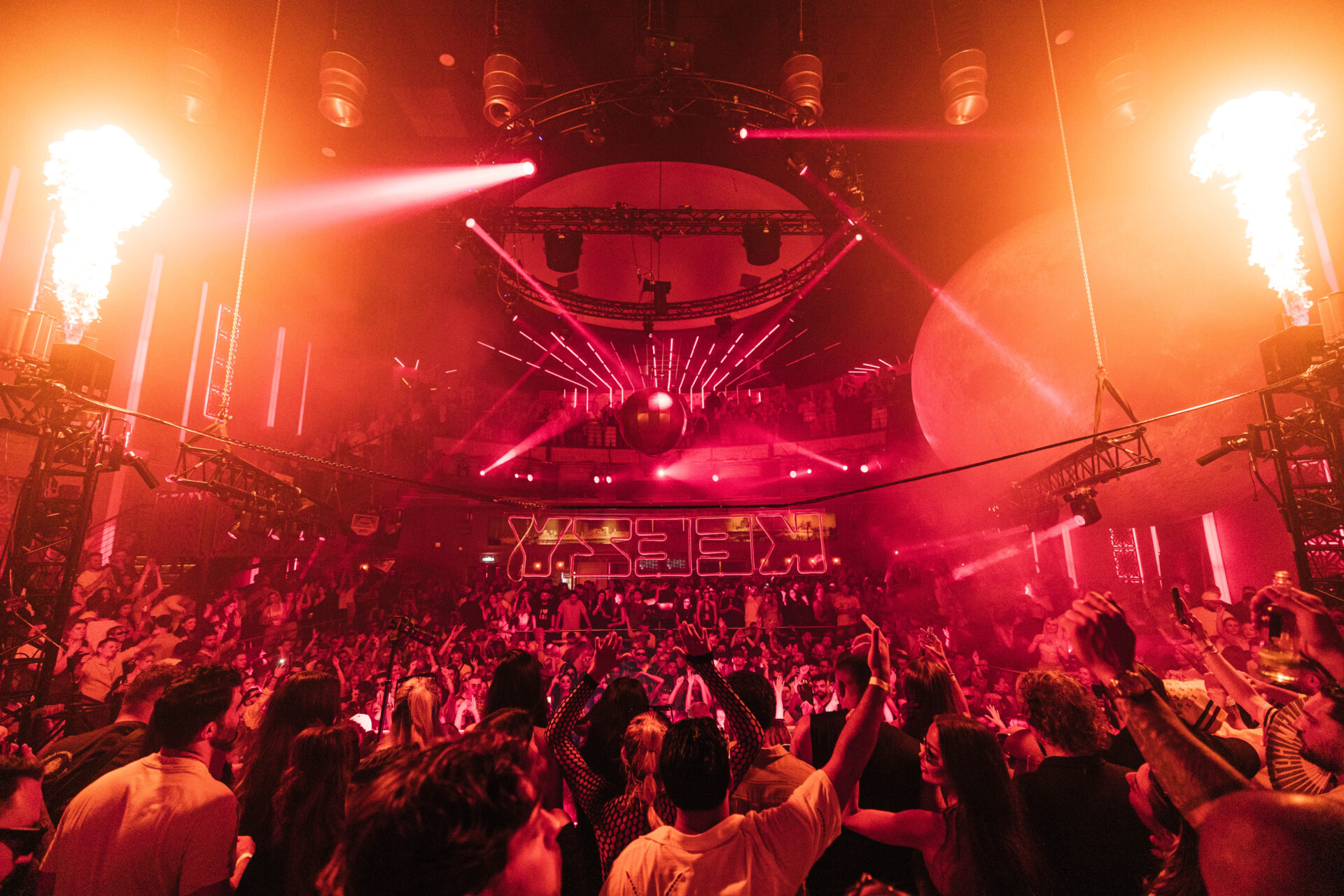
The 2026 season at Kiesgrube was supposed to begin with a familiar image: a major open-air, Peggy Gou on the bill, and the launch of the venue’s 30th year as one of the region’s best-known electronic spaces. Two days later, it was no longer the line-up doing the rounds, but a TikTok accusing the club of discrimination at the door. Since then, management has denied the account, issued refunds, and tried to steady the situation. In the process, it has run straight into a question nightlife knows well but rarely states plainly: when does door policy stop being defensible?
L’article en français ici.
The timing could hardly be worse. On Friday, May 1, Kiesgrube opened its Season 30 at Blankenwasser with Peggy Gou, Dennis Cruz, Roman Flügel, Isabella, and Sandilé. By Sunday, the club was already publishing a statement about freedom, diversity, and community. In between, a TikTok had begun to spread.
In that video, a female visitor says that she and her friends were turned away despite having tickets. She says her friends are originally from Sri Lanka. According to her, staff first referred to their outfits. She then claims that another security staff member told her there were already “too many Black people” at the event, and that this was why her friends were not allowed in.
That line is what changed the scale of the story. Because at that point, this is no longer just about being denied entry — something common enough in club culture — but about a very specific allegation: racial exclusion at the door.
Kiesgrube rejects that version of events. Operator Marcel Oelbracht says the scene did not happen as described. According to him, the woman immediately accused the doorman of racism, and he responded by pointing to the crowd already inside as evidence of its diversity. Oelbracht also says that 90% of the security staff come from migration backgrounds themselves. He repeats that a ticket does not guarantee admission, and says that refusals can happen for reasons such as alcohol or drug use, dress code, or noticeable behaviour in the queue. The venue says refunds were issued and adds that the woman declined a direct conversation afterwards.
The difficulty for the club is that this defence lands in a context where its entry policy is already publicly stated. On event pages linked to the opening, Kiesgrube makes clear that even with a presale ticket, entry may still be refused if someone is considered not to fit the venue’s “vibe” or “special character.” A refund may follow. Legally, that protects the venue. Culturally, it is a different matter.
Because this is exactly where the language of inclusivity starts to strain. As long as selection stays abstract, clubs can present it as a way of preserving atmosphere. Once a public testimony describes that same selection as discriminatory, the terms shift. What had been framed as curation begins to look, from the outside, like something opaque, arbitrary, and potentially abusive.
Kiesgrube is hardly the first venue to get trapped in this contradiction, and it will not be the last. Most clubs that pride themselves on a strong identity live on that same fault line: claiming openness while retaining the right to decide, quickly and subjectively, who belongs. On paper, the balance can hold. In practice, all it takes is one filmed account, one specific allegation, one phrase that sticks, and the whole thing starts to wobble.
That may be what this story really exposes. Not only a dispute between one visitor and one club, and not just another social media controversy, but another crack in the old mythology of the “safe space” that still relies on highly subjective gatekeeping. Who gets in, who waits, who does not “fit,” who is read as matching the room: these are immediate decisions, taken in seconds, often with no real recourse, and they become politically explosive the moment race, appearance, or presumed belonging enters the frame.
At Kiesgrube, the music has abruptly stopped being the main subject. That is often how these things work now. A club can book Peggy Gou, celebrate thirty years, and talk about community — it only takes one short video to drag the focus somewhere much harder. Not “who’s playing?”, but who is really allowed in?