

No products in the cart.
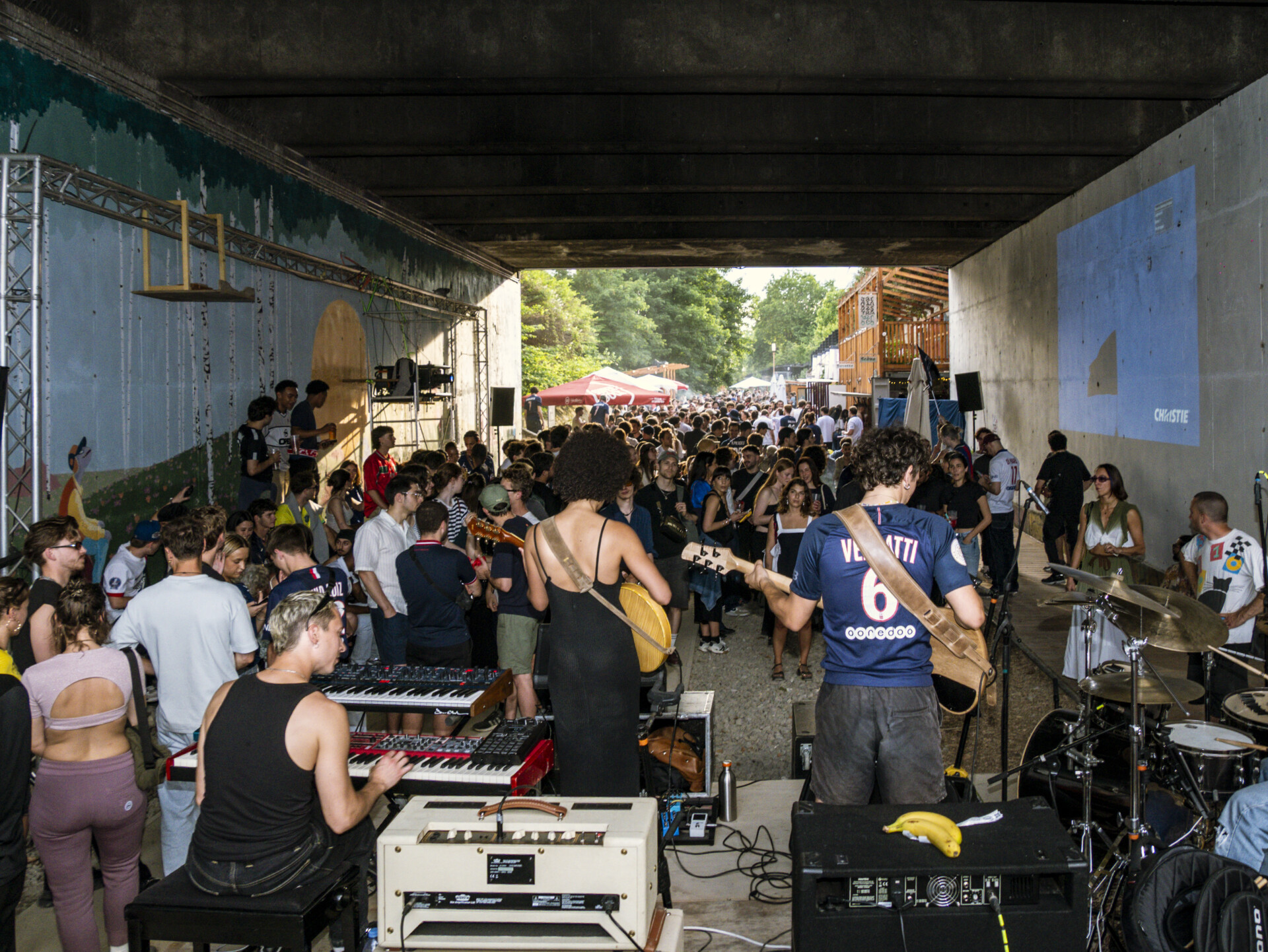
On May 14 at Jardin des Traverses in Paris, independent media platform Partis Basses will host a discussion around an increasingly urgent question in electronic music: should the scene still take political positions, and if so, how? Presented as part of the Chroniques de la Nuit podcast, the event will bring together artists, media voices, collectives, and programmers before continuing into an evening of DJ sets.
L’article en français est ici!
In electronic music, politics has never fully disappeared. It shifts shape, changes language, collides with other pressures, but it remains there. Between rave history, feminist struggles, ecological concerns, the rise of the far right, and a very real sense of activist fatigue, more and more people across the scene seem to be facing the same question: should you speak up, or stay silent?
That is exactly the dilemma at the centre of a new discussion organised by Partis Basses on Thursday, May 14 at Jardin des Traverses in Paris. Initiated by the independent platform founded by Anne Billoët, the event extends the work of the Chroniques de la Nuit podcast and aims to create a collective space for reflecting on what political engagement looks like in today’s electronic scene.
Rather than simply opposing commitment and neutrality, the conversation is set to examine the reasons, hesitations, and contradictions now running through the field. Why do some artists, collectives, media outlets, and venues choose to take clear positions? Why do others hold back? And what do those choices reveal about the current political moment?
The panel will bring together voices already active within the scene, including Vénus Club, Volteface, Deborah Aime La Bagarre, Emma Larbes Riitano from Le Sample, and Groove Your Ass, the antifascist festival born in Montpellier. Together, they will explore topics ranging from programming and antifascism to ecology, mental health, media responsibility, and the conditions for building a more inclusive scene.
Part of what makes the event interesting is its format. After the discussion, the evening will continue with FLINTA DJ sets moving through downtempo, amapiano, and psych rock, extending the conversation without freezing it into theory alone. The choice of venue matters too: Jardin des Traverses, an agri-cultural space built along the Petite Ceinture in Paris’ 18th arrondissement, reinforces the idea of an event shaped around dialogue, conviviality, and collective experimentation.
At a time when electronic culture is often framed through line-ups, trends, and commercial momentum, this kind of initiative is a reminder that it can still function as a space for debate, positioning, and political friction. And perhaps the real question is not only whether the scene should engage, but what it becomes willing to tolerate when it does not.