

No products in the cart.
Link for the english version : https://clubbingtv.com/fr/repression-ou-prevention-quest-ce-qui-protege-vraiment-en-matiere-de-drogue/
Le projet de loi Riposte visant à renforcer la pénalisation de l’organisation de rave parties évoque, entre autres, une lutte contre la consommation de drogue dans les lieux de fête. Que disent les études en matière de répression des drogues ? Sont-elles efficaces ? Est-ce l’enjeu de santé publique qui est véritablement en jeu ?
Retour sur la base légale française : la loi de 1970
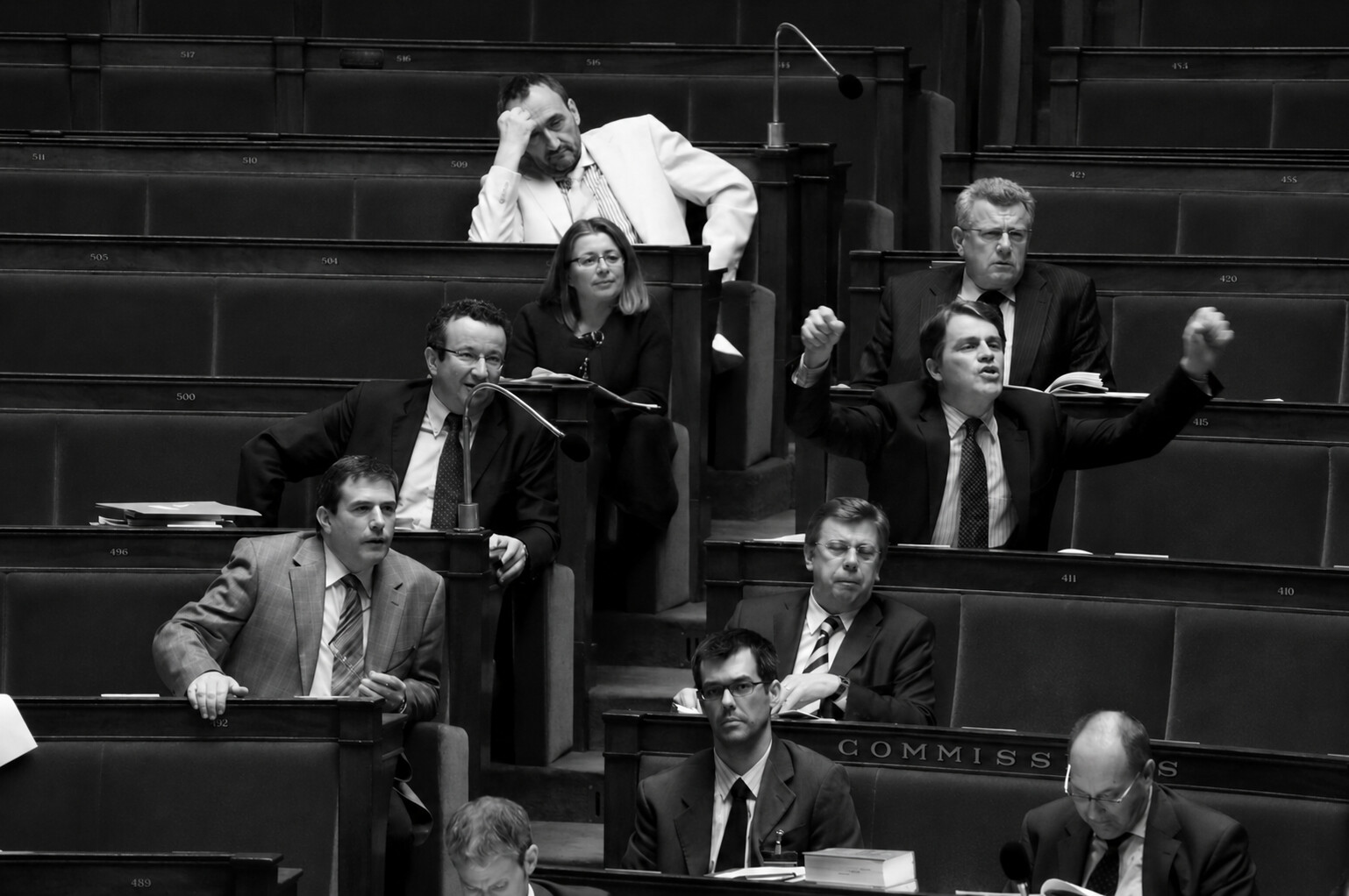
En août 1969, une jeune fille meurt d’une overdose à Bandol, dans le sud de la France. Les médias se saisissent de cet événement certes tragique, mais exceptionnel et diffusent un vent de panique morale en nommant la drogue comme « cancer qui ronge la jeunesse ».
Suite à cet événement, quelques mois plus tard, dans un compte rendu d’auditions parlementaires sur l’usage des drogues, le député gaulliste Alain Peyrefitte parle de “dégradation des mœurs de la société”, en mettant sur le même plan les communautés délinquantes, la prostitution et l’homosexualité.
Malgré tout, c’est sur cette base que fin 1970, une loi est votée permettant à la police et à la justice des moyens exceptionnels : gardes à vue allant jusqu’à 96h ou encore peines d’emprisonnement pour les consommateurs. Le syndicat de la magistrature pointe une loi mettant en péril les libertés. Cette loi fait de la France un des pays les plus répressifs en matière de consommation de drogue en Europe.
La loi porte aussi un volet sanitaire pour l’usager, considéré comme un malade, et un traitement gratuit et anonyme. Aujourd’hui, la logique prohibitionniste de la loi de 1970 n’a pas vraiment changé. Et le cadre de celle-ci, trop rigide, entrave souvent la mise en œuvre du volet sanitaire. La loi interdisant toute substance classée est en permanence en contradiction avec la mise en place de réelles politiques de santé publique.
Ce que disent les sciences sociales
Dans une perspective sociologique, la classe détenant le pouvoir politique et économique détient aussi le pouvoir en matière de norme culturelle. Selon le sociologue britannique Howard S. Becker, le monde politique tend à diaboliser les contre-cultures en tant qu’ennemi idéologique, car elles représentent une menace pour l’ordre établi. On comprend alors que la question n’est pas réellement celle de la drogue, mais de qui consomme de la drogue.
Le fait de pointer du doigt les consommateurs des contre-cultures revient à diaboliser une partie de la population. Et oublier sciemment que la drogue n’est pas l’affaire de ces dernières. Les études en sociologie montrent que les usages de drogue concernent toutes les classes sociales. La consommation de cocaïne, par exemple, concerne essentiellement les couches supérieures de la société, notamment au vu de son prix.(en chute depuis peu) Pourtant, les politiques et les médias en parlent rarement.
D’autre part, la sociologie montre que la répression, d’une manière générale, tend à renforcer l’enracinement dans la contre-culture qui cimente un sentiment de cohésion et d’appartenance. La répression renforce alors l’attractivité du mouvement, en cristallisant la tension et l’absence de dialogue.
L’expérience du terrain : les associations de réduction des risques
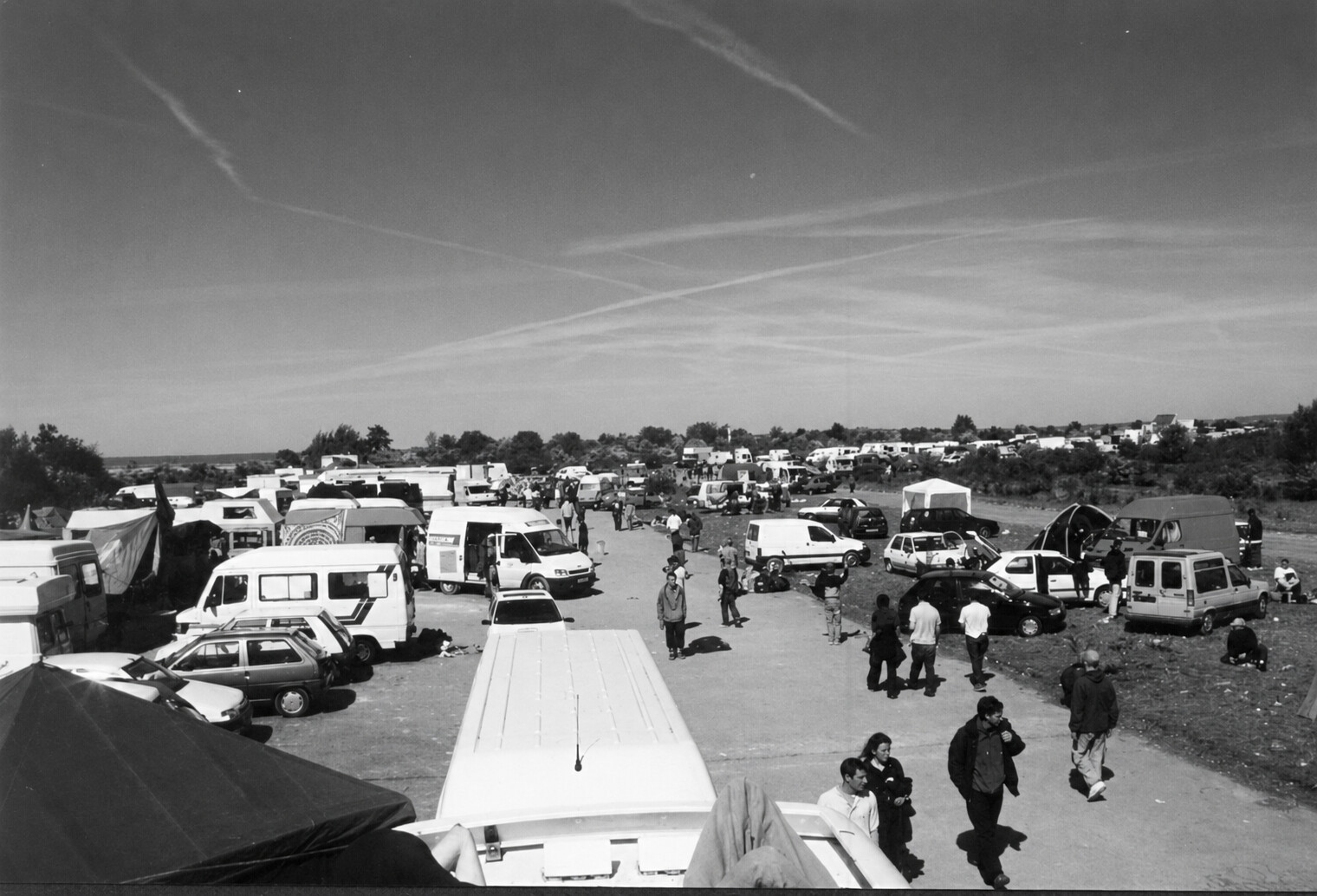
Les observations des associations démontrent que la présence de drogues dans la culture rave ne rime pas avec absence de règles et de régulation sociale. Il existe parmi les participants, des pratiques de réduction des risques liées aux usages : règles d’hygiène, gestion des effets d’associations de drogues, entre autres. Elles se transmettent des participants les plus expérimentés aux plus novices. Par ailleurs, il existe aussi un seuil d’acceptabilité concernant le comportement sous psychotrope. Notamment ceux interférant avec les valeurs d’introspection, de communion avec les pairs et de musique.
Malgré tout, les dispositifs de prévention restent essentiels. Notamment pour les plus jeunes avides d’expérience. Le manque de connaissance sur le produit peut mener à des incidents, bien que souvent mineurs, pour la santé des usagers. Cela mène à des situations où des personnes ayant surconsommé se retrouvent prises en charge par les forces de l’ordre, inexpérimentées pour ce genre de situation. En plus d’être contre-productif, ça tend à créer un rapport distant avec les organisateurs, notamment dans les free-parties. Toute action institutionnelle est perçue comme une source de menace.
D’autre part, l’interdiction du « testing psychoactif » en 2005 est aussi un frein à une consommation plus sécurisée. Avant 2005, le dispositif permettait l’instauration d’un dialogue anonyme et non culpabilisant entre associations de prévention et usagers et une meilleure qualité des informations recueillies en matière de produit. L’interdire, c’est laisser la porte ouverte à la consommation à risque : produits de coupe, molécules dangereuses vendues sous un autre nom…
Les associations témoignent de la difficulté rencontrée à faire reconnaitre leur travail auprès des forces de l’ordre. Ces dernières sont souvent associées aux organisateurs et subissent les contrôles d’identité, les fouilles au corps et des véhicules. Cela, associé à la fragilité des financements publics et à un travail reposant sur de l’engagement bénévole, continue de fragiliser le tissu de prévention en France.
Le fossé entre les politiques et la recherche ne cesse de se creuser. Si la question est un enjeu de santé publique : pourquoi l’alcool est-il légal alors que, selon l’Observatoire français des drogues et tendances addictives, les risques de consommation à long terme documentent entre autres : cancers, dommages au foie, destruction des neurones… Tandis que les risques associés du LSD, par exemple, ne documentent pas d’effets négatifs à long terme ?
Les experts français et internationaux s’accordent à dire que la prohibition cristallise le problème plus qu’elle ne le résout. La pénalisation de la consommation ne réduit pas cette dernière, mais augmente les risques de santé publique. En effet, plus la répression est systématique, plus la clandestinité se renforce. Le débat ne doit pas se limiter aux défenseurs de l’ordre moral d’un côté et aux libertaires de l’ordre de l’autre.
Réduction des risques : la base
Entendons-nous bien. Il n’existe pas de consommation sans risque. La meilleure réduction des risques ne rendra pas le produit moins dangereux. Elle vise à diminuer les méfaits en donnant aux usagers des conseils pratiques et des moyens concrets pour diminuer les risques spécifiques de leur consommation. Il existe deux volets : celui individuel et celui propre à la politique du lieu de fêtes (club, warehouse, festival, free)…
La base de la réduction des risques individuelle :
- Fractionner les prises,
- Espacer les consommations dans le temps, ménager des moments de repos (récupération),
- Éviter les mélanges,
- Manger et s’hydrater régulièrement,
- Ne pas consommer seul,
- Connaître le produit que l’on prend (sa composition mais aussi ses effets et contre-effets),
- Ne pas consommer de produits psychoactifs si l’on conduit.
Des dispositifs pertinents en lieux de fête :
- Une équipe formée à la RDR, installée à un stand et mobile sur le lieu,
- Une table avec du matériel (flyers informatifs sur les différentes substances, pailles à usage unique, sérum physiologique),
- Une salle de redescente pour les personnes qui auraient trop consommé.
crédit photo : Wikimedia commons
sources :
https://shs-cairn-info.docelec-u-paris2.idm.oclc.org/revue-psychotropes-2021-3-page-87?lang=fr
https://droit-cairn-info.docelec-u-paris2.idm.oclc.org/revue-deliberee-2018-1-page-10?lang=fr