

No products in the cart.
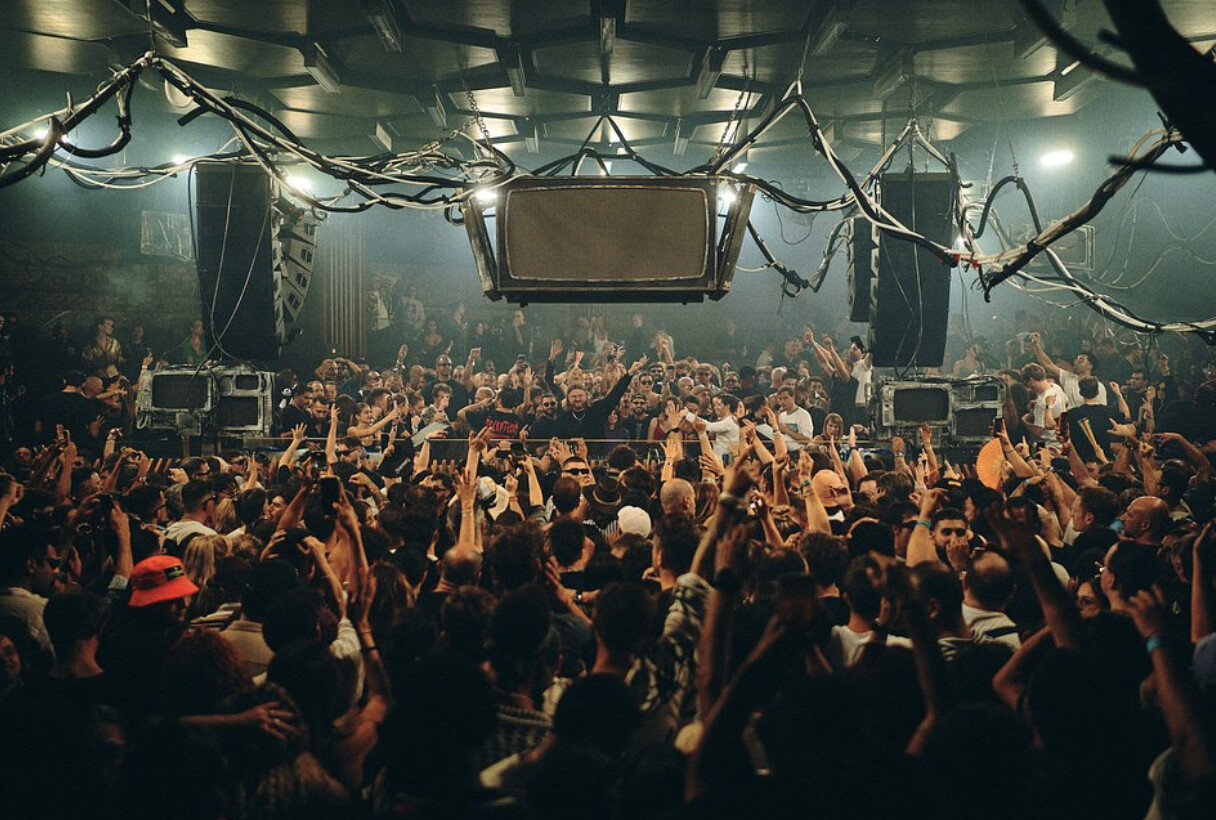
Since 2017, Solomun+1 has been handing out a small flyer at Pacha Ibiza. Not a military-style rulebook. Not a threat. Not a “no phones” policy turned into a marketing slogan. Just a simple reminder: we came here to dance, not to document the night endlessly.
Article en français ici.
The message is short. Filming is not forbidden. Taking a memory home is fine. But keep it brief. Never use flash. Don’t hold your phone above everyone’s head for minutes. Don’t forget that behind the screen, there is a dancefloor, there are faces, and there are people who may not want to end up in a stranger’s story at 4am.
That is exactly why the initiative matters. Solomun+1 is not trying to ban phones. The flyer says it clearly: they are not here to set strict rules, and they are not in a position to forbid anything. They are doing something else, maybe something more useful: they are educating people. They are reminding clubbers that nightlife culture is built on trust, respect and shared responsibility.
Because the real question is not “are phones evil?” Of course not. We have all filmed a moment before. We have all wanted to keep a trace of a track, a light, a scream from the crowd, a few seconds that felt too good to disappear. The problem starts when filming becomes stronger than being present. When the phone is no longer there to save a memory, but to prove that we were there.
There is also a very practical question of respect. Flash in a club is aggressive. For the artists, for the people around you, for the atmosphere itself. Filming someone without their consent in a moment of release is not neutral either. Clubs are supposed to be spaces where people can become a little blurry, a little freer, a little less watched. If every dancefloor becomes a permanent content zone, something is lost.
That is why the tone of the flyer is important. It does not shame people. It does not talk to the audience like children. It does not say, “you are ruining everything.” It says, basically: we trust you. We believe you can understand. We believe you can look after the people around you. And if someone forgets, remind them kindly.
That may be more powerful than a total ban. A ban can create frustration, resistance, or even the little thrill of “I managed to film anyway.” Education tries to change the gesture at its source. It does not only say “don’t do this.” It explains why the gesture affects other people’s night.
“Dance first — film later” works because it does not demonise images. It simply puts the priorities back in the right order. First the dancefloor. First the people. First the sound. First the moment. Then, maybe, a few seconds of video.
At a time when many events rely on online visibility to sell themselves, this kind of message brings back something essential: a good night should not only be measured by the content it produces. It should also be measured by the space it gives people to let go, to be present, to trust the room.
And if clubs really want to protect their atmosphere, the answer may not only be taking phones away at the door. It may also be teaching people how to use them with awareness. Film less. Film better. Never use flash. Don’t film people too closely. Don’t turn every drop into a social obligation. And before pressing record, ask yourself: am I still living the night, or have I already left it?
The Solomun+1 flyer may be small, but its message is bigger than phone etiquette. It is about club culture. About the fragile pact between artists, audience and venue. About the invisible thing that makes a night work: the feeling that we are together, really together, in the same place, at the same time.
And no phone will ever capture that properly.