

No products in the cart.
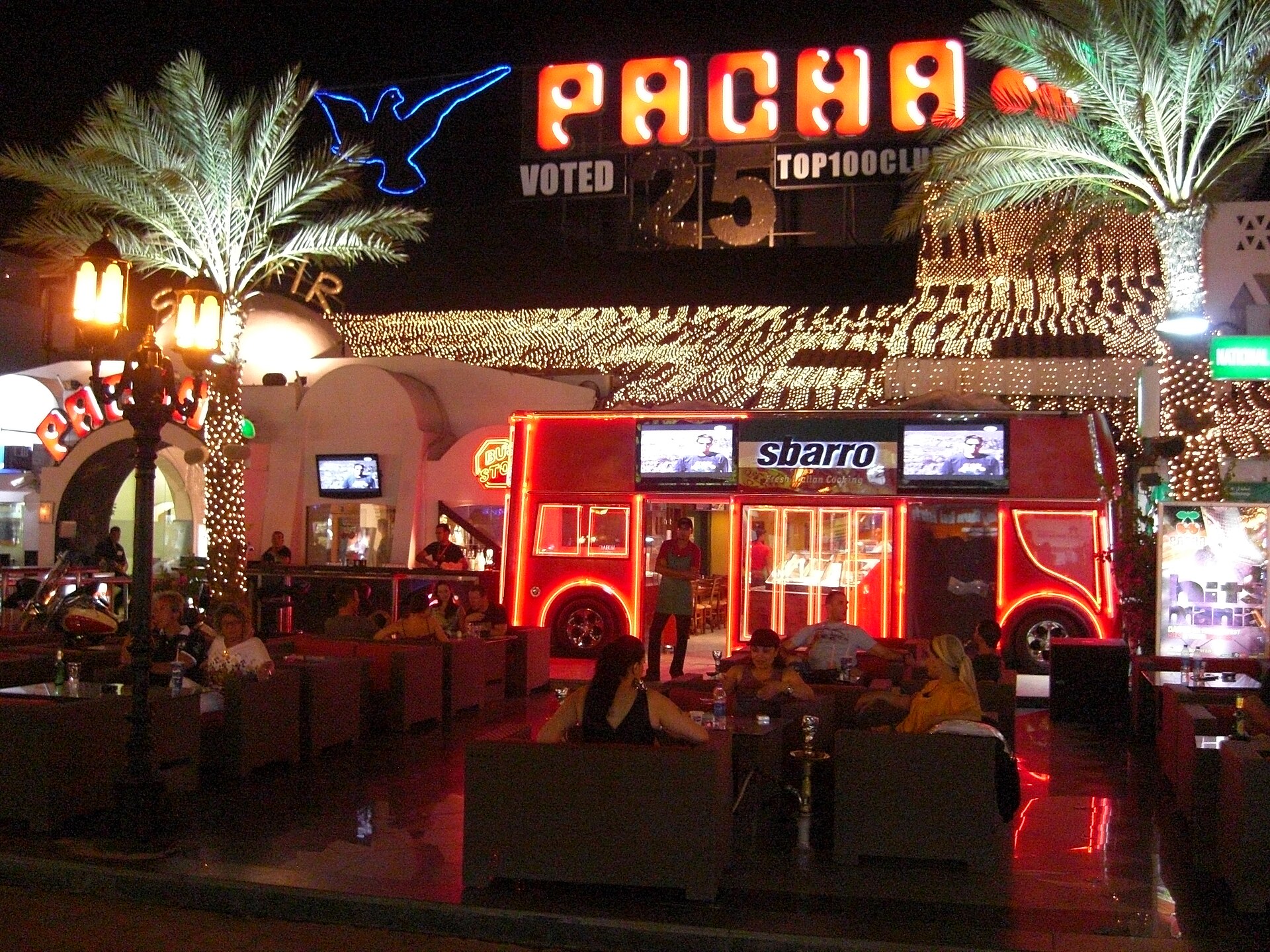
There are clubs you visit as simple places to party. And then there are clubs you walk through like pieces of history, places able to transport you into another time. In Ibiza, some clubs represent far more than excess, VIP culture and endless partying: they also tell the story of club culture itself. Let’s look back at the early days of one of the island’s most iconic venues: Pacha.
The club with the cherries has become one of Ibiza’s strongest symbols. It is a place where Mediterranean hedonism, club culture, the hippie freedom of the 1970s and the transformation of Ibiza into the world capital of nightlife all come together.
Founded in 1973 by Ricardo Urgell, Pacha was born in an Ibiza that was still far from the ultra-globalised image it embodies today. Back then, there were few roads, wild nature, and an island attracting artists, travellers, outsiders and dreamers looking a freer way of living, a more organic relationship with partying, and a lifestyle outside the mainstream.
Originally, the club was a small farmhouse on the outskirts of Ibiza Town. But Ricardo Urgell saw the potential of the island’s emerging party scene and transformed the place into a nightclub. Very quickly, Pacha established a singular identity, one it still tries to preserve today: chic without being stiff, free-spirited with a touch of elegance, festive without falling into excess. Over more than fifty years, the club has become a global reference in nightlife.
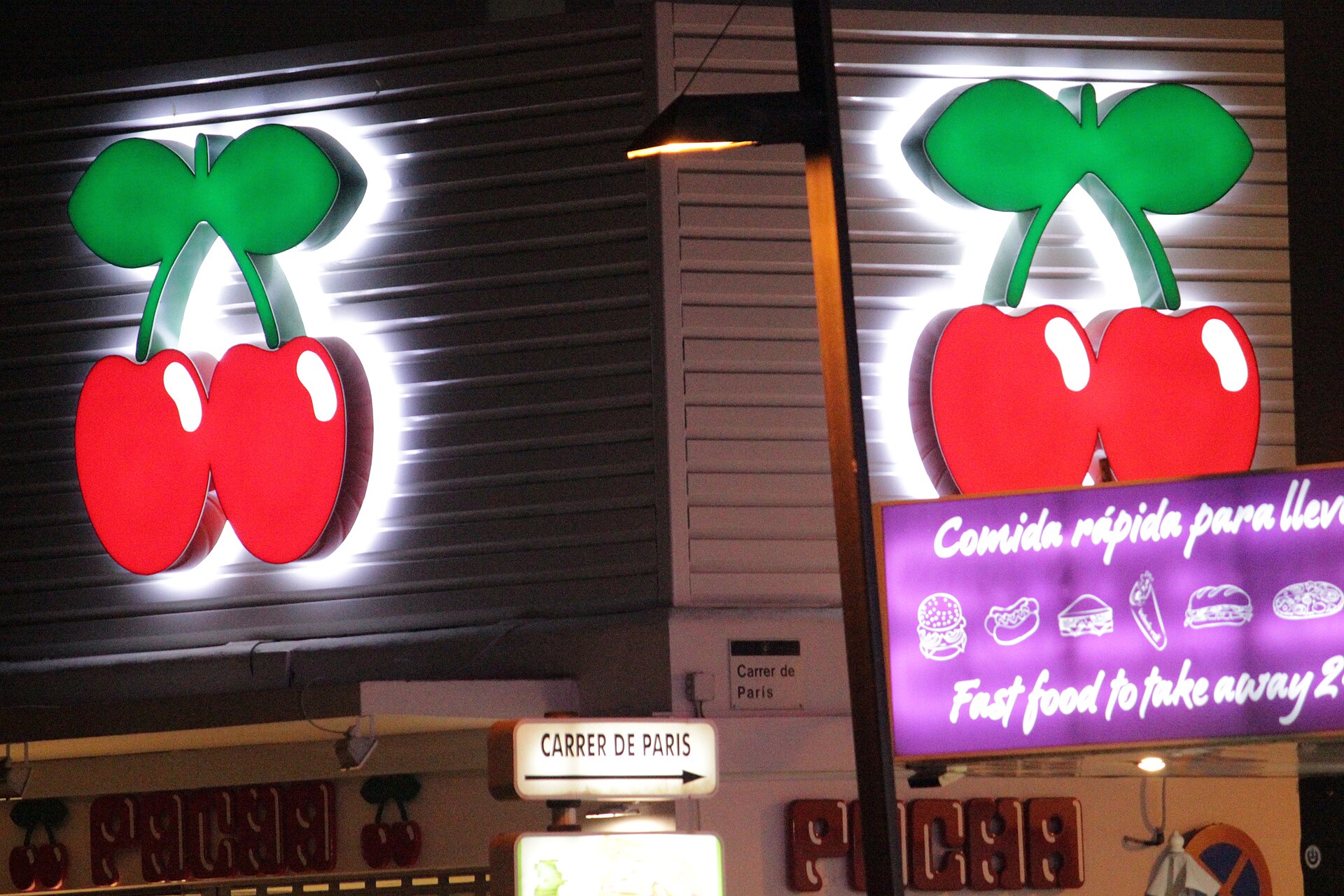
The famous red cherries, now one of the most recognisable logos in club culture, also tell part of that story. They evoke carefreeness, desire, playfulness, seduction and a certain idea of accessible luxury. Even if Ibiza may no longer fully embody that accessibility or effortless identity, Pacha remains a mythical venue.
2026 Season: still an all-star celebration of eclecticism
Pacha Ibiza’s official calendar brings together several major residencies this year, including Solomun+1, Sonny Fodera, Music On, Abracadabra, Flower Power, Robin Schulz, Chris Stussy, Vintage Culture, Shimza & Co, Purple Disco Machine, MAU P, GORDO, RÜFÜS DU SOL …
On Mondays, Sonny Fodera opens the week with modern, vocal and unifying house music.
On Tuesdays, Pacha leans into a more flexible format, with artists such as Chris Stussy and special limited events, including RÜFÜS DU SOL, who will take over every Tuesday throughout July.
On Wednesdays, Abracadabra by BLOND:ISH brings a more spiritual, sunny and immersive atmosphere, naturally rooted in house music, one of the island’s signature sounds. BLOND:ISH will be joined on the line-up by artists such as Patrick Topping, Salomé Le Chat, and even Marco Carola.
On Thursdays, Shimza & Co opens the programme to more global influences, particularly around afro house. Across a limited number of Thursdays, Purple Disco Machine will also bring his format to the club, with artists such as Cerrone and David Bay, offering a more nostalgic touch.
On Fridays, Music On remains one of the strongest pillars of the season. Led by Marco Carola, the residency clearly marks the start of the weekend with a rawer tech house sound, sometimes edging closer to techno.
On Saturdays, with Robin Schulz, as well as historic concepts such as Flower Power and Pure Pacha, the club speaks to several generations at once. Flower Power holds a special place in this story: it recalls the island’s hippie roots and the original spirit of Ibiza.
On Sundays, it is time for Solomun+1, a format that needs no introduction. In 2026, the residency returns to Pacha from May 31 to October 4, every Sunday with a different guest artist.
Between memory and industry, Pacha continues to tell the story of Ibiza
Pacha’s strength in 2026 lies in this tension. The club has become a global machine, fully integrated into the economy of entertainment. Yet it still holds a very strong symbolic capital.
In Ibiza, Pacha is a cultural marker. It embodies the island in all its contradictions: a free island that has become luxurious and premium, a bohemian island that is now highly professionalised.
Its 2026 season nevertheless remains faithful to its identity and to its deeper desire to understand, accompany and embody club culture through its current transformations. Pacha continues to do what it has been doing for more than fifty years: translating the spirit of Ibiza into the language of its time.
In 1973, that meant a white finca, artists, travellers and a certain idea of freedom. In 2026, it means international residencies, a carefully curated programme and an experience designed for an audience looking for much more than just another night out.
Whatever people may say, Pacha is and will remain a monument of celebration, a symbol of nightlife and one of Ibiza’s most emblematic venues.
photo credits: Wikimedia Commons