
No products in the cart.
Lien vers l’article en français : https://clubbingtv.com/fr/votre-fanatisme-est-dangereux/
The recent defamation lawsuit won by a figure from the international techno scene regarding sexual and gender-based violence allegations calls for a real reflection on the weight fan communities can have on public opinion. To what extent can a community become blinded by its fanaticism? You probably think the word is too strong. But no. You have turned dangerous people into living gods. By giving them economic power, by attending their shows, but above all by giving them moral power, elevating them as “kings”, “bosses”, “saviors”. By feeding the belief that everything could remain unpunished. And eventually, these people start believing it themselves.
A quick “Fan Studies” reminder: what is a fan?
From the Latin fanaticus, literally “inspired by divinity”, then “possessed”, “exalted”, “in a religious trance”.
Historically, the term implies passion, enthusiasm, irrationality, and excess in religious, political, or philosophical commitment. Over time, the religious connotation faded. Fan studies have even shown that fan communities can actively contribute to cultural enrichment, the circulation of artworks, and the creation of positive communities. Today, those are not the fans we are talking about.
We are talking about those who irrationally encourage a personality in their megalomaniac delusion. Those who participate in the construction of symbolic impunity. Those who shape public opinion through blind support for a supposedly innocent person just as much as they should remain potentially guilty, even though the presumption of innocence is obviously a fundamental right.
Because defending the presumption of innocence should never mean turning someone into a martyr before even understanding the mechanisms at play.
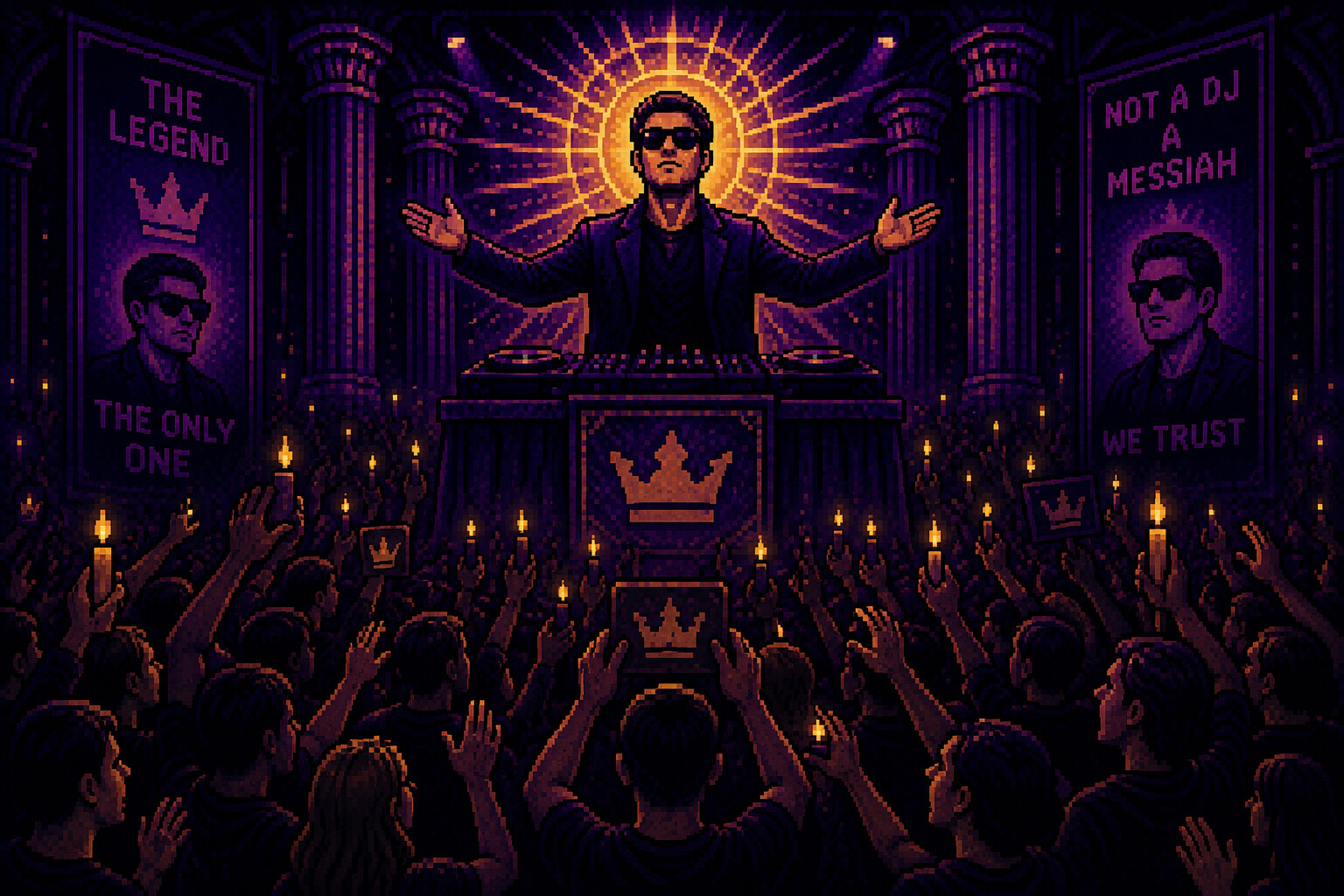
A sacred figure: the DJ
Of course, we are talking here about a general pattern. No one is being specifically targeted 🙂 But this mechanism constantly repeats itself in certain spaces of the hard techno scene in particular. And to understand this phenomenon, nothing is more revealing than a semiological analysis of comments posted under these artists’ posts.
“The king is finally free.”
“Now time to conquer the planet.”
“Truth over noise.”
“Time for vengeance.”
“We stand. Now we eat.”
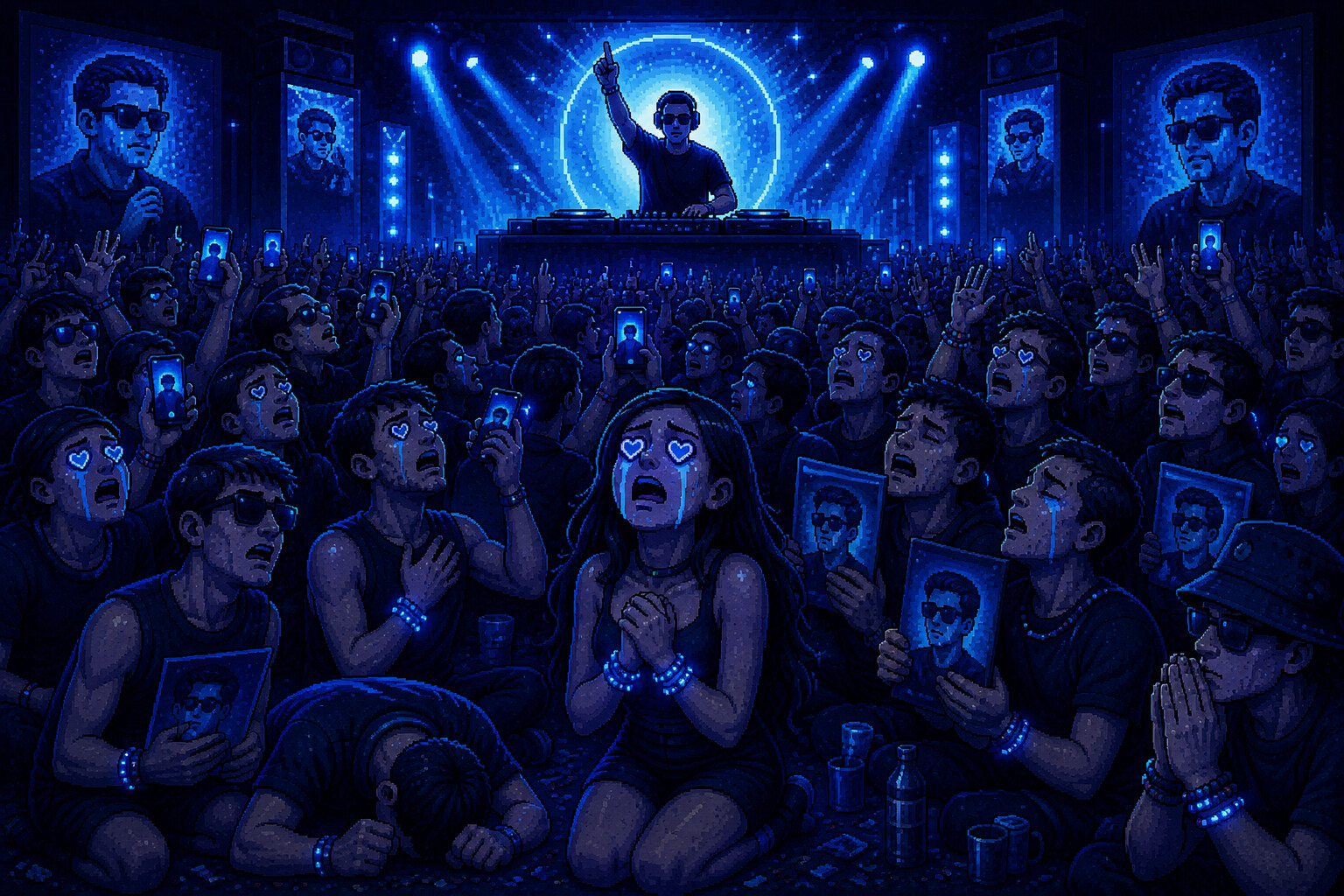
What makes this a fascinating case study is not the support itself. Supporting an artist you admire is not abnormal. It is the vocabulary, the words, the choice of words that say far more than we think about the sociological profile of these communities. The semantic field is one of royalty, war, reconquest, moral purity, revenge. The DJ becomes a messianic figure, a hero returning from war, a fallen angel. The metaphor could go on forever. And like all forms of fanaticism, the more idealized the figure becomes, the more any criticism is experienced as a personal attack against the community itself. The artist is no longer a flawed human being who can morally be held accountable. He becomes a martyr figure to protect. And that is ideological. That is dangerous. It perpetuates impunity, rape culture, and fantasies of absolute power.
“Truth over noise”: when victims become noise
One comment is particularly disturbing: “Truth over noise.”
A terrifying opposition. Victims are “noise”?
This is probably one of the most violent aspects of this entire mechanism. In this staging of rehabilitation, alleged victims completely disappear from the narrative. They become “noise”. A media nuisance interfering with the triumphant return of the hero. It feels dystopian.
What makes it violent is that these are performative comments. You are actively creating an opposition between reason and madness, discrediting victims’ testimonies and undermining decades of feminist struggle.
No matter the facts.
No matter the contradictions.
No matter the power dynamics.
No matter the statistics on sexual and gender-based violence in nightlife and cultural spaces.
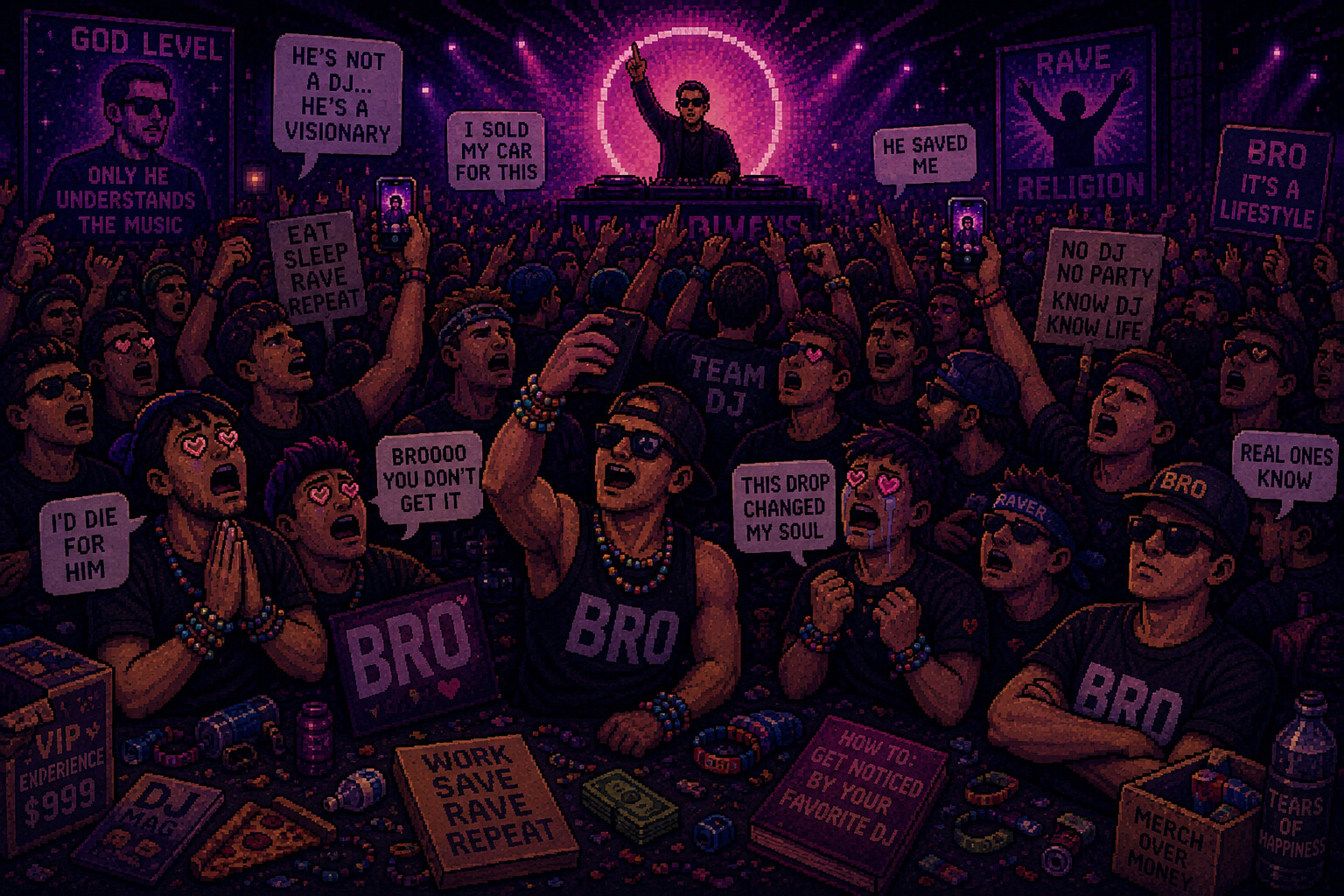
The Instagram trial: justice turned into storytelling
Some comments go even further into irrationality:
“We believed you babe.”
A form of absolute belief in the divine, almost like an intimate relationship. Honestly, it is disturbing. A fantasized closeness that, by definition, does not exist. The fan feels like they “know” the artist, while in reality they only know a carefully mediated image of him. And within this framework, defending the accused artist sometimes unconsciously means defending one’s own fantasy. Accepting the possibility of violence would also mean accepting that the desired, admired, idealized, sometimes eroticized figure could actually be deeply disappointing, even disgusting.
The SLAPP lawsuit
The legal victory is staged here as an act of total domination. A way to reclaim control over the media narrative. A long-awaited revenge. The return of the king. But one thing must be remembered: winning a defamation lawsuit does not automatically mean that no violence ever occurred.
A SLAPP lawsuit (Strategic Lawsuit Against Public Participation) refers to legal action used to intimidate, exhaust, or silence someone who has spoken publicly. The goal is not always to “prove innocence.”
The goal can be to:
discourage others from speaking out;
financially exhaust the opposing party;
create a climate of fear;
regain control of the media narrative;
produce a symbolic victory that can be exploited on social media.
And that is exactly what is happening today. What is being served to you is a perfectly calibrated crisis storytelling strategy, one that will continue reproducing itself every time DJs are publicly accused. Because they know very well the real war is not fought in court. The real power lies in public opinion. Very few people actually read legal decisions or look further than a simple “I won.” That is the redemption narrative they are willing to feed you.
Your fanaticism is not neutral. You are involved
Illustrations : AI generated