

No products in the cart.
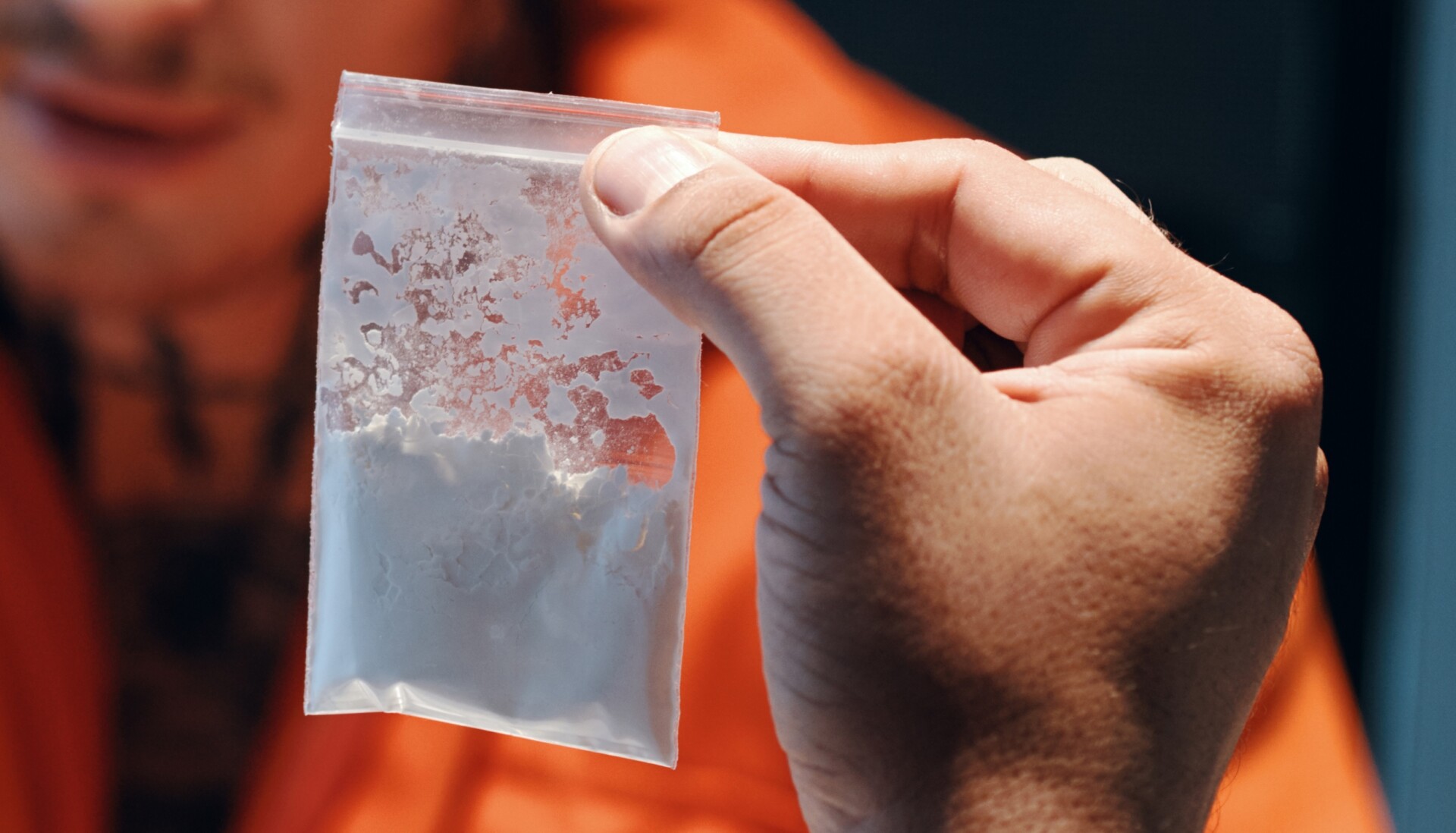
The latest figures on cocaine in the UK tell a story nightlife already knows, even if it often prefers to deal with it quietly. Cocaine is circulating at higher purity levels. It is widely available. Deaths are rising. And the places where people gather to party — clubs, festivals, large-scale events — are part of that reality whether they want to be or not.
An investigation by The Independent reported cocaine samples at 85% purity from Cheltenham Festival. At the same time, cocaine-related deaths in England and Wales reached a record high, with 1,279 deaths recorded in 2024. Beyond the shock value of those numbers, the issue is painfully simple: people are using substances, those substances are changing, and reliable information is still not reaching enough of the people who need it.
Nightlife often deals with drugs through appearance. Searches at the door, dogs, zero-tolerance signs, statements after an incident. These measures create the impression of control. But control has limits. Consumption does not disappear because a venue says it is forbidden. It moves into toilets, corners, afterparties, private flats, or silence. People may still use, but with less information, more fear, and more hesitation when they need help.
That is why harm reduction should be treated as a normal part of running an event, just like medical teams, security, water access or emergency exits. Not as an activist extra added when there is spare budget. Not as a table hidden somewhere to tick a box. It needs to be present, visible, properly trained and able to speak to people without judgement.
Higher purity makes this even more urgent. Someone who thinks they know their limits may be taking something far stronger than expected. Alcohol increases the risks. Heat, exhaustion, dehydration, long weekends and peer pressure can make things escalate quickly. At that point, moral messaging is not much use. What matters is whether people can recognise warning signs, slow down, ask for help, stay with a friend, and find someone trained to respond.
In a club or festival, harm reduction is often very practical. Free water that is easy to access. A calm space where someone can sit down without being treated like a problem. Identifiable teams who know what to do when someone is unwell. Clear information about risky combinations. Messages that are direct without being patronising. And, where possible, drug checking services that give people more information about what they may be taking.
Testing does not make drug use safe. Nothing does. But having no information makes things more dangerous. In an illegal market, there are no labels, no dosage instructions, no reliable list of ingredients. Pretending that ignorance protects people is an illusion that has already cost too much.
Electronic music culture has a particular responsibility here because it understands better than most scenes what nightlife can do to people, in both beautiful and fragile ways. It knows the power of a dancefloor, the heat of a crowd, the release, the bodies staying awake until morning. It also knows how quickly a night can shift when someone is not okay and nobody wants to intervene, because they are afraid of ruining the mood, getting someone kicked out, or drawing attention.
An industry cannot build its economy around intensity and then leave prevention outside the room. Promoters cannot control every decision their audience makes, but they can create conditions that are less dangerous. They can train staff. They can work with harm reduction organisations. They can stop treating prevention as a threat to their image. A party looks far more serious when it protects its crowd than when it pretends nothing happens inside it.
There is also a long-standing hypocrisy around drugs in nightlife: they are treated as a problem when people talk about them, and somehow as less of a problem when everyone stays quiet. In reality, silence often makes things worse. Shame isolates people. Fear delays the moment someone asks for help. Punishment can push people to hide what they have taken, even when that information could be vital for medics.
Harm reduction will not solve everything. It will not erase drug use, accidents or trafficking. But it can prevent tragedies. It can make people less alone. It can give staff better reflexes. It can replace panic with attention.
Festival season always arrives with the same promises: line-ups, stages, aftermovies, unforgettable moments. Public safety should be part of that promise with the same seriousness. Not only through barriers and searches, but through information, care, rest spaces, drug checking, trained teams and a culture where asking for help does not feel dangerous.
Nightlife has never been a perfectly clean, perfectly controlled, perfectly reasonable space. That is partly why it exists. But the more a space is built around letting go, the more it needs intelligent safeguards around it.
Harm reduction is what keeps the party from ending in an emergency room.