

No products in the cart.
The platform now allows selected artists to sell tracks directly from their profiles without paying it a commission. The initiative remains limited, but it raises a much broader question: how many toll gates should artists really have to pass through simply to release their own music?
Article en français.
Releasing music independently can be daunting, but it can also mean multiplying the number of intermediaries involved.
An artist produces a track and may pay for the mixing, mastering and promotion themselves, only to discover that they must also pay a distributor to reach certain stores. The sales platform then takes its cut. A payment processor steps in as well. When the release goes through a label, yet another revenue split is added to the chain.
SoundCloud is now attempting to shorten that chain. Since August 26, around 200 US-based artists subscribed to Artist Pro have been able to turn tracks published on their profiles into paid downloads. They set the price, choose which file buyers will receive and monitor sales from their artist dashboard. Listeners can hear a track, purchase it and download it without being redirected to another store.
The platform says it takes no commission. Taxes and certain fees still apply, while the tool is currently restricted to a selection of US-based Artist Pro accounts. The subscription currently costs $99 per year.
It is not genuinely free: instead of giving up a percentage of every sale, the artist pays to access a wider package of services.
Bandcamp has played a major role in bringing music purchases back into the relationship between artists and their audiences. The platform provides a straightforward storefront, allows artists to set their own prices and makes the act of supporting them particularly clear. However, it still retains 15% of digital sales until an artist reaches the threshold for a reduced rate, before payment processing fees are added. On Beatport, producers cannot upload a track for sale directly: they still have to go through a label or a distributor approved by the platform.
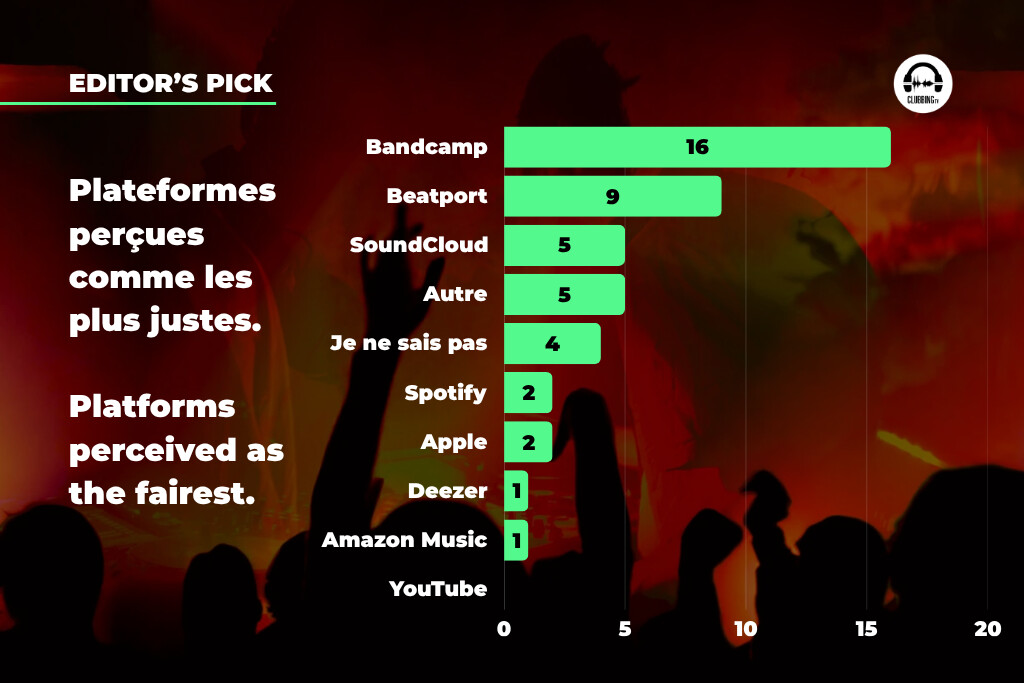
For electronic music producers, selling files is not simply an exercise in nostalgia. DJs still buy tracks to play in their sets. A download also represents a clearly identifiable transaction from someone who has decided that a particular track is genuinely worth its price.
SoundCloud also claims that more than 250,000 artists have already linked 2.4 million tracks to external stores, generating more than half a million referrals to music retailers every year. The demand therefore existed long before this new tool was introduced. SoundCloud is now bringing onto its own platform a purchasing journey that it previously organised for the benefit of third parties.
The initiative may also appeal to artists who no longer want to go through a label automatically. A label that can finance a project, defend an artistic direction and help music reach the right audience still performs a meaningful role. A deal makes far less sense when the artist is already doing most of the work, yet still gives up a lasting share of their income or rights in exchange for little more than having the release uploaded.
Artists should be able to choose between these two routes. They should sign when the support provided justifies the revenue split, and release independently when they already have the necessary resources. They should be able to pay for a specific service rather than automatically surrendering a share of every sale.
There is still an obvious risk, however: replacing dependence on labels with dependence on a single platform. SoundCloud remains an intermediary even when it takes no commission. It hosts the music, controls access to the feature and determines the eligibility requirements. The recent history of Nina Protocol also shows that even the most generous tools do not always survive. The independent platform allowed artists to sell music directly and retain their revenue, before shutting down because it could not find a sustainable business model and was subsequently acquired by SoundCloud.
Meaningful progress will therefore not come from a single company presenting itself as the solution. It will require several competing services, clearly disclosed fees and the ability for artists to retain their catalogues, contacts and data when moving from one platform to another.
SoundCloud has opened a useful door. It remains to be seen how many artists will actually be able to walk through it, what the announced fees will cover and whether the zero-commission model will survive beyond the beta phase. A healthier industry would allow every artist to choose their partners and pay them for the work they genuinely provide, without turning every stage of a release into another deduction.