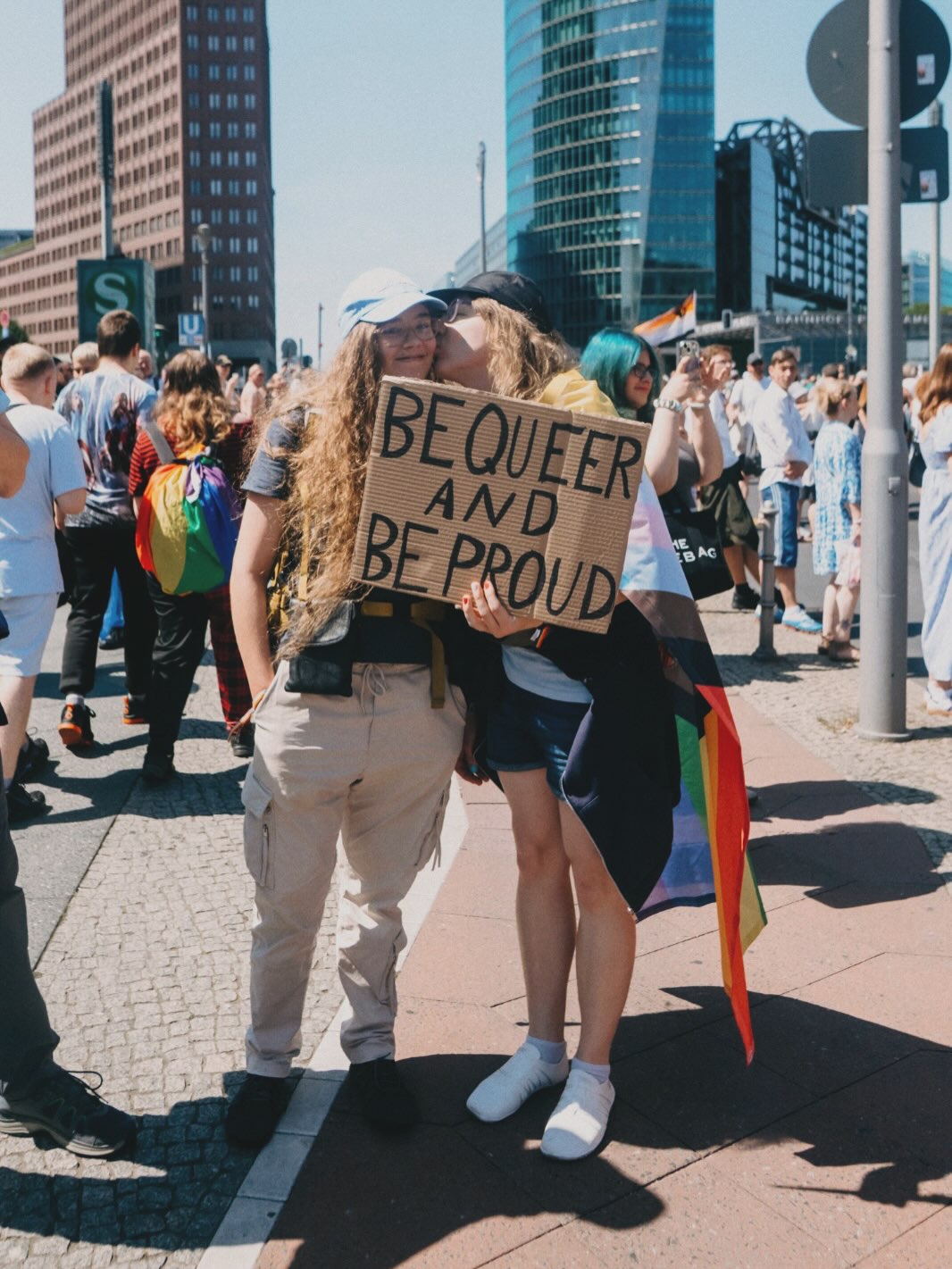
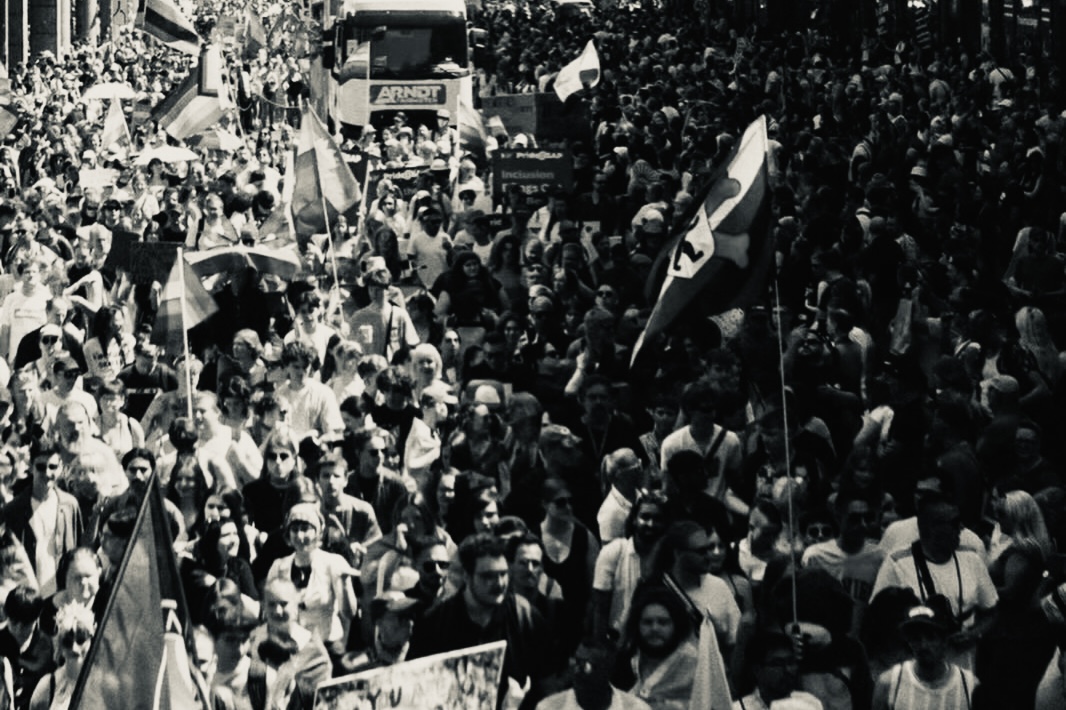
Attacking a Pride also means attacking a cultural heritage that dancefloors helped build.
In the same way that war attacks the integrity and humanity of each and every one of us, today we are also in mourning
Last Saturday, during the Pride march that took place in Berlin, a tragic event happened. A few hours earlier, in the city of every freedom, everyone was dancing. Then the sound of sirens replaced the music. A white van drove into the crowd. According to the German authorities, the driver then continued his attack with a bladed weapon, believed to have been a machete. One woman was killed, and at least twenty-nine people were injured, several of them seriously. The suspect, 21 years old, known to the intelligence services for his radicalisation, was later located and shot dead by the police following a large-scale operation.
These are the facts you already know. But what do they mean symbolically?
That we must never think our most fundamental rights are guaranteed forever. In a single moment, everything can collapse: the time, the struggle, the tears and the blood that have already been shed simply to finally find a place in society. In a single moment, we remember why we must never stop. Obscurantism is not only somewhere else, it is everywhere.
So that we do not forget them, and also to pay tribute to them in our own way, we thought it was important to tell this story. The story of the struggles, but also the story of the dancefloors.
Because before becoming a popular celebration, Pride is a legacy.
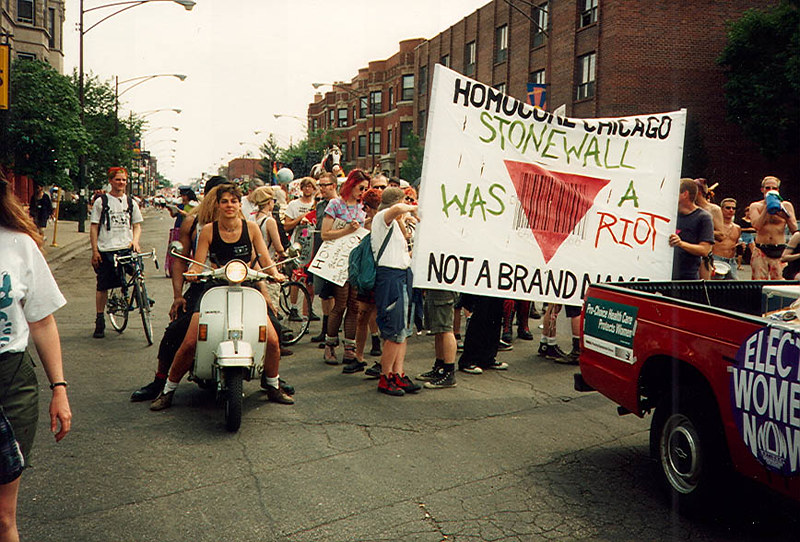
Pride marches trace their origins back to the Stonewall Riots, which took place during the night of June 28, 1969, in New York City. That night, the customers of the Stonewall Inn, a bar frequented by the LGBTQIA+ community, refused for the first time to endure yet another police raid. For several days, anger became resistance. One year later, alongside the Gay Liberation Front (GLF), the first Pride was born as a political demonstration intended to demand the simple right to exist.
This detail is not insignificant. Stonewall was a bar. It was a place of celebration, a refuge for society’s outcasts. The night had everything to do with the history of these struggles because it carried within it years of shame, of having to hide in order to be yourself, to love, to celebrate. Stonewall was only a bar, but what it created was freedom to celebrate.
Flavia Rando, a member of the GLF, told Radio France:
“We also planned dance parties, free from the Mafia. It was a huge step forward for us. For the first time, we weren’t going to be policed while we were having fun! Some Mafia men still tried to discourage us. They were afraid the bars would lose money… Who wanted to be in a place where there were lesbians? I can’t tell you the level of disrespect, there is simply no way to express it. Armed men came to the door, but we were not discouraged, and you know, when women stand up against men, men are so shocked! Around 200 or 300 women came to the dance party, including Susan Sontag. We had a wonderful time, and that was the beginning… Afterwards, alongside the GLF, we formed another collective, the Radicalesbians, and we organised dance parties, poetry readings, theatre productions, art installations, as well as marches and demonstrations. We never stopped!”
The history of LGBTQIA+ rights was also written through culture and through the night.
Loving could lead to arrest, losing your job or being rejected by your family. Bars, clubs and dancefloors often represented the only places where it was possible to be yourself. People came there to breathe, and they always came back. It was therefore only natural that the music of society’s outsiders became deeply connected to them, as it too was a great outsider at the time.
Disco first, then house in Chicago, techno in Detroit, and later the first European raves did not come out of nowhere, out of a cultural vacuum. They were born in places where minorities gathered: gay people, Black people, Latinos and transgender people. Music became a common language; this time there was no longer any need to be someone else. The struggles of Black Americans and queer communities then began to converge, both united through dance music.
Didier Lestrade, journalist, co-founder of Act Up and one of the first French journalists to write about house music, also recalls in this interview:
“The foundation is clubbing because gays, like Black people, find it easier to exist in society at night. The club is a place where people have very powerful experiences, not only discovering music but also meeting people and experiencing love stories.”
He adds a sentence that has a particular resonance with today’s events:
“Techno has become completely assimilated into gay culture; you can see it in Pride. House is a musical phenomenon that arrived alongside AIDS and accompanied it. The arrival of AIDS in France and the rise of house music happened in the very same year: 1987. People realised they were suffering from this disease at the same time as they were discovering a new kind of music… and a new drug that makes you forget what you have, just as house music makes you forget what you have. House was there to comfort homosexuals when they were truly under attack. Dancing was a way to free yourself, for one night, from the problems you could have during the day.”
This memory exists in Paris.
Places such as Le Queen, Le Gibus, Le Palace and Le Pulp welcomed entire generations who were not only looking for a place to party, but above all for freedom. These places shaped part of French electronic culture. They also shaped lives. Today, festivals bring together hundreds of thousands of people, DJs fill stadiums, and electronic music has become a global culture. It is a victory. But let us not forget that in every club where we are able to dance, on every street where we have celebrated Pride : in Berlin, in New York, some people no longer can, and in some countries, even today, some people never will.
The Berlin attack is a brutal slap in the face. It reminds us that this memory and these struggles remain fragile.
There will rightly be investigations, security measures and condemnations. But we must also continue telling this story. The story of electronic music. Remember Stonewall. Remember the clubs. Remember that house, techno and the dancefloors stood alongside those who, for decades, had nowhere to go, but also nowhere they could simply be.
Protecting a community means ensuring its safety, but it also means preserving its memory.